Water and Sun at 11,000 Feet
At 11,000 feet, a Colorado ride can feel cool enough for a jacket while the sun beats down and dry air quietly increases fluid loss. It’s easy to finish a scenic stretch near Taylor Park or the San Juans with a headache, chapped lips, or a sunburn you didn’t notice developing. This guide explains how to plan water, sun protection, and sensible breaks for a high-country ATV or UTV ride.
Why high-altitude rides make water and sun harder to manage
Cool air can hide dehydration
A chilly breeze and cloud cover can make a mountain ride feel less demanding than a hot day at lower elevation. But riding still involves physical effort: you may be walking around to spot a route, climbing in and out of a machine, handling gear, or helping with a recovery. Dry air can also make you less aware of how much moisture you’re losing through breathing and perspiration.
The machine itself can add to the distraction. Drivers concentrate on ruts, switchbacks, and other trail users; passengers may be busy taking photos. Hours can pass without anyone checking whether the group has had a drink. By the time thirst feels obvious, it’s worth stopping to reassess rather than treating a quick sip as the whole plan.
There isn’t one water target that suits every rider or every trip. Needs vary with exertion, weather, clothing, health, and time on the trail. Instead of relying on a rigid number, plan access to water throughout the ride, drink regularly, and notice how each person is feeling. If you’re preparing for elevation for the first time, review [Altitude Sickness on a Riding Trip] and consider how a longer, more remote route could affect your group.
Sun exposure adds up even when it’s cold
Mountain weather can change quickly, but a drop in temperature doesn’t make sun protection unnecessary. Exposed skin can receive substantial sunlight during a long ride, especially when you’re above treeline or crossing open terrain. A helmet and riding clothes cover some areas, but the face, ears, neck, and backs of hands may still be exposed.
Dust, wind, and cool air can make early sunburn harder to notice. Riders often realize the problem later, after returning to camp or town, when their cheeks feel hot and their lips are sore. Apply broad-spectrum sunscreen to exposed skin before setting out, and bring it along for reapplication according to the product directions. A lip balm with sun protection, sunglasses or goggles with appropriate UV protection, and a brim or neck covering that works with your helmet can help cover commonly missed spots.
Don’t let a sunny forecast settle the question. A mountain day can shift from bright skies to cloud, wind, or rain, so pack protection for both sun and changing weather. For seasonal context and planning considerations, see [Colorado's High-Altitude Riding Season].
Plan water and sun protection before leaving the trailhead
Match supplies to the route and the group
Start with the day’s actual plan: how long you expect to be out, where you’ll stop, whether the route has exposed sections, and how far you’ll be from help or a reliable refill. A short loop close to a staging area is different from a long pass ride with limited options to turn back. Build in extra water and sun protection for delays, a wrong turn, a breakdown, or a slower-than-expected group.
Think about everyone riding, not just the driver. Children, passengers, and anyone with a health condition may have different needs or may be less likely to speak up when they’re uncomfortable. Ask the group to bring enough personal water, then carry a shared reserve where it can be reached without unloading the whole machine. Use containers that seal securely and can be checked at a glance.
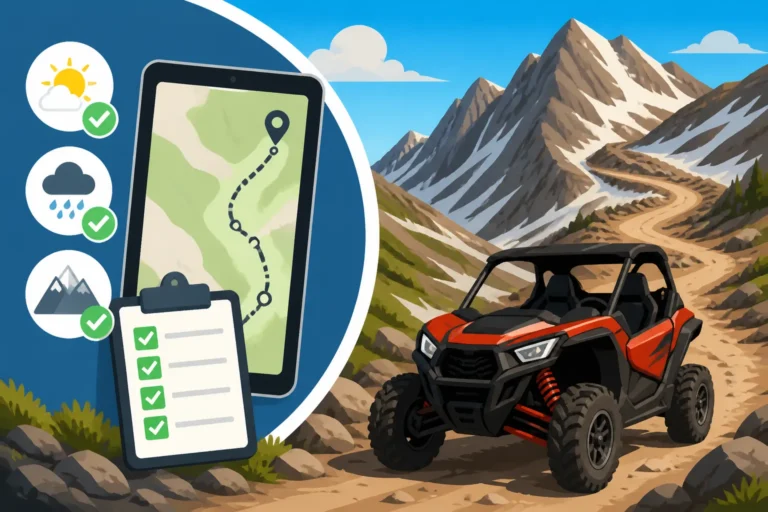
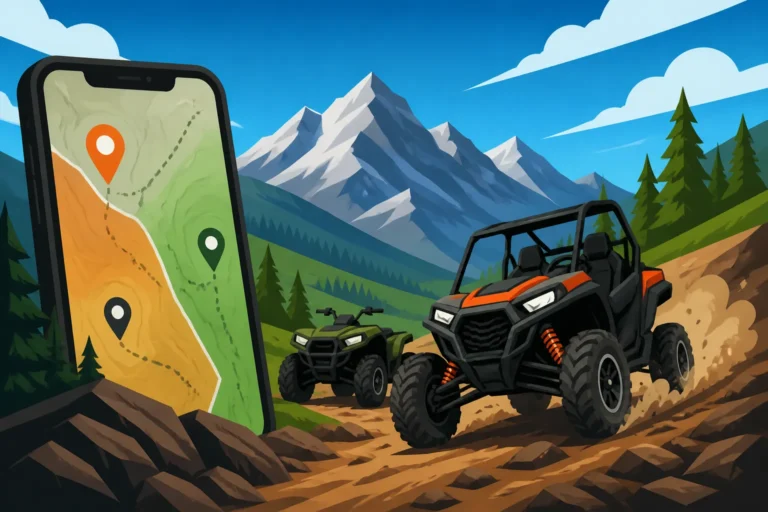
A route-planning tool such as onX Offroad can help you review your intended route and identify where you may want to pause or turn around. Check the map and other available route information before you leave, and keep an offline option or paper backup for places without service. A map can help with orientation, but it doesn’t tell you that a trail is open, that water is safe to drink, or that conditions haven’t changed. Pair it with [Colorado Trail Conditions Reports] and [What to Carry Over a High Pass].
| Ride situation | Water and sun plan | What to watch for |
|---|---|---|
| Short ride near a staging area | Carry water for each rider and a small reserve; apply sun protection before leaving | Riders may still become absorbed in the route and forget to drink |
| Long, exposed pass ride | Carry more than the expected need, plan drink breaks, and pack sunscreen and protective clothing | Delays, wind, and changing weather can extend time outdoors |
| Family ride with children | Give each person accessible water and schedule regular check-ins | Children may not notice or communicate thirst or fatigue promptly |
| Remote route with uncertain return time | Use a conservative plan, carry reserve supplies, and tell someone your route and expected return | A mechanical issue or route change can turn a day ride into a much longer outing |
Make a check-in routine before the ride gets busy
Agree on a simple routine while everyone is still at the trailhead. For example, make water and comfort checks at planned stops, after a demanding climb, and whenever the group pauses to regroup. Drivers should stop safely before reaching for supplies. Passengers can help keep track of bottles and remind the group to check in, but nobody should have to wait for a scheduled break if they feel unwell.
At each stop, ask specific questions instead of relying on “Everyone good?” Check whether anyone has a headache, nausea, unusual fatigue, dizziness, or a burning face. Make sure people can reach their water and sunscreen without shifting unsecured gear. If someone is struggling, don’t treat the schedule or the summit as more important than their condition. Turn back, rest, or seek help as appropriate.
A brief plan also prevents the group from depending on a single person’s memory. Decide who carries the shared reserve, who has the map, and who will contact someone if the group is overdue. Cell coverage can be unreliable in mountain terrain, so read [Cell Service on Colorado Mountain Trails] and include a communication backup suitable for your trip. For more remote riding, [First Aid Far From a Trailhead] can help you think through what to prepare beyond water and sunscreen.
Manage exposure and hydration while riding
Take breaks that work with the terrain
A break is useful only if it’s safe and practical. Choose a stable, permitted stopping place away from traffic, blind corners, and fragile vegetation. Avoid blocking the trail or creating a hazard for riders coming the other way. Once stopped, drink, check on the group, and look at the sky and surrounding terrain before deciding whether to continue.
Use shade when it’s available, but don’t assume it will be. A high ridge or open pass may offer little shelter, so clothing becomes part of the sun plan. Lightweight long sleeves, gloves, and a neck covering can reduce exposed skin while also helping protect against wind and dust. Keep layers easy to reach: when riders are cold, they may stay bundled up and forget that exposed skin still needs protection.
If the weather turns, adjust the plan rather than pushing on simply because the group has already traveled a long way. Wind, rain, or a sudden temperature drop can make a stop uncomfortable, while bright conditions can make a long exposed section more demanding. Check the route and seasonal information before setting out, including [Checking Snowpack Before a Colorado Trip]. For a broader checklist, see [Planning a Colorado Riding Trip].
Notice symptoms and respond early
Thirst, a dry mouth, headache, unusual tiredness, and lightheadedness are reasons to pause and check how someone is doing. These signs can have more than one cause, including exertion, heat, altitude, or an illness, so don’t assume that water alone will fix the problem. Let the person rest somewhere safe, offer water if they’re alert and able to drink, and reassess rather than immediately restarting the ride.
More serious symptoms deserve urgent attention. Confusion, fainting, severe or worsening shortness of breath, trouble walking normally, or a person who is difficult to wake should not be brushed off as ordinary fatigue. Move the group to safety, seek emergency help, and follow the guidance of qualified responders. Don’t leave an impaired rider alone or continue deeper into remote terrain in the hope that the issue will pass.
Sunburn also deserves attention beyond discomfort. Get the affected person out of direct sun, avoid further exposure, and seek medical guidance for severe blistering, significant swelling, fever, or signs of a serious reaction. When symptoms are concerning, the ride is over for that person. Setting a conservative turnaround point and sharing the route plan before departure can make it easier to act quickly; onX Offroad may help the group stay oriented when used alongside an offline backup and current route information.
Build a practical high-country checklist
Pack supplies where riders can reach them
A well-stocked machine is not much help if the water is buried under luggage or the sunscreen is back at the truck. Keep personal bottles within reach, secure shared supplies against bouncing, and check that closures are tight. On a dusty ride, a bottle that opens or leaks can leave someone without a usable drink just when they need it.
Before departure, do a quick check of the group and the gear. Confirm each rider has water, sun protection, suitable layers, and a way to communicate a problem. Make sure the planned route, expected return time, and backup plan are known to someone who is not on the ride. If you’re relying on onX Offroad for route awareness, prepare the map before losing service and carry a separate backup rather than assuming a phone will always work.
A simple checklist can reduce the end-of-day realization that the sunscreen is still in the glove box or that one passenger came without water.
- Water for every rider, plus a shared reserve suited to the route.
- Sunscreen and sun-protective lip balm, used according to their directions.
- UV-protective eyewear and clothing that covers exposed skin.
- Warm and weather-resistant layers for changing mountain conditions.
- A first-aid kit and any personal medication the group needs.
- A route plan, offline navigation option, and backup communication plan.
- A turnaround time and a person on land who knows when to expect you.
Adjust the plan rather than forcing the day
The best plan is flexible. If the group is drinking more than expected, the weather is worsening, someone feels unwell, or the ride is taking longer than planned, reconsider the destination. Turning around early can feel disappointing, especially when the pass or viewpoint is close, but it’s a sensible decision when supplies or conditions no longer match the plan.
This is particularly important when one rider is less experienced or when the group includes children. Don’t let the fastest or most confident person set the pace for everyone. Build in enough time for breaks and the return trip, and make it clear that anyone can call for a pause without being teased or pressured to continue.
A comfortable high-country ride is rarely about carrying the most gear or completing the longest route. It’s about matching the day to the group, staying alert to changing conditions, and having enough flexibility to make a safer choice. Carry water where it’s accessible, protect skin even when the air feels cool, and treat concerning symptoms as a reason to stop and reassess.
Disclaimer
This article is for general informational purposes only and does not constitute professional advice. Laws, prices and regulations vary by location and change over time. Consult a qualified professional for guidance on your specific situation.