Do You Carry Paperwork on the Trail?
We've all been there: out on a beautiful Colorado trail, enjoying the crisp mountain air and the thrill of the ride, when a thought suddenly pops into your head – "Did I remember to grab all my papers?" It's easy to get caught up in packing your gear, checking tire pressure, and making sure everyone has enough snacks and water. But forgetting your essential off-highway vehicle (OHV) documents can quickly turn a fantastic day into a frustrating, and potentially costly, encounter with law enforcement. This guide will walk you through exactly what paperwork you should carry when riding your ATV or UTV on Colorado's public lands, why it's so important, and the best ways to keep it safe and accessible.
The "Why" Behind Carrying Paperwork on Colorado Trails
It might seem like a small detail in the grand scheme of an epic trail ride, but having your paperwork in order is about more than just avoiding a hassle. It’s about fulfilling your legal obligations as a responsible rider and ensuring smooth sailing should any situation arise, from a routine check to an unforeseen emergency.
The Immediate Need for Proof of Registration
Colorado Parks and Wildlife (CPW) is serious about OHV registration. If you're riding on public land, whether it's a designated trail in a National Forest or an open riding area on BLM land, your machine needs to be registered. This isn't just a suggestion; it's the law. The registration system funds the very trails and programs that we all enjoy, so it's a crucial part of maintaining our riding opportunities.
When a ranger or law enforcement officer stops you, one of the first things they'll ask for is proof that your machine is properly registered. While your [Colorado OHV Sticker Placement on a Dirt Bike] or the sticker on your side-by-side might be visible, they often want to see the physical registration card that matches. This card contains important details like your name, address, and the machine's VIN, verifying that the sticker actually belongs to that specific OHV and to you. Without it, you could face a citation and ruin your day. Imagine being halfway up Engineer Pass only to be turned around for a missing card!
Identifying Your Machine and Yourself
Beyond registration, your paperwork serves a vital role in identifying both you and your off-highway vehicle. Think of it as your machine's birth certificate and your own ID rolled into one convenient packet. The Vehicle Identification Number (VIN) on your registration card or title is a unique identifier, like a fingerprint for your ATV or UTV. If your machine is ever stolen, having easy access to the VIN on your paperwork can be absolutely critical for reporting it to authorities and, hopefully, recovering it. It's also how you can verify that the machine you're riding is indeed yours, especially if you're borrowing a friend's OHV or if there's any confusion about ownership.
For your own identification, carrying a valid driver's license or state ID is a no-brainer. This proves who you are to law enforcement and is often a requirement for operating any motorized vehicle, even off-road. In the event of an accident or medical emergency, your personal identification becomes even more crucial for first responders, helping them determine who you are, contact your loved ones, and access any necessary medical information. Don't underestimate the peace of mind that comes from knowing you're prepared for any scenario.
Legal Compliance and Avoiding Fines
Let’s be honest, nobody wants a fine. Colorado has specific rules about OHV operation, and carrying the correct paperwork is a fundamental part of complying with those regulations. [Penalties for an Unregistered OHV in Colorado] can be significant, ranging from monetary fines to more serious consequences, especially if combined with other violations. A ranger isn't typically out there trying to ruin your day, but they are enforcing the rules designed to keep everyone safe and preserve our public lands.
By carrying your current registration card, proof of ownership, and personal ID, you demonstrate your commitment to responsible riding. It shows that you've done your due diligence and are ready to cooperate if stopped. Trying to explain why you don't have your paperwork, or promising you'll "get it next time," usually doesn't fly with law enforcement. Be prepared, and you'll keep your money in your pocket and your record clean. It's a small effort that prevents a major headache.
What Paperwork Do You Actually Need?
Okay, so we've established why it's important. Now, let's get down to the nitty-gritty: exactly what documents should you have tucked away before you hit the trailhead? This isn't just a grab-bag of every paper you own; there are specific items that are legally required and others that are highly recommended for your safety and peace of mind.
Your Colorado OHV Registration Sticker and Card
The absolute bedrock of your trail paperwork is your current Colorado OHV registration. You’ll have a visible sticker on your machine, but equally important is the physical registration card. This card is issued by Colorado Parks and Wildlife (CPW) and contains all the critical details: your name, address, the machine's make, model, and year, and most importantly, its VIN.
While the sticker shows you're registered, the card is the official proof that confirms the sticker belongs to your specific machine and you as the owner or operator. Think of it like your driver's license and vehicle registration for a car – you wouldn't drive without both. Make sure the card is current. Colorado's OHV registration year runs [Colorado's OHV Registration Year Runs April to March], so double-check those dates before you head out. Losing or damaging this card can be frustrating, but thankfully, [Replacing a Lost Colorado OHV Registration] is possible through CPW.
Proof of Ownership: Bill of Sale or Title
While your registration card proves the machine is registered for use on public lands, it doesn't always prove ownership. For that, you'll want to carry either your official Colorado OHV title or a bill of sale. A title is the legal document proving ownership, especially for machines that are titled through the Department of Revenue. However, many older ATVs or dirt bikes, or machines bought in states without titling requirements, might only have a bill of sale as [Proof of Ownership for a Colorado OHV].
If you've recently bought your machine, especially through a private sale, a [Colorado ATV Bill of Sale Template] or a simple bill of sale can be crucial. This document establishes the transfer of ownership from the previous owner to you. This is particularly important if you encounter a situation where the machine's ownership is questioned, or if you need to prove you legally acquired it. Keep a copy, even a dated one, especially if you're waiting for a new title to be processed. While not always required to be carried on your person, having this accessible in your trailer or vehicle can save a lot of grief. Many riders keep a copy of their bill of sale tucked away in their riding pack, just in case. Platforms like LawDepot offer templates that can help you create a robust bill of sale.
Personal Identification and Emergency Contacts
Beyond your machine's paperwork, your personal identification is paramount. A valid driver's license or state-issued ID card is a must. This verifies your identity to law enforcement and confirms you are legally allowed to operate an OHV (assuming you meet age and supervision requirements if you're a younger rider).
Even more critical, though often overlooked, is a list of emergency contacts and any pertinent medical information. Imagine a scenario where you've had a fall, and you're disoriented or unconscious. A small card with your name, a couple of emergency phone numbers, and details about allergies or chronic medical conditions (like diabetes or severe allergies) can be a lifesaver for first responders. It’s a simple addition to your riding kit that can have profound implications for your safety and well-being. Many riders use a small, waterproof card or even a specific app on their phone for this, but a physical copy is always a good idea, especially in areas with no cell service.
Here's a quick reference table for what to carry:
| Document Type | Why You Need It | Where to Keep It (Primary) | Backup/Digital Option? |
|---|---|---|---|
| Colorado OHV Reg Card | Legal proof of current registration; matches VIN. | Waterproof pouch in riding pack | Photo on phone (backup only) |
| Driver's License/ID | Personal identification, proof of legal riding age/status. | Wallet/ID pocket | Photo on phone (backup only) |
| Proof of Ownership | (Title or Bill of Sale) Confirms legal ownership. | Securely in tow vehicle or at home | Photo on phone/cloud storage |
| Emergency Contacts | Critical for medical emergencies. | Waterproof card in riding pack | Phone contacts/medical ID |
| Medical Info | Allergies, conditions, medications. | Waterproof card in riding pack | Phone medical ID |
How to Safely Carry Your Documents on the Trail
You've gathered all the right papers – fantastic! But stuffing them into a ziplock bag and tossing it in a dusty glove box is probably not the best long-term strategy. Mountain environments are notoriously tough on anything made of paper, and you want these vital documents to be in pristine condition when you need them most.
Protecting Against the Elements
Colorado's trails can be dusty, muddy, wet, and often unpredictable. Paper and electronics don't stand a chance against a sudden downpour, a splash through a creek, or even just the constant vibration and dust. This is why proper protection is non-negotiable.
Invest in high-quality waterproof document holders or dry bags specifically designed for outdoor use. Many outdoor gear stores sell small, rugged pouches that are perfect for IDs, credit cards, and your OHV registration card. These often have roll-top closures or watertight zippers that seal out moisture and fine dust. Another excellent option is to laminate copies of your essential documents. While you shouldn't laminate your original title, a laminated copy of your registration card and bill of sale (if applicable) can withstand a lot of abuse. For your physical ID and registration card, a clear, heavy-duty plastic sleeve or a small Pelican-style micro case can offer superior protection, ensuring that when a ranger asks for your papers, they're not presented with a soggy, illegible mess.
Secure Storage Locations on Your Machine
Where you store your protected documents on your ATV or UTV is just as important as how you protect them. You want them accessible, but also secure enough not to bounce out on a bumpy trail or be easily stolen.
For ATVs, popular spots include a small, waterproof bag attached to the handlebars (often called a goggle bag), a tank bag, or a designated compartment within a rear storage box. Some machines have small, built-in dry compartments under the seat or in the front rack area. For side-by-sides, the glove box is a common choice, but ensure it's truly secure and that your documents are within an additional waterproof layer. Many UTVs also have under-seat storage or larger cargo boxes in the bed that can house a small, organized document kit. Whatever location you choose, make sure it’s one you can access quickly without having to unload half your gear, but also one that isn't openly exposed to theft if you step away from your machine for a moment. Consider a location that's also relatively protected from impacts in case of a rollover.
Digital Copies as a Backup, But Not a Replacement
In this digital age, it's tempting to rely solely on your smartphone. Snapping photos of your registration, title, and ID and keeping them on your phone is a fantastic backup strategy. It's quick, convenient, and gives you a fighting chance if your physical documents are lost or damaged. You can even store them in cloud storage or email them to yourself for an extra layer of redundancy.
However, a digital copy should never be your only form of proof. There are several reasons for this: cell service is notoriously spotty in many of Colorado's remote mountain riding areas; phone batteries die; and a ranger or law enforcement officer may require you to present physical documents. Showing a photo on your phone might be accepted in some situations, but it's not universally guaranteed. Always carry the originals or certified copies of your most critical documents – especially your OHV registration card and personal ID. Use your digital copies as a secondary safety net, not your primary method of compliance. [Do You Carry Paperwork on the Trail?] is a question often answered with a mix of physical and digital foresight.
Scenarios Where Paperwork Becomes Crucial
Knowing what to carry and how to protect it is excellent, but understanding the specific situations where these documents really come into play drives home their importance. From routine checks to unforeseen emergencies, your preparedness can make all the difference.
Encountering a Ranger or Law Enforcement
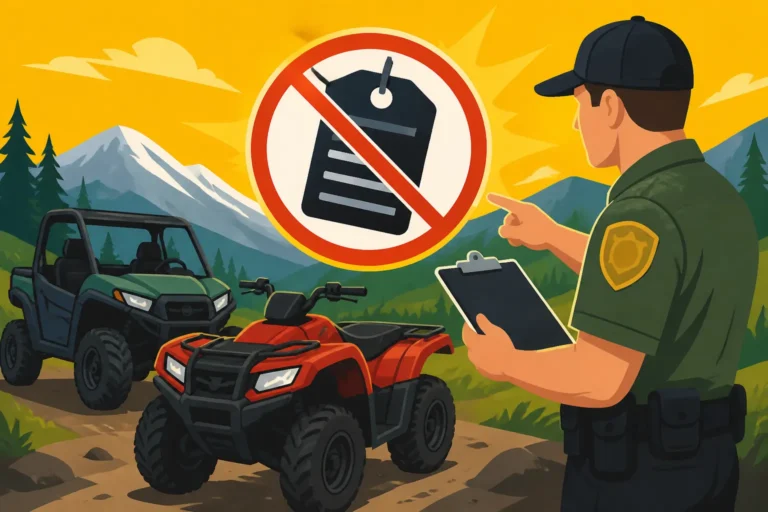
This is probably the most common scenario where your paperwork will be requested. Colorado Parks and Wildlife rangers, Forest Service law enforcement, and county sheriffs regularly patrol OHV trails and staging areas. Their job is to ensure everyone is riding safely and legally. When you're stopped, they'll typically ask for your personal identification (driver's license or state ID), and your Colorado OHV registration card. They'll also check your machine for the visible OHV sticker, ensuring it's properly placed and current, referencing [Where the Colorado OHV Sticker Goes].
Having these documents immediately accessible and in order allows for a quick, polite interaction. You hand over the requested items, they verify them, and you're usually on your way in minutes. If you're missing documents, or they're illegible, this brief stop can quickly escalate into a more extended conversation, potential delays, and even a citation. It's far better to be prepared and make a good impression as a responsible rider.
In Case of an Accident or Incident
Nobody ever plans for an accident, but they happen. Whether it's a minor fender-bender with another rider, a single-machine rollover, or something more serious, your paperwork becomes absolutely vital. If another party is involved, you'll need to exchange identification and potentially insurance information, much like a car accident. While [Colorado ATV Insurance and When It Is Required] is not always mandatory for liability on public land, many riders carry it, and having policy details on hand can simplify things immensely.
For any incident, especially those involving injury, first responders will need your personal identification and any medical information you carry. This helps them identify you, contact your emergency contacts, and provide appropriate medical care without delay. Documenting details of the incident, including who was involved, what machines were present, and any witnesses, is also made easier when you have your own identification readily available. This is also where your proof of ownership (title or bill of sale from a source like LawDepot) could become important for insurance claims or damage assessments.
When Selling or Transferring Your OHV
While you're not usually selling your OHV on the trail, having proof of ownership documents readily available can be incredibly helpful even in trail-related scenarios, or simply for future transactions. Let's say you're meeting a potential buyer for your machine at a popular staging area. Having the actual title or a clean, signed bill of sale available (along with the current registration card) shows you are the legitimate owner and that the machine is registered. This transparency builds trust and can expedite the sale process.
For any transfer of ownership, whether a sale or even gifting your machine, proper documentation is key to avoid future headaches for both parties. [ATV Bill of Sale Wording That Holds Up] ensures that the transaction is legally sound. Without clear proof of ownership, transferring registration or titling the machine in the new owner's name can become a bureaucratic nightmare. Even if you're just parting out an old quad for cash, demonstrating clear ownership can protect you from accusations of selling stolen parts. Being organized with your original ownership documents, even if stored securely at home, is part of responsible OHV stewardship.
Disclaimer
This article is for general informational purposes only and does not constitute professional advice. Laws, prices and regulations vary by location and change over time. Consult a qualified professional for guidance on your specific situation.