Overheating on a Colorado Climb
There’s nothing quite like the incredible views and challenging trails of Colorado’s high country, is there? But if you've ever found yourself crawling up a steep mountain pass, watching your temperature gauge creep into the red, you know that heart-stopping moment of dread. It's frustrating when your trusted ATV or UTV suddenly can't handle the heat. This guide is here to help you understand why your machine struggles on those Colorado climbs and, more importantly, what you can do to prevent it from overheating and leaving you stranded.
Why Your Machine Struggles Up a Colorado Pass
Riding in Colorado is an experience unlike any other, but it comes with unique challenges for your machine. Those breathtaking climbs that push your limits also push your ATV or UTV's engine and cooling system to their absolute maximum. It’s not just one thing that causes overheating; it’s a perfect storm of environmental factors and mechanical stress.
The Thin Air Effect on Engine Performance
One of the biggest culprits when you're gaining elevation is the thin air. Up at 10,000, 11,000, or even 12,000 feet, there's simply less oxygen available for your engine to breathe. For every 1,000 feet of elevation gain, an engine can lose roughly 3% of its power. So, when you're way up there, your machine could be down 20-30% of its normal sea-level horsepower.
What does this mean for overheating? Well, with less oxygen, the combustion process isn't as efficient. Your engine has to work much harder to produce the power needed to climb those steep grades. This increased effort generates a lot more heat. Plus, the cooling system relies on ambient air to dissipate heat, and thin air is less effective at carrying that heat away. It's a double whammy: more heat produced, less efficient cooling. This is why proper [Altitude and Carburetor Tuning] or EFI adjustments are so crucial for high-country riding. Even modern fuel-injected machines, while adapting better than carbureted ones, can still benefit from performance tuners designed for high-altitude operation, especially if you're pushing them hard.
Steep Grades and Constant Load
Imagine trying to sprint uphill with a heavy backpack versus jogging on flat ground. That’s what your OHV experiences on a Colorado mountain pass. The sustained, steep grades demand constant, high-torque output from your engine. You’re often in a lower gear, revving higher for longer periods, without the benefit of cooling airflow that comes with faster speeds on flat trails.
This constant load puts immense stress not just on the engine, but also on the transmission, clutch, and entire drivetrain. The fluids within these components also generate heat, which can transfer to the engine block and further challenge the primary cooling system. If you've ever tackled a climb like Engineer Pass or Cinnamon Pass, you know these aren't short, burst efforts; they are miles of relentless uphill battles. Without proper preparation, that continuous grind can quickly lead your temperature gauge into the danger zone.
Factors Beyond Altitude and Grade
While thin air and steep climbs are major players, several other factors can conspire to overheat your machine.
- Slow Speeds and Heavy Loads: When you're picking your way through a rocky section or traversing a narrow shelf road, your speed often drops significantly. Less airflow over the radiator means less cooling, even though the engine is still working hard. Adding passengers and all your gear for a multi-day trip compounds this problem, making the engine strain even more.
- Maintenance Neglect: A cooling system is only as good as its weakest link. A radiator caked with mud and debris from previous rides can block crucial airflow. Low coolant levels, a weak radiator cap that can't hold pressure, a failing water pump, or a stretched/slipping fan belt can drastically reduce your system’s efficiency. Old, degraded coolant also loses its ability to transfer heat effectively.
- Aggressive Riding Style: While it's fun to push your machine, consistently running at redline or lugging the engine in too high a gear can generate excessive heat. Finding that balance between power and mechanical sympathy is key, especially on long, arduous climbs. Remember that a good [Pre-Purchase Inspection at Altitude] can help catch these underlying issues before you hit the trail.
Proactive Steps to Prevent Overheating
The key to enjoying Colorado's incredible high-country trails without the stress of an overheating machine is preparation. A little proactive maintenance and some smart riding strategies can make a world of difference.
Cooling System Maintenance is Key
Think of your cooling system as your engine’s life support on those hot climbs. Neglecting it is asking for trouble. Before any major trip, especially one involving significant altitude gains, give your cooling system a thorough once-over.
Start by checking your coolant levels. Is it topped off to the correct mark? Look at the condition of the coolant itself – is it bright and clean, or rusty and murky? Old coolant loses its anti-corrosion properties and its ability to transfer heat efficiently, so regular flushing and replacement according to your manufacturer's schedule is vital. Also, make sure you're using the correct type of coolant for your machine; mixing different types can cause problems. Next, inspect all hoses for cracks, bulges, or leaks, and ensure all clamps are secure. Give your radiator a good look. Is it packed with mud, leaves, or grass? Even a thin layer of grime can severely restrict airflow. Use a soft brush and low-pressure water (never a high-pressure washer directly on the fins!) to clean it thoroughly. Don't forget to check your radiator cap – a weak cap won't hold pressure, leading to premature boiling and fluid loss. A properly functioning cooling fan is also non-negotiable; ensure it kicks on when the engine gets warm and that its blades are clear of obstructions. This is especially true for [Turbo Machines at Colorado Altitude], which generate even more heat.
Optimizing Your Machine for High Altitudes
Beyond basic maintenance, you can optimize your machine for the specific demands of Colorado's elevation. For carbureted ATVs, re-jetting is almost always necessary to compensate for the thinner air. Running too rich at altitude can cause performance issues and excessive carbon buildup, while too lean can lead to dangerous engine temperatures.
For modern fuel-injected UTVs and ATVs, while they adapt automatically, a performance tuner or EFI re-map can fine-tune the fuel delivery for optimal power and efficiency at higher elevations. This isn't just about more horsepower; it's about making sure your engine isn't working harder than it needs to, which helps reduce heat generation. Clutching is another area for UTVs. Adjusting your primary and secondary clutch weights and springs can help your engine stay in its optimal power band, reducing lugging and improving efficiency on climbs. Aftermarket solutions, like heavier-duty fans or larger radiators from companies like SuperATV, can significantly boost your cooling capacity, providing that extra margin of safety when tackling the toughest Colorado passes.
Smart Riding Practices
Even with a perfectly prepped machine, your riding style plays a huge role.
- Pacing Yourself: Don't try to power up every single climb at full throttle. Listen to your engine, watch your gauges, and allow for breaks, especially on long ascents. Pull over in a safe, shady spot if possible, and let your machine cool down for a few minutes.
- Monitor Gauges: Make it a habit to glance at your temperature gauge regularly, not just when you feel a problem. Early detection is key.
- Gear Selection: Use the appropriate gear. Lugging the engine in too high a gear causes it to strain and build heat. Similarly, constantly bouncing off the rev limiter generates a lot of heat. Find that sweet spot where the engine is working efficiently but not overstressed.
- Manage Your Load: Heavy loads make your engine work harder. Distribute weight evenly and try to avoid unnecessary gear if you know you’re going on a particularly challenging climb. Remember, every pound adds to the burden. When [Planning a Colorado Riding Trip], consider the terrain and pack accordingly.
| Cooling System Checkpoint | Importance | Action Item |
|---|---|---|
| Coolant Level/Condition | Essential for heat transfer | Top off, flush/replace if dirty |
| Radiator Fins | Airflow for cooling | Clean off mud, debris with low pressure |
| Radiator Cap | Holds system pressure | Check for wear, replace if weak |
| Cooling Fan | Draws air at low speed | Verify operation, clean blades |
| Hoses & Clamps | Prevents leaks | Inspect for cracks, tightness |
| Engine Oil Level | Oil helps cool the engine | Check and maintain proper level |
| Belt Tension | Powers water pump/fan | Inspect for wear, proper tension |
What to Do When Your OHV Starts to Overheat
Despite all your best efforts, sometimes an unexpected variable can cause your machine to start running hot. Recognizing the signs and knowing how to react quickly and safely can prevent serious engine damage and keep you from a long walk back to the truck.
Immediate Actions to Take
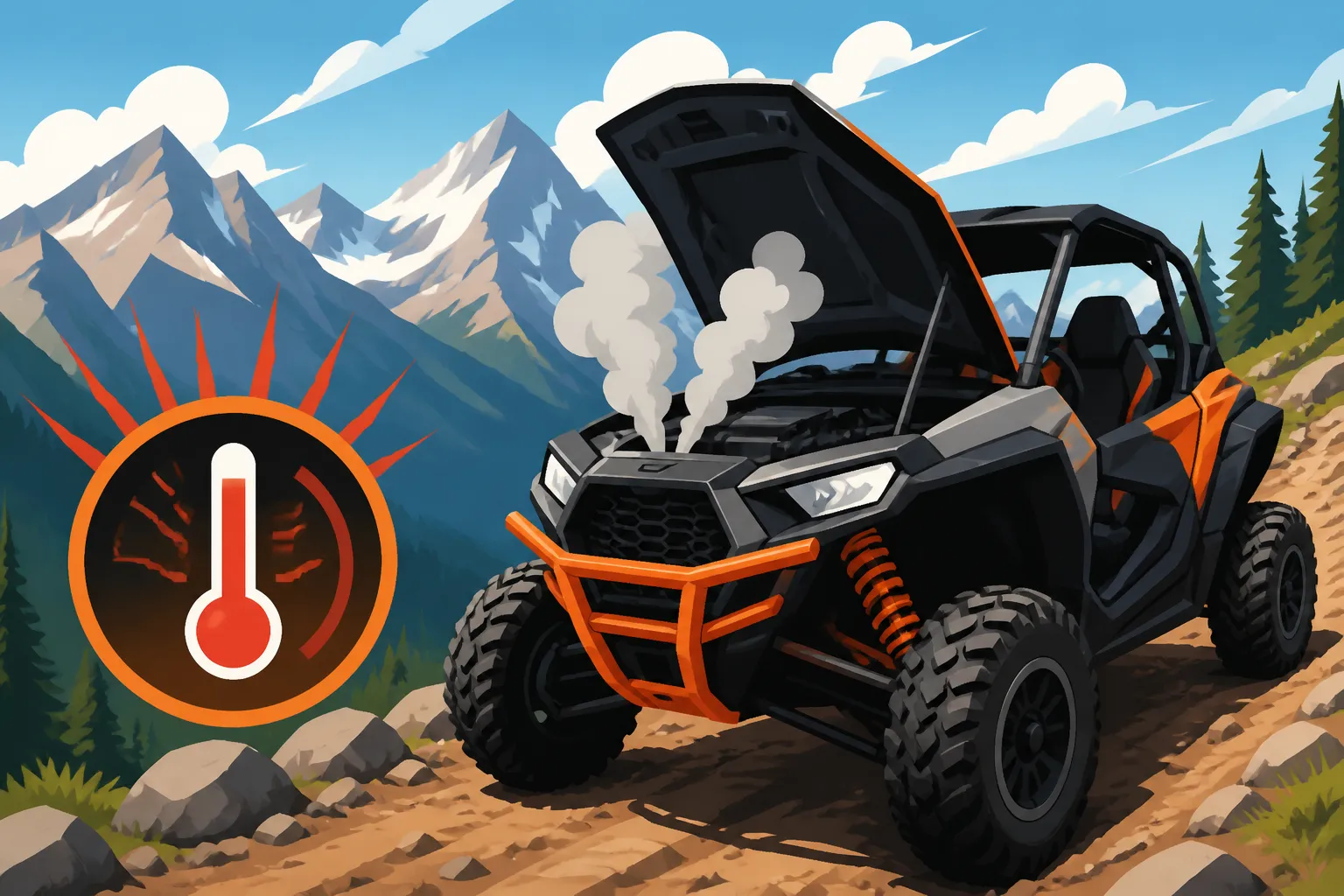
The moment you see that temperature gauge climbing towards the red, or a warning light illuminates, you need to act. First and foremost, find a safe spot to pull over. This might be a challenge on a narrow shelf road, so proceed with extreme caution to the nearest safe pull-out. Once stopped, immediately turn off your engine. Letting it idle while it's already overheating can actually exacerbate the problem by reducing effective airflow compared to moving, and allowing heat to continue building up.
Resist the urge to immediately open the radiator cap! Your cooling system is under pressure, and opening the cap on a hot engine can result in scalding hot coolant erupting out, causing severe burns. Give the machine at least 30-45 minutes, or even longer, to cool down. Go enjoy the scenery (or curse your luck, we’ve all been there!). During this time, you can carefully check for any obvious external issues, like a visibly ruptured hose or a fan that isn't spinning freely. Having [What to Carry Over a High Pass] often includes some basic tools for these situations.
Troubleshooting on the Trail
Once your machine has cooled sufficiently – you should be able to touch the radiator and hoses without pain – you can begin a more thorough assessment. Carefully, and with a rag to protect your hand, slowly twist the radiator cap to release any residual pressure, then remove it. Check the coolant level. If it's low, and you've brought extra coolant (which you absolutely should for any Colorado ride), you can top it off. Don't use plain water unless it's an emergency, as it dilutes the coolant's properties. If you use water, remember to replace it with proper coolant/antifreeze as soon as possible.
Next, visually inspect the radiator fins again. Is there any new debris that could have gotten sucked in? Check the cooling fan. Does it spin freely? If not, check its fuse and relay. Sometimes, a simple bump can dislodge a connection or a branch can jam the fan. Look for any visible leaks around hoses, the water pump, or the radiator itself. If you find a major leak, a trailside repair might be possible with the right patch kit and sealant, but often it signals the end of your ride and a need for professional attention. If the issue seems minor and you've added coolant, you might be able to limp back to civilization, but proceed with extreme caution, monitoring your gauge constantly. If you're on a remote trail with no cell service, knowing where to find [Cell Service on Colorado Mountain Trails] or having a satellite messenger is a lifesaaver, especially if you need to call for [Recovery Gear for a Shelf Road] or even [Mechanics Near Colorado Trailheads].
Avoiding Future Incidents Post-Overheat
An overheating incident is a clear warning sign. Once you're off the trail, don't just put it back in the garage and forget about it. It’s crucial to perform a thorough inspection and address the root cause. This might involve a full cooling system flush, replacing the radiator cap, checking the thermostat, inspecting the water pump, or having a mechanic diagnose any electrical issues with the fan. If you frequently ride in challenging high-altitude conditions, consider upgrading your cooling system components. It's an investment in your machine's longevity and your peace of mind.
Upgrading Your Cooling System for Colorado's Demands
For many riders, especially those who frequently tackle the most challenging Colorado passes, a stock cooling system, while adequate for general use, might not offer the necessary margin of safety. Upgrading your cooling system isn't just about preventing breakdowns; it's about enhancing performance, reliability, and ultimately, your enjoyment on the trail.
Enhanced Radiators and Fan Systems
One of the most effective ways to boost your cooling capacity is to upgrade your radiator. Aftermarket radiators often feature a larger core volume, more fins, or more efficient fin designs, allowing for greater heat dissipation. More surface area means more cooling. Companies like SuperATV offer heavy-duty radiators that are designed to handle the extra demands of hard riding and high altitudes. These aren't just larger; they're often built with stronger materials to withstand the rigors of off-road use.
Pairing an upgraded radiator with a high-performance cooling fan can create a significantly more robust system. Stock fans might struggle to move enough air at slow speeds or in extreme heat. Aftermarket fans are designed to push a greater volume of air, ensuring that even when you're crawling up a steep, rocky incline at low RPMs, your radiator is still getting adequate airflow. Some riders even install manual fan override switches, giving them direct control to engage the fan proactively before temperatures start to climb, which can be particularly useful when you anticipate a tough section.
Auxiliary Cooling Measures
Beyond the primary radiator and fan, there are other ways to augment your machine's heat management.
- Oil Coolers: Engine oil plays a crucial role in cooling, especially in a high-performance or hard-working engine. An auxiliary oil cooler helps keep your engine oil at optimal temperatures, which in turn reduces the overall heat load on your coolant system. Many performance-oriented UTVs come with them stock, but adding one to a machine that lacks it can be a significant upgrade.
- Coolant Additives: There are various coolant additives on the market designed to improve the heat transfer properties of your coolant. These "wetting agents" can reduce surface tension, allowing the coolant to make more efficient contact with hot metal surfaces, thereby drawing off heat more effectively. While not a substitute for proper maintenance or a larger radiator, they can provide a few extra degrees of cooling when combined with other measures.
- Heat Shields and Exhaust Wraps: Sometimes, heat from the exhaust system or other engine components can radiate directly onto sensitive parts, or even into the cab of your UTV. Installing heat shields or wrapping exhaust pipes with thermal insulation can help manage this localized heat, preventing it from contributing to overall engine temperature or causing discomfort in the cockpit. This is a common upgrade for UTVs, particularly if you’re riding in hot weather or tight conditions where airflow is limited.
Long-Term Benefits of a Robust System
Investing in a more robust cooling system for your ATV or UTV pays dividends far beyond just preventing a single overheating incident. First, it significantly increases the reliability of your machine, giving you greater peace of mind when you venture into remote parts of Colorado's backcountry. You'll worry less about breaking down and more about enjoying the stunning scenery. Second, keeping your engine operating within its optimal temperature range prolongs its life. Excessive heat is a major cause of premature engine wear and expensive repairs. By maintaining cooler temperatures, you protect internal components and fluids. Finally, a well-cooled machine performs better. When an engine is running too hot, its power output can decrease, making those challenging climbs even tougher. With an optimized cooling system, your ATV or UTV will deliver consistent power and performance, ensuring you get the most out of every ride.
Disclaimer
This article is for general informational purposes only and does not constitute professional advice. Laws, prices and regulations vary by location and change over time. Consult a qualified professional for guidance on your specific situation.