Open Containers on a Trail Ride
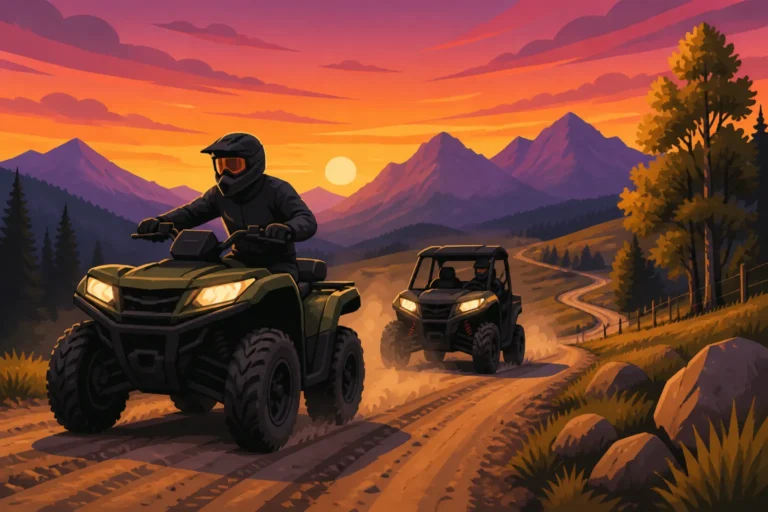
There’s nothing quite like the crisp mountain air and the thrill of exploring Colorado’s incredible backcountry trails on your ATV or UTV. Many of us dream of unwinding at the end of a long day of riding with a refreshing beverage, but the rules around open containers, especially on public lands and roads, can feel like a confusing minefield. This guide will cut through the confusion, explaining Colorado’s laws regarding open alcoholic beverage containers when you’re out on the trails and roads, helping you avoid hefty fines and ensure your adventures stay safe and legal.
Understanding Colorado's Open Container Laws Beyond Paved Roads
When we think of open container laws, our minds often jump straight to cars and highways. But the truth is, these laws extend far beyond the paved ribbons of asphalt, reaching deep into the backcountry where our ATVs and UTVs roam. It’s a common misconception that once you’re off the main road, the rules somehow become more relaxed. In Colorado, that’s simply not the case, and understanding this distinction is crucial for every rider.
What Qualifies as an "Open Container" in Colorado?
Let's start with the basics. In Colorado, an "open container" of alcohol isn't just a half-empty beer can rolling around your floorboard. The law broadly defines it as any bottle, can, or other receptacle containing an alcoholic beverage that is open, has a broken seal, or has had its contents partially removed. This means if you've twisted off the cap, popped the top, or poured some out, it's considered open. This applies whether it's sitting in a cup holder, in a backpack on the seat next to you, or even in a cooler that's easily accessible while the vehicle is in operation. The key here is "accessible while in operation" or "within reach." A sealed six-pack or a bottle of spirits with its tamper-evident seal unbroken, stored in a cooler in the bed of your UTV, is generally fine. But as soon as that seal is broken, the rules kick in. It’s all about preventing immediate consumption by the operator or passengers.
The Specifics for Off-Highway Vehicles OHVs
Now, let’s talk about our beloved OHVs. Colorado law treats OHVs, including ATVs and UTVs, much like any other motor vehicle when it comes to open containers on public roads and trails. This means that if you are operating your machine on designated roads (which can include many county roads, Forest Service roads, and BLM roads where OHVs are permitted) or even some trails, the open container laws apply directly to you and your passengers. It doesn’t matter if it’s a gravel road, a dirt track, or a paved section within a small mountain town like Lake City or Silverton; if it's considered a public road or thoroughfare, the law is in effect. Many riders think that because they're not in a street-legal vehicle, these rules don't pertain to them. That assumption can lead to an uncomfortable conversation with a sheriff or a ranger. Remember, operating an OHV under the influence carries the same serious penalties as a DUI in a car, and having an open container in operation is a step towards that.
Why OHVs Aren't Exempt from These Rules
The rationale behind extending open container laws to OHVs is rooted in public safety and the responsible use of public lands. Colorado’s beautiful trails and roads are shared spaces. You’re not just interacting with other OHV riders; you're sharing those paths with mountain bikers, hikers, equestrians, and even wildlife. Impaired judgment from alcohol consumption can lead to dangerous situations, accidents, and resource damage. Beyond that, allowing open containers could encourage drinking and driving, which increases the risk of serious injury or fatality, not just for the driver but for passengers and other trail users. Lawmakers and land managers want to ensure everyone can enjoy the outdoors safely. These rules also align with broader efforts to protect the delicate ecosystems we ride through, as irresponsible behavior often goes hand-in-hand with littering and trail degradation. It's about maintaining a respectful and safe environment for all. It's also why agencies like Colorado Parks and Wildlife and the Forest Service have a vested interest in enforcing these rules, much like they would with [Colorado OHV Rules on State Highways] or [Colorado Rules on Forest Service Roads].
The Risks and Consequences of Open Containers on Colorado Trails
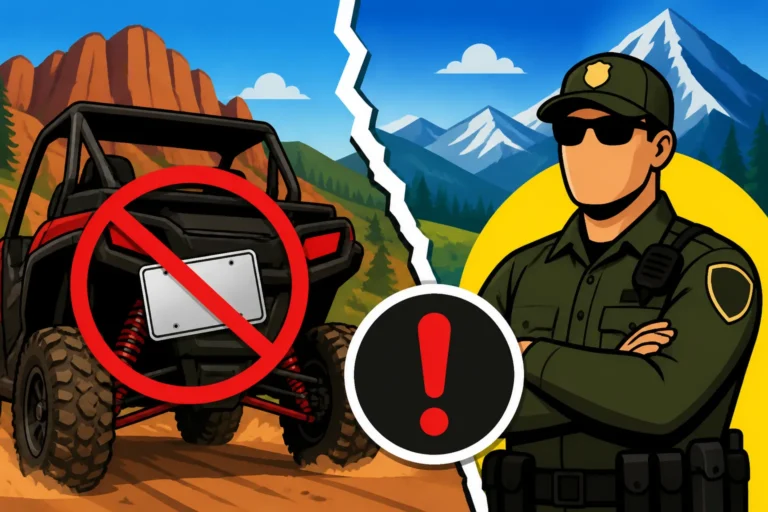
Ignoring Colorado's open container laws while out on your OHV isn't just about bending a minor rule; it carries significant legal and safety ramifications. Many riders underestimate the seriousness of these offenses, thinking that a remote trail ride means they're largely out of sight. However, rangers, sheriffs, and other law enforcement agencies actively patrol these areas, and the consequences for being caught with an open container can quickly put a damper on your adventure and your wallet.
Legal Penalties and Fines You Could Face
Getting caught with an open container in your OHV on a public trail or road in Colorado is typically a class A traffic infraction. While it might not seem as severe as a DUI, it still comes with a financial sting and can certainly escalate if other factors are involved. You could be looking at a fine that can easily run into the hundreds of dollars. Beyond the immediate fine, repeated offenses can lead to more serious consequences. And, importantly, if a ranger or sheriff observes an open container, it might prompt them to look closer at your driving behavior, potentially leading to suspicion of impaired driving. If they determine you're operating your OHV under the influence of alcohol, even a small amount, the penalties jump dramatically to those for a [Colorado Alcohol Limits for OHV Operators], which are equivalent to a standard DUI. This can include hefty fines, loss of driving privileges (even for your regular vehicle), mandatory alcohol education, and even jail time. It's simply not worth the risk.
Safety Concerns and Impaired Riding
Even a single open container can lead to impaired judgment, slower reaction times, and reduced coordination—all critical abilities for safely operating an ATV or UTV on challenging mountain terrain. Colorado's trails are notoriously rugged, with steep ascents, rocky descents, tight turns, and unexpected obstacles. [Riding a Narrow Shelf Road Safely] requires your full attention and quick reflexes. A slight miscalculation, a moment of inattention, or an overconfident decision made under the influence of alcohol can lead to a serious accident. This isn't just a risk to yourself; it endangers any passengers you have, other riders on the trail, and even hikers or campers nearby. Moreover, in remote areas, getting injured can mean hours before help arrives. Medical and rescue services are costly and put rescuers at risk. Responsible riding means always being sober and fully aware of your surroundings, ensuring everyone can enjoy the trails without unnecessary danger.
Impact on Trail Access and Community Perception
The actions of a few can unfortunately impact the privileges of many. When incidents involving alcohol on OHVs occur—whether it's an accident, littering of cans and bottles, or noisy, unruly behavior—it tarnishes the reputation of the entire OHV community. Local communities, land managers, and environmental groups take notice. Negative perceptions can lead to increased restrictions, trail closures, and even bans on OHV access in certain areas. Many of Colorado's trail towns, like Silverton, Ouray, and Lake City, have complex relationships with OHV tourism, balancing economic benefits with resident concerns about noise, dust, and behavior. Incidents involving open containers or impaired riding provide ammunition for those who advocate for tighter regulations or complete bans, as seen in ongoing discussions about [Silverton's Ban on OHVs in Town] or [Ouray and Telluride OHV Town Restrictions]. By adhering to open container laws, we not only protect ourselves but also contribute to a positive image of OHV recreation, helping preserve and expand access to the trails we all love.
Responsible Practices for Enjoying Beverages on Your Ride
It's completely understandable to want to relax and celebrate after a thrilling day of riding Colorado's incredible trails. The key is to do so responsibly and legally. Just because you can't have an open alcoholic beverage while operating your OHV on public land doesn't mean you can't enjoy one at the right time and place. It's all about planning and being mindful of the rules and your surroundings.
Designated Areas and Post-Ride Celebrations
The easiest way to avoid trouble is to save the alcoholic beverages for after your ride is complete and you are safely back at your campsite, lodging, or private property. Many campgrounds offer designated areas where alcohol consumption is permitted. If you're dispersed camping on Forest Service or BLM land, away from established roads and trails, you generally have more leeway to enjoy a drink around your campfire, but always confirm local rules.
| Location Type | Open Container Allowed While Operating? | Recommended Practice |
|---|---|---|
| Public Roads/Trails (OHV) | No | Save alcohol for after the ride, at your destination |
| Private Land (with perm.) | Generally Yes (check local rules) | Still ride sober, keep it contained in designated zones |
| Designated Campground | No (while driving within camp) | Enjoy responsibly at your campsite |
| Dispersed Campsite | No (while driving to/from camp) | Enjoy responsibly at your immediate camp area |
| Trail Town Streets (OHV) | No | Wait until you're at a restaurant or lodging |
Once you've parked your rig for the day, maybe hosed off some of that Colorado mud, and are ready to kick back, that's the time. For those looking for sturdy gear to haul their post-ride refreshments, companies like SuperATV offer robust cargo boxes and coolers that are perfect for keeping those beverages (and food) secure until it's time to enjoy them. Just ensure any alcohol remains sealed and stored away while you're actively riding.
Non-Alcoholic Alternatives for the Trail
For the duration of your ride, especially when tackling challenging terrain or covering long distances, it's far better to stick to non-alcoholic beverages. Water is always king, particularly at Colorado's high altitudes where dehydration is a real concern. Sports drinks, sparkling water, juice, or even non-alcoholic beers (as long as they don't look like regular beers and cause confusion) are excellent choices. Hydration is key to staying alert and preventing altitude sickness, which can sneak up on you even if you're an experienced rider. Pack plenty of fluids, and make sure your cooler is easily accessible for hydration stops. A well-hydrated rider is a safe and happy rider, ready to navigate anything from [Blind Corners on a Colorado Mountain Road] to [Water Crossings on Colorado Trails].
Securing Your Cooler and Supplies Properly
Whether you're carrying alcoholic beverages for later or just non-alcoholic refreshments for the trail, how you store them matters. A cooler full of loose cans and bottles can become a projectile hazard on rough trails. Secure your cooler in the bed of your UTV or on the rack of your ATV using tie-downs or specialized cargo nets. Ensure it won't shift, tip, or bounce out. For specific UTV models, SuperATV offers bed cargo systems and cooler mounts that integrate seamlessly, keeping everything locked down. This isn't just about following the law; it's about safety. An unsecured cooler or a loose bottle can be a serious distraction or even cause injury in the event of a sudden stop or a rollover. Plus, no one wants to lose their precious snacks or, worse, have glass bottles shatter on the trail, creating a hazard for others and the environment. Take the time to properly stow everything before you hit the trail – your future self, and your trail mates, will thank you.
When and Where Alcohol is Permitted (and Not Permitted) on OHV Trips
Navigating the rules around alcohol consumption can feel like a labyrinth, especially when you're combining it with OHV use. It's not a blanket ban everywhere, but rather a patchwork of regulations depending on whether you're on private or public land, in a designated camping area, or within the boundaries of a specific mountain town. Understanding these distinctions is crucial for a legal and enjoyable trip.
Private Land Versus Public Land Rules
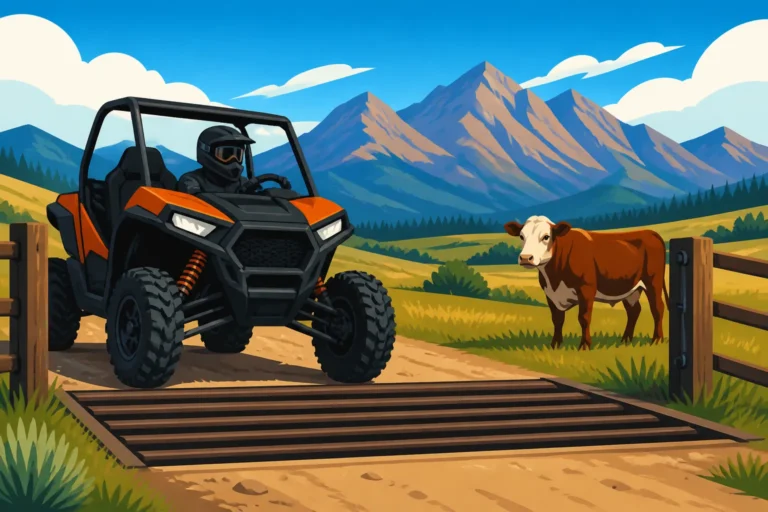
The biggest differentiator for alcohol rules is ownership. On private land, if you have permission from the landowner, you generally have more freedom regarding alcohol consumption. The property owner sets the rules. This means if you're riding on a friend's ranch or your own acreage, the open container laws for public roads and trails typically don't apply. However, even on private land, common sense and safety should prevail. Operating an OHV while intoxicated is inherently dangerous, regardless of where you are.
On public lands, which include national forests, BLM land, state parks, and county roads, the rules become much stricter. These areas are managed by various agencies (Forest Service, BLM, Colorado Parks and Wildlife) and are subject to state and sometimes local ordinances. As discussed, open container laws apply when operating an OHV on any public road or designated motorized trail. So, while you might be able to enjoy a beer at your dispersed campsite, driving your UTV to the trailhead with an open can in the cup holder is a definite no-go. Riders often forget that [Riding Only on Your Own Colorado Land] comes with different freedoms than public access.
Campground and Dispersed Camping Scenarios
Camping adds another layer of nuance. In developed campgrounds (like those in national forests or state parks), alcohol is typically permitted at your individual campsite, as long as consumption is discreet and doesn't disturb other campers. However, driving your OHV within the campground with an open container is usually prohibited, as campground roads are often considered public access roads. Always check the specific campground rules, as some might have complete alcohol bans, especially during peak seasons or for special events.
For dispersed camping on public lands, you generally have more flexibility regarding alcohol consumption at your campsite. You're usually off-grid and away from immediate public view. However, the critical distinction remains: alcohol must not be consumed while operating your OHV, nor should there be any open containers in your machine while you are driving it to or from your dispersed site. This means setting up camp, getting parked, and then opening that beverage. Remember that Forest Service and BLM rules can vary, so always look for posted regulations in the specific area you're visiting. Many riders make their camp a home-away-from-home, even outfitting their UTVs with SuperATV accessories like storage racks to make the setup process smoother and more organized.
Local Ordinances in Colorado's Mountain Towns
Colorado's picturesque mountain towns are often the gateways to our favorite riding areas, but they also have their own sets of rules. While many towns have embraced OHV tourism and opened certain streets to OHVs (check out [Colorado Towns That Let OHVs Use Their Streets]), they almost universally maintain strict open container laws. You cannot cruise down Main Street in Silverton or Lake City with an open beer, even if your UTV is otherwise legally allowed on those roads. These town ordinances are often even stricter than state law, and local law enforcement is very vigilant about maintaining public order. The same applies if you’re pulling your OHV trailer through a town; open containers in the tow vehicle are still illegal. When you're in town, the general rule of thumb is to treat your OHV like any other vehicle on the road – meaning no open containers. If you want to enjoy a drink, visit one of the local establishments or wait until you are back at your private lodging. Being aware of these local rules is essential for a harmonious visit, and for preventing issues like a [The $300 Fine for Riding Into Silverton] or other unwanted attention from local authorities.
Disclaimer
This article is for general informational purposes only and does not constitute professional advice. Laws, prices and regulations vary by location and change over time. Consult a qualified professional for guidance on your specific situation.