Rules at a Paved Highway Crossing
It can be incredibly frustrating to be out on a fantastic Colorado trail, enjoying the freedom of your ATV or UTV, only to find that your path is suddenly blocked by a paved state highway. You know you can't just drive down it like a car, but you also need to get to the next section of trail. This guide is all about navigating those tricky paved highway crossings safely and legally, ensuring your adventure doesn't hit a roadblock – or worse, a citation.
The 'Why' Behind the Rules: Understanding the Paved Road Block
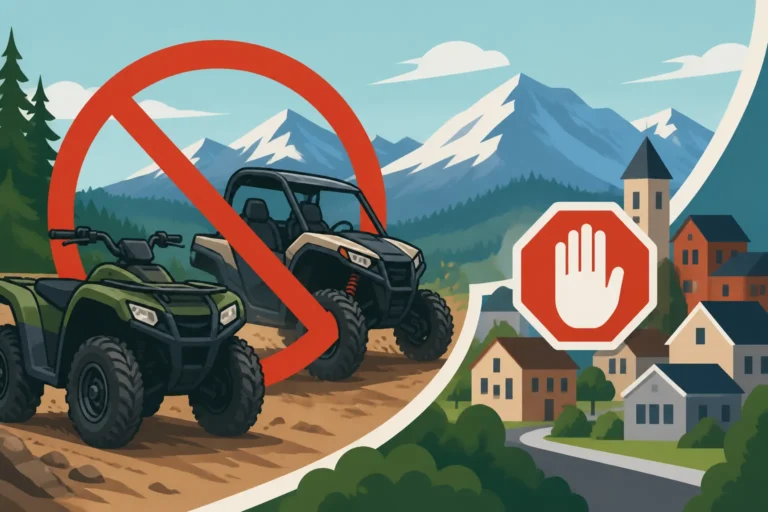
Before we dive into the "how-to," it's really helpful to understand why these rules exist in the first place. You've got this powerful machine, often capable of highway speeds, so why can't you just buzz across? The core issue boils down to fundamental differences in vehicle classification and safety. In Colorado, ATVs and UTVs are generally classified as off-highway vehicles, designed and regulated for unpaved terrain. They often lack the specific safety features, emissions controls, and roadworthiness certification required for street-legal vehicles. This isn't just bureaucratic red tape; it's about protecting both OHV operators and the general motoring public.
Think about it from the perspective of a driver in a regular car on a busy highway. They're not expecting a side-by-side to suddenly appear and travel down the shoulder. OHVs, especially quads, can be harder to see, might not have turn signals, and can behave differently than standard vehicles on pavement. The state highway system is managed by the Colorado Department of Transportation (CDOT) with specific regulations for traffic flow and safety that prioritize traditional motor vehicles. The rules around OHV crossing are designed to minimize risk at these interface points, which are inherently hazardous. This is also why you'll often hear the question, [Why Colorado Will Not Plate Your UTV], because the state makes a clear distinction between off-road and on-road machines.
Local municipalities and counties might have ordinances that allow OHVs on certain county roads, or even within some town limits for access to trails or services, but these permissions rarely extend to major paved state or federal highways. These are distinct situations. A county road might be a low-speed gravel route, but a state highway is a different beast entirely, with higher speeds and much greater traffic volume. It's not about prohibiting your fun; it's about channeling it to the appropriate places where everyone can stay safe.
The "How-To" of Crossing: Step-by-Step for Colorado OHVs
Alright, so you've reached a paved highway, and the trail continues on the other side. What's the protocol? The golden rule is simple: cross as directly and quickly as possible. You are generally not permitted to travel down the highway, even for a short distance, unless explicitly authorized by a very specific, localized ordinance which is extremely rare for state highways.
Here’s a breakdown of the typical process:
- Identify a Safe Crossing Point: Look for designated crossings if they exist, often marked by signs indicating OHV access. If not, choose a spot with maximum visibility for both yourself and oncoming traffic. Avoid blind corners, hills, or areas where traffic flows very quickly or is heavy. Prioritize safety above all else, even if it means walking a short distance to find a better vantage.
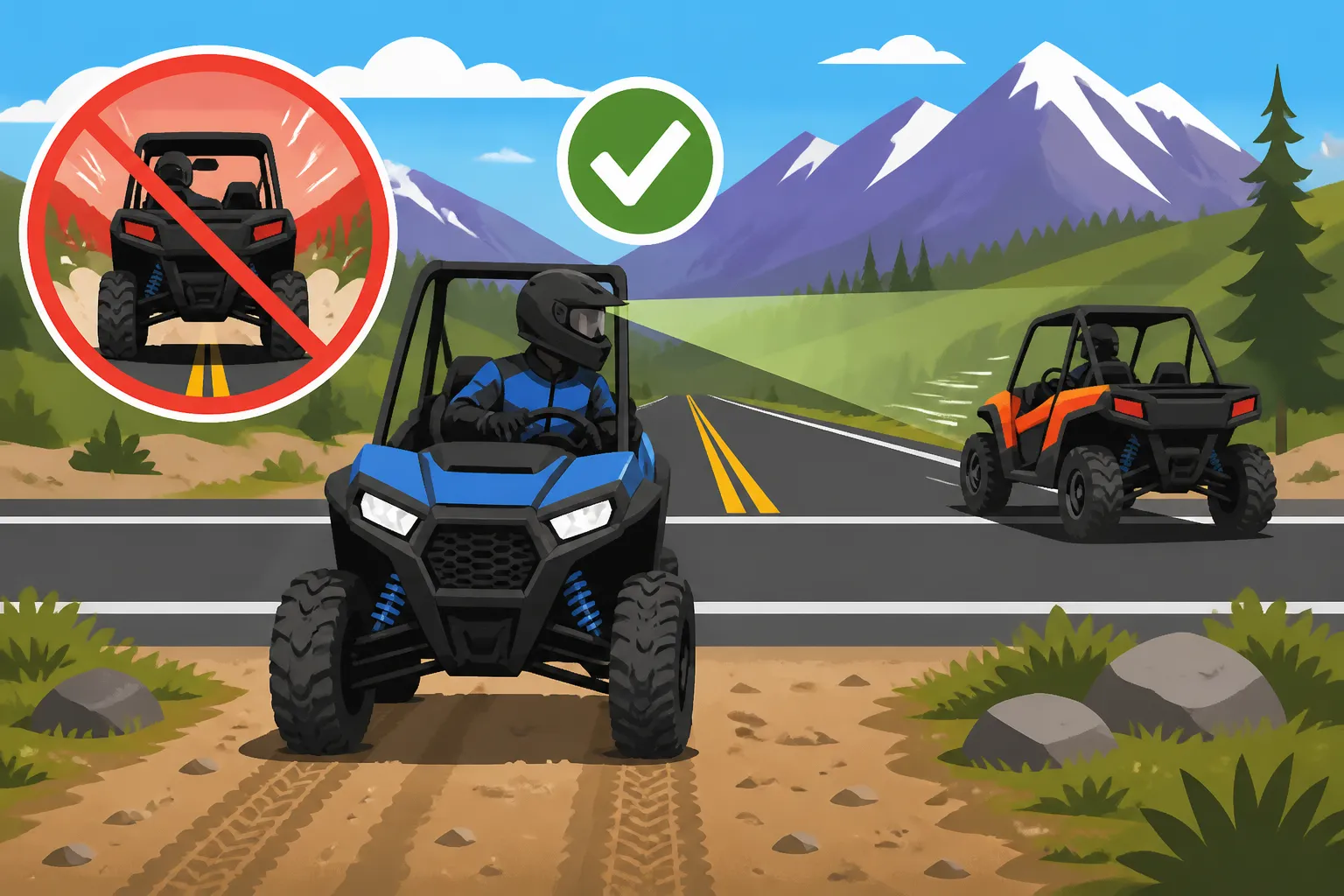
- Stop, Look, and Listen: This isn't just for kids; it's crucial here. Come to a complete stop before entering the paved surface. Look both ways multiple times. Listen for approaching vehicles, especially those that might be obscured. Remember, your OHV is likely much smaller and less visible than a car or truck, so assume you haven't been seen until you make eye contact with a driver. This is a moment where you absolutely need to have all your senses alert.
- Yield to All Traffic: You must yield the right-of-way to all vehicles on the highway. Do not attempt to cross if there is any doubt about your ability to do so safely without interfering with traffic flow. Patience is key here. Waiting for a completely clear window is always the smartest move.
- Signal Your Intent (If Possible): If your UTV has turn signals, use them. If you're on an ATV, use hand signals to indicate your direction of travel. Make your intentions clear to any approaching drivers. Even if you only travel 20 feet, communication is vital.
- Cross Directly and Quickly: Once the path is clear, proceed straight across the highway to the continuation of the trail or the safe shoulder on the other side. Do not weave, perform stunts, or loiter on the pavement. The goal is to minimize your time on the highway.
- Rejoin the Trail: Once you've safely crossed, immediately move off the paved surface and back onto the designated trail.
It’s important to distinguish between simply crossing a state highway and situations where local ordinances might allow limited OHV use on certain county roads or within specific towns. For example, some mountain towns have very clear [Colorado Counties With OHV Road Ordinances] that allow UTVs on their streets to access trails or services. However, even in those areas, the rules for crossing a state highway typically remain stricter, often prohibiting any significant travel along the highway itself. Always double-check local signage and ordinances before assuming you have permission to do more than a direct crossing.
What to Watch Out For: Common Mistakes and Citations
Crossing a paved highway might seem like a minor thing, but it's one of the most common areas where OHV riders can run into trouble with law enforcement. The consequences can range from a significant fine to even more serious legal issues.
Here are some common mistakes riders make and why they can lead to citations:
- Lingering or Traveling on the Highway: This is probably the number one mistake. Riders often think "just a quarter-mile to the next trailhead" is acceptable. It's generally not. Unless there's a specific, signed exemption (which, again, is rare for state highways), you should only cross, not travel on the pavement. If a Colorado Parks and Wildlife (CPW) ranger or a local sheriff sees you traveling along a state highway, even a short distance, they will likely issue a citation for illegal road riding. These [Colorado Fines for Illegal Road Riding] can add up quickly and ruin a great day on the trails.
- Ignoring Traffic and Right-of-Way: The assumption that cars "should" see you or slow down for you is dangerous and incorrect. As an OHV operator, you are responsible for yielding to all highway traffic. Failing to do so can result in a crash, or at minimum, a ticket for impeding traffic or reckless operation.
- Lack of Proper Safety Gear or Vehicle Equipment: While Colorado doesn't have a statewide helmet law for adults on OHVs, riders under 18 must wear one, and eye protection is generally recommended for everyone. More critically for road interactions, if your OHV lacks basic safety features that improve visibility, such as [Headlights and Taillights on a Road Ride], or even a whip flag, you could be seen as an additional hazard. Some riders upgrade their machines with enhanced lighting or mirrors from brands like SuperATV to improve visibility, which is a smart move even for trail riding, let alone crossing pavement.
- Riding Without Registration: Your OHV needs to be registered with Colorado Parks and Wildlife, even if you're only riding it on private land or briefly crossing a public road. A ranger at a [Colorado Ranger Checks at a Trailhead] will often ask for this. While crossing a highway, you're on public property, and an unregistered machine can lead to a [Penalties for an Unregistered OHV in Colorado]. Make sure your current sticker is properly displayed. Check out [Colorado OHV Registration Explained] for more details.
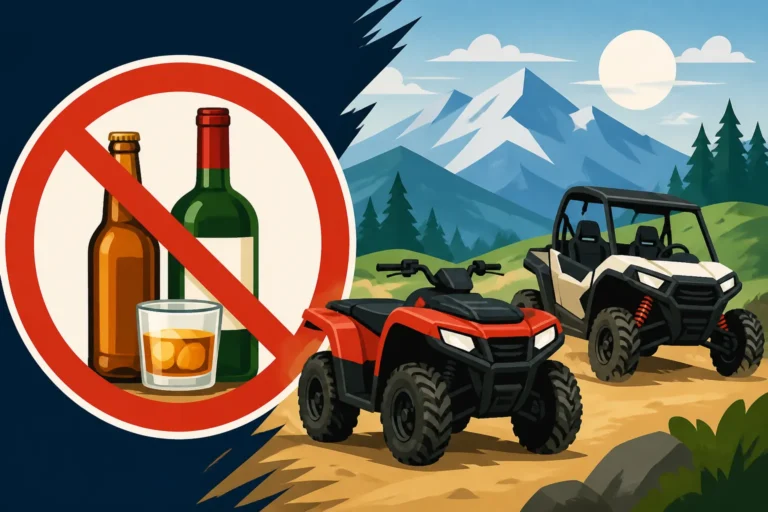
- Operating Under the Influence: This is a big one. Just like operating a car, operating an OHV under the influence of alcohol or drugs is illegal and incredibly dangerous. Even if you're just crossing a highway, a DUI on an OHV carries severe penalties, similar to those for a regular vehicle. Always be aware of [Colorado Alcohol Limits for OHV Operators].
It might seem like a lot of rules for a few seconds of crossing, but these regulations are in place to prevent serious accidents. Ignorance of the law is not a defense, and a simple lapse in judgment can turn a fun ride into a legal headache.
Gear Up and Drive Smart: Equipment and Best Practices
When it comes to safely navigating paved highway crossings, a little preparation and smart decision-making go a long way. Beyond knowing the rules, having the right setup and a good mindset can make all the difference.
Enhancing Visibility: Be Seen, Be Safe
Visibility is paramount. Your OHV is often smaller and less conspicuous than other vehicles on a paved highway.
- Lights: Ensure your headlights and taillights are functional and clean. If you're riding near dawn or dusk, or in any low-light conditions, having them on is a must. Many riders install brighter LED light bars or auxiliary lighting, like those offered by SuperATV, which can dramatically increase your presence.
- Clothing: Wear bright, high-contrast clothing. Neon colors, reflective strips, and even a simple orange or yellow vest can make you stand out.
- Whip Flags: While not universally required for crossing a highway, a whip flag can greatly improve your visibility, especially in dusty conditions or over rises where only the top of your machine might be seen first.
Essential Documentation and Safety Gear
Before you even leave your staging area, make sure you have everything you need:
- OHV Registration: Carry your current Colorado OHV registration card with you. This is non-negotiable for riding on public lands, which includes road crossings.
- Driver's License: If you're operating an OHV on any public road, even for a crossing, you should have a valid driver's license.
- Helmet and Eye Protection: While not required for adults on trails in Colorado, helmets are mandatory for riders under 18. Eye protection is a smart choice for everyone to shield against dust, debris, and glare, especially when you might briefly encounter higher speeds or disturbed air from passing vehicles.
Route Planning and Mindset
The best way to handle highway crossings is to minimize them, or at least plan for them.
- Pre-Ride Mapping: Always look at a map before your ride. Identify where trails intersect paved highways. Can you find an alternative route that avoids the crossing, or perhaps use a different staging area? Use resources like [Reading a Colorado Motor Vehicle Use Map] to plan your journey effectively.
- Stay Focused: When approaching a highway crossing, shift your mindset from "trail riding fun" to "road safety awareness." Tune out distractions, slow down, and be hyper-vigilant.
- Know Local Rules: Some towns and counties have opened certain roads to OHV traffic, but these are specific and limited. For example, [Colorado Towns That Let OHVs Use Their Streets] will have their own detailed rules. Don't assume that permission to drive on a town street extends to crossing a state highway in the same area. Always look for signage or consult local recreation offices for the most current information.
What Colorado Requires for a Road Ride
Even for a brief crossing, understanding the baseline requirements for any OHV interaction with public roads is helpful. These often include functional headlights, taillights, and [Mufflers and Spark Arresters in Colorado] to control noise and prevent wildfires. Having these in order before your ride ensures you're prepared for any unexpected interactions with rangers or other officials. Remember, the money generated from your OHV registration, as detailed in [Where Colorado OHV Permit Money Goes], helps fund trail maintenance and enforcement, ensuring these rules are followed for everyone's benefit.
By preparing your machine and yourself, you can minimize the risks and keep your Colorado adventures rolling smoothly from one trail section to the next, even when a paved highway briefly interrupts the fun.
| Key Actions for a Paved Highway Crossing | Details | Why It Matters |
|---|---|---|
| Stop Completely | Before entering the paved surface, bring your OHV to a full stop. | Provides time for a thorough visual check and reaction. |
| Look Both Ways | Scan for traffic in all directions multiple times. Don't rely on a quick glance. | Ensures you spot fast-approaching vehicles or those obscured by landscape. |
| Listen Carefully | Turn off your engine or listen intently for engine noise, especially if visibility is limited. | Sound can alert you to traffic before you see it. |
| Yield to All Traffic | You are responsible for giving way to all vehicles on the highway. | Prevents collisions and ensures smooth traffic flow for others. |
| Cross Directly | Aim for a straight path across the highway to the trail on the other side. | Minimizes time spent on the paved surface, reducing exposure to traffic. |
| Proceed Quickly | Once clear, accelerate safely to get across the pavement efficiently. | Reduces the chance of impeding traffic or being caught unexpectedly. |
| Move Off Pavement | Immediately exit the paved highway and rejoin the trail. | Avoids illegal travel on the highway and potential citations. |
| Be Visible | Use lights, wear bright clothing, consider a whip flag. | Makes you easier for drivers to spot, especially at a distance. |
| Have Registration/License | Carry your current Colorado OHV registration and a valid driver's license. | Legal requirement for operating on public lands/roads; avoids fines. |
Disclaimer
This article is for general informational purposes only and does not constitute professional advice. Laws, prices and regulations vary by location and change over time. Consult a qualified professional for guidance on your specific situation.