Colorado Towns That Let OHVs Use Their Streets
It’s a common dream for many of us who love our ATVs and UTVs in Colorado: imagining the ease of riding right from our camp or cabin, through a quaint mountain town, and straight onto the trailhead without ever having to load a trailer. The reality, for most of the state, is that street riding is a no-go, leaving many riders feeling frustrated and restricted. But there's good news! While statewide rules are strict, some forward-thinking Colorado towns and counties have carved out special allowances, creating designated routes for off-highway vehicles on their streets. This guide will dive deep into these unique opportunities, helping you understand where you can ride, what you need to know, and how to make the most of your motorized adventures in these special places.
Understanding Colorado's General Stance on OHVs on Roads
Colorado is known for its incredible outdoor recreation, and that certainly includes off-highway vehicle riding. But when it comes to riding those machines on paved, public roads, the state takes a pretty firm stance. It's a source of frequent confusion and disappointment for riders, especially those visiting from other states where street-legal OHVs might be more common. The key is understanding that, by default, your ATV or UTV isn't meant for main street cruising in most of Colorado.
The Statewide Prohibition and Its Rationale
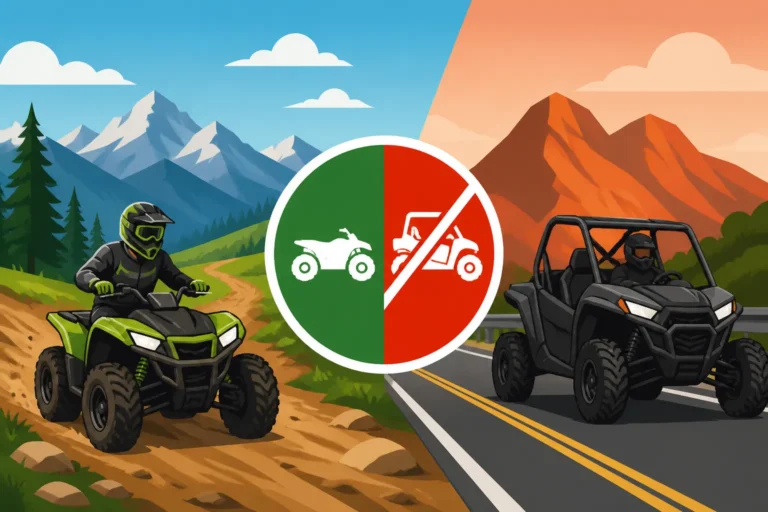
Generally speaking, Colorado law prohibits the operation of off-highway vehicles (OHVs) like ATVs, UTVs, and dirt bikes on public streets, roads, and highways. This isn't just an arbitrary rule; it stems from the fundamental classification of these machines. OHVs are designed for off-road environments – trails, dirt tracks, and rough terrain – not for sharing asphalt with cars, trucks, and motorcycles. The state's Department of Motor Vehicles simply doesn't issue traditional street-legal license plates for these types of vehicles, and for good reason. Safety is a primary concern. OHVs typically lack many of the safety features, like crumple zones, advanced braking systems for high speeds, and fully enclosed cabs, that are standard on vehicles designed for road use. They're often lighter, have different handling characteristics, and aren't as visible in traffic. The state wants to protect both OHV operators and other motorists.
Furthermore, there are issues of wear and tear on paved roads, noise concerns in residential areas, and the general flow of traffic. Imagine a busy street in a mountain town clogged with slower-moving OHVs; it could create bottlenecks and frustration for residents and other visitors. So, while it feels restrictive, the statewide prohibition is rooted in a desire to maintain safety, preserve infrastructure, and manage public spaces effectively. Riders often ask [Why Colorado Will Not Plate Your UTV], and this general prohibition is the core reason.
The Key Exception: Local Ordinances
Despite the general statewide ban, there's a crucial ray of hope for OHV enthusiasts: local control. Colorado law includes specific provisions that allow individual cities, towns, and counties to enact their own ordinances, essentially creating exceptions to the general prohibition within their specific jurisdictions. This means that while you can't ride your UTV on a state highway connecting two towns, or even on many county roads, a specific town might have passed legislation permitting OHV use on its municipal streets. These local ordinances are what make certain Colorado towns "OHV-friendly."
These local decisions are often driven by a combination of factors: a strong local OHV culture, a desire to boost tourism, or an understanding that OHV access can be a vital part of the local economy. The ability to ride through town to a restaurant, a gas station, or directly to a trailhead without having to trailer your machine can significantly enhance a rider's experience. However, these local allowances almost always come with their own set of rules and restrictions, which can vary wildly from one town to the next. It’s never a blanket "anything goes" situation. You'll need to know the specific local rules, as they often require certain equipment or adherence to specific routes.
How Colorado Towns Get Authority to Open Roads
It didn't always used to be this way, where towns could so easily open their streets to OHVs. For many years, riders faced an uphill battle, often confused by conflicting state and local interpretations of vehicle laws. The shift toward more local control is relatively recent and came about through legislative action that recognized the unique needs and desires of Colorado's mountain communities and the significant economic impact of OHV tourism.
The 2021 State Law Enabling Local Access
A significant game-changer for OHV enthusiasts in Colorado was a state law passed in 2021. Before this, the legal framework for local jurisdictions to permit OHV access on public roads was, shall we say, a bit murky and often challenged. The 2021 law explicitly clarified and expanded the authority of local governments – counties and municipalities – to designate roads under their jurisdiction for OHV use. This legislative change was a direct response to the growing demand from communities and riders alike, who saw the potential for responsible OHV integration into town life and trail access.
This law provides a structured pathway for local entities to make these decisions, outlining the conditions and responsibilities that come with opening roads. It requires towns and counties to consider public safety, traffic flow, and environmental impact before enacting an ordinance. It also lays the groundwork for signage, speed limits, and other operational requirements. This state-level legislative push truly empowered towns to take the reins and tailor solutions that fit their unique environments and community values, paving the way for the OHV-friendly towns we see today. You can learn more about this by reading [Colorado's 2021 Law and Out-of-State Registered OHVs], which clarified some of these provisions.
The Process of Adopting an OHV Ordinance
So, how does a town go from a general prohibition to welcoming OHVs on its streets? It's not usually an overnight decision, but rather a deliberate process involving public input, local government review, and careful planning. Typically, the process begins with local residents, business owners, or OHV clubs advocating for access, often highlighting the economic benefits that tourism can bring. The town council or county commissioners then consider drafting an ordinance. This draft will typically define:
- Which roads are open: Not all streets are usually included. Main thoroughfares, roads leading to trailheads, or specific loops might be designated, while residential areas or busy highways are often excluded.
- Operating hours: Some towns might restrict OHV use to certain times of day.
- Required equipment: This is crucial. Towns will often mandate things like headlights, taillights, brake lights, mirrors, turn signals, and a windshield. Many riders install aftermarket accessories from companies like SuperATV to ensure their machines meet these street-legal requirements, adding safety and compliance.
- Speed limits: Often significantly lower than the posted car speed limits.
- Permit requirements: While state OHV permits are generally required for public land riding, some towns might have additional local permitting.
- Enforcement: How local law enforcement will manage compliance.
Before final adoption, there's usually a period of public comment, allowing residents to voice concerns or support. Once adopted, clear signage is essential to inform riders and other motorists about the rules. It's a thoughtful process designed to integrate OHVs safely and effectively into the local community. For a deeper look at this, check out [How a Colorado Town Opens Roads to OHVs].
Specific Colorado Towns That Have Embraced OHV Access
Now for the exciting part! While Colorado isn't universally open to street-legal OHVs, several communities have taken the initiative to welcome riders onto designated routes within their town limits. These towns recognize the economic benefits and the recreational desires of OHV enthusiasts, often serving as crucial hubs for accessing extensive trail systems.
Lake City and Hinsdale County's Pioneering Approach
Lake City is perhaps one of the most celebrated examples of an OHV-friendly town in Colorado, and for good reason. Nestled deep in the San Juan Mountains, it’s a gateway to some of the state's most iconic and challenging trails, including sections of the Alpine Loop. Hinsdale County, where Lake City resides, has been a pioneer in creating a welcoming environment for OHV riders. They understood early on that riders want to easily access services – gas, food, lodging – and connect directly to trails without constant trailering.
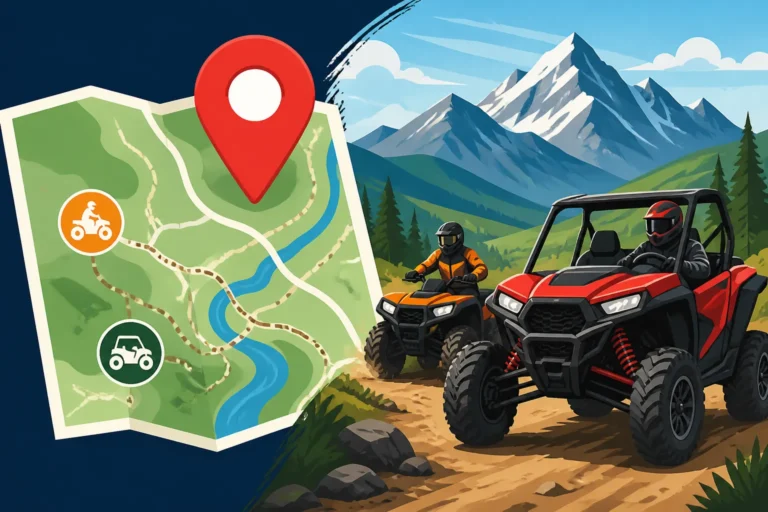
The town of Lake City allows OHVs on many of its municipal streets, primarily to facilitate access to surrounding trails and businesses. This means you can often ride your side-by-side from your campground or rental property directly into town for supplies or a meal. Hinsdale County has also opened numerous county roads to OHVs, further expanding the network. This comprehensive approach by both the town and county has made Lake City a top destination for OHV tourism. When planning your trip, be sure to study the [Lake City and Hinsdale County Road Access] maps and specific ordinances, as even here, some roads might be off-limits, particularly state highways that pass through the area, like the [The Highway 149 OHV Corridor at Lake City] which has its own specific rules and dates for OHV use. The convenience of driving directly to the trailhead from your lodging is a huge draw, and Lake City consistently delivers on that front.
Silverton and San Juan County's Evolving Rules
Silverton, another gem in the San Juan Mountains, has a more complex and evolving relationship with OHVs. For many years, it was a prime example of a town grappling with the balance between welcoming tourism and managing community impact. San Juan County, like Hinsdale, boasts an incredible trail network, with Silverton acting as a central hub for rides like the Alpine Loop and Engineer Pass. However, the town of Silverton itself has experienced significant debate and shifts in its OHV policy.
Historically, Silverton had strict bans on OHV use within its town limits. However, after considerable discussion and a town vote, Silverton did open some of its streets to OHVs, but with very specific and limited access points and routes. This decision was a compromise to allow riders to access gas, food, and lodging, and to connect to the extensive county and Forest Service trail system. It's crucial for riders visiting Silverton to be intimately familiar with the town's specific OHV ordinance and designated routes. There are still roads within Silverton that are off-limits, and fines for violating these rules can be substantial. The situation in Silverton is a classic example of how towns weigh the economic benefits against concerns about noise, dust, and local quality of life. Riders should also be aware of [The $300 Fine for Riding Into Silverton] if they stray from designated routes.
Ouray and Its Unique Position
Ouray, often called "The Switzerland of America," is another popular destination for mountain adventures, sitting at the base of several challenging passes. Its position, however, is a bit more nuanced than Lake City or even Silverton. While Ouray County has many OHV-friendly roads that lead to spectacular trails, the town of Ouray itself has historically maintained tighter restrictions on OHV use within its core downtown area.
Similar to Silverton, Ouray has faced pressure from both residents and the tourism industry regarding OHV access. The town has made some allowances, particularly for accessing lodging and services, and for connecting to the main routes out of town towards the passes. However, strict adherence to designated routes is paramount, and certain main streets or historical districts might remain off-limits to OHVs. The emphasis in Ouray is often on quickly transitioning from town access to trail access, minimizing through-traffic of OHVs in high-pedestrian areas. It's always best to check the latest [Ouray and Telluride OHV Town Restrictions] before your visit, as these rules can be updated. The key in Ouray is precision: know exactly where you can go and where you absolutely cannot.
Kremmling and Grand County's Designated Routes
Moving to a different part of the state, Kremmling in Grand County offers another example of a community that has embraced OHV access. While perhaps not as famous for its immediate "Alpine Loop" style connections as the San Juans, Kremmling is a significant hub for riding in the north-central mountains of Colorado. Grand County has a diverse landscape, offering everything from high-country trails to more open terrain.
Kremmling and Grand County have worked to establish designated OHV routes that allow riders to travel on specific town streets and county roads. This enables easier access to trailheads, local businesses, and lodging. The routes are often clearly marked with signs indicating OHV access, making it simpler for riders to navigate. Grand County's approach often balances recreational access with local agricultural and ranching interests, providing a practical network for OHV users. As with all these areas, riders need to be vigilant about signage and any posted restrictions. For specific details on where you can ride within Kremmling, looking up the [Kremmling OHV Route Signs] and local ordinances is always recommended. This type of designated route system is a sensible way to integrate OHVs into the community without creating widespread disruption.
Rules and Regulations for Riding OHVs on Town Streets
Just because a town allows OHVs on its streets doesn't mean it's a free-for-all. Every OHV-friendly town in Colorado will have a specific set of rules and equipment requirements that you must follow. These regulations are in place for safety, to minimize impact on residents, and to ensure a harmonious environment for everyone. Ignoring them can lead to significant fines and a negative experience for the entire OHV community.
Essential Equipment Requirements for Street Use
When operating your OHV on designated town streets, you'll find that the requirements go beyond just having a valid [Colorado OHV Registration]. Most towns will mandate that your machine is equipped with certain street-legal features, often mirroring what you'd find on a standard street motorcycle or car. These typically include:
- Headlights and Taillights: These must be operational and clearly visible. Some towns might specify that they need to be on at all times, not just at dusk or night.
- Brake Lights: Functioning brake lights are crucial for signaling to other drivers when you're slowing down or stopping.
- Turn Signals: Both front and rear turn signals are usually required to indicate your intentions in traffic. Many riders use aftermarket kits from SuperATV or similar providers to add these, as most stock OHVs don't come with them.
- Horn: A working horn is necessary for signaling in emergencies or to warn others.
- Rearview Mirrors: Typically, at least one, if not two, rearview mirrors are required to give you visibility of traffic behind you.
- Windshield: While not always required on all OHVs, some towns may mandate a windshield or, at the very least, eye protection for the operator and passengers.
- Muffler and Spark Arrester: Your machine must have an adequate muffler to keep noise levels within acceptable limits, and a spark arrester is almost universally required for fire prevention, especially in forested areas leading to trails.
- Tires: Tires must be DOT-approved for street use, which might mean your knobby off-road tires aren't compliant on their own.
It's vital to remember that these are minimum requirements, and checking the specific ordinance of the town you plan to visit is non-negotiable. Don't assume that what works in one town will work in another. Equipping your machine correctly isn't just about avoiding a ticket; it's about ensuring your safety and the safety of others on the road. For specific details, refer to [What Colorado Requires on an OHV Road Ride].
Speed Limits and Roadway Etiquette
When you're riding your OHV on town streets, you are no longer on the open trail. You are sharing the road with pedestrians, bicycles, cars, and sometimes even horses. This means adherence to posted speed limits and practicing excellent roadway etiquette is paramount. Many towns will impose lower speed limits specifically for OHVs, often significantly less than the typical car speed limit. For instance, a main street might be 25 mph for cars, but only 15 mph for OHVs. These limits are in place to reduce noise, dust, and the potential for accidents.
Beyond just speed, consider the following:
- Yield to pedestrians: Always give way to people walking, especially in busy town centers.
- Stay to the right: Ride as far to the right as safely possible, allowing other traffic to pass if necessary.
- Single file: Unless explicitly allowed otherwise, ride in a single file line, not two abreast, to maintain traffic flow.
- Minimize noise: Avoid unnecessary revving of engines. Excessive noise is a primary complaint from residents and can lead to towns rescinding OHV access.
- Dust control: On unpaved sections of town roads (which still exist in many mountain towns), drive slowly to minimize dust for homes and businesses.
- Respect private property: Do not ride or park on private property without permission.
Remember, you are an ambassador for the entire OHV community. Your behavior directly influences how towns and their residents view OHV riders. A few irresponsible riders can quickly spoil it for everyone, leading to bans or stricter rules. Be courteous, be safe, and be mindful of your surroundings. Learning about [Colorado OHV Speed on a County Road] is a good starting point for general road rules.
Age, License, and Supervision Rules in Town
Operating an OHV on town streets, even designated ones, often comes with specific requirements regarding age, driver's licenses, and supervision, particularly for younger riders. These rules are usually stricter than those for off-road trail riding.
- Driver's License: In most OHV-friendly towns in Colorado, the operator of an OHV on town streets must possess a valid driver's license. This means anyone under the typical licensing age, usually 16, will likely be prohibited from operating an OHV on these roads, even if they're permitted to ride on trails. This requirement is a safety measure, ensuring that anyone driving on public roads has undergone formal driver training and understands traffic laws.
- Age Limits: While Colorado has rules for youth OHV riders on trails, these often don't apply to town streets. If a driver's license is required, then the de facto age limit becomes the state's minimum age for a driver's license. Some towns might have specific local age restrictions as well.
- Supervision: For riders who are permitted (perhaps on private roads that briefly connect to town routes or for specific circumstances), supervision rules apply. For example, [Colorado Supervision Rules on a County Road] stipulate an adult must be present. However, on public town streets where a license is required, supervision may not be a substitute for lacking a driver's license.
It is absolutely critical to verify the specific age and licensing requirements for the exact town and county you plan to visit. Do not make assumptions based on trail riding rules. Ignorance of the local law is not an excuse, and a violation can result in fines or even having your machine impounded. These rules are designed to ensure that only competent and legally qualified individuals are operating OHVs in a mixed-traffic environment.
Navigating the Nuances: What to Watch Out For
Riding in OHV-friendly towns is a fantastic experience, but it's not without its complexities. You're transitioning between different jurisdictions, types of roads, and expectations. Being aware of these nuances can save you a lot of headache and ensure a smooth, enjoyable trip.
The Difference Between County Roads and State Highways
One of the most common pitfalls for riders in Colorado's OHV-friendly areas is confusing county roads with state highways. While a town or county might open its own roads to OHVs, they generally do not have the authority to open state highways (those numbered routes like CO-149, US-550, etc.) that pass through their jurisdiction. State highways are managed by the Colorado Department of Transportation (CDOT), and their rules are much stricter.
Imagine you're in Lake City, and you're enjoying riding through town. You decide to head out of town on what looks like a main road, which turns out to be CO-149. Even if Lake City allows OHVs on its streets, riding your OHV on the state highway connecting Lake City to another town, without explicit, state-level approval, is illegal and can result in a ticket. There are very few exceptions for state highways, such as specific, limited stretches that CDOT has officially designated, like the section of [The 3.26-Mile Highway 149 OHV Stretch] near Lake City. These exceptions are rare and always clearly marked. Always check your map and look for signage. If it's a numbered highway, assume it's off-limits unless you see specific, official signage indicating OHV access for that particular segment. Confusion over this distinction is a major source of citations for visiting riders.
Parking, Fueling, and Local Business Interactions
Successfully navigating an OHV-friendly town also involves understanding the practicalities of parking, fueling, and interacting with local businesses. These aspects might differ from what you're used to when driving a car.
- Parking: Just like with cars, you can't just park your OHV anywhere. Look for designated parking areas, often marked for OHVs, or follow standard street parking rules. Avoid blocking sidewalks, driveways, or store entrances. Some towns have specific staging areas or large parking lots for trailers and OHVs, and it might be best to park there and walk if you're not planning to ride further.
- Fueling: Most gas stations in OHV-friendly towns are accustomed to OHVs pulling up to the pump. However, be mindful of other vehicles and maintain good etiquette. Don't block access or cause congestion. Ensure your engine is off while fueling.
- Local Businesses: These businesses are often the biggest proponents of OHV access because they benefit from your tourism dollars. Support them! Park respectfully, keep noise to a minimum, and be a good patron. Whether you need a part, like a new set of mirrors from SuperATV for compliance, or just a quick snack, show your appreciation. Conversely, if you're riding through a residential area, slow down, avoid dust, and be quiet. These interactions, positive or negative, directly influence how towns view OHV recreation. Always be polite to local residents, as their comfort and quality of life are key to maintaining OHV access.
The Reality of Enforcement and Penalties
It’s easy to get caught up in the excitement of riding your OHV on town streets, but it's crucial to remember that local law enforcement takes these ordinances seriously. Sheriffs, town marshals, and Colorado Parks and Wildlife (CPW) rangers actively patrol these areas, and they are well-versed in the specific local rules. They're not out to ruin your fun, but to ensure safety and compliance.
The penalties for violating OHV ordinances can range from warnings to significant fines, and in some cases, impoundment of your vehicle. A common penalty is a fine for operating an unregistered OHV, or for lacking required equipment like mirrors or turn signals. For instance, in areas where Silverton has restricted access, riding outside designated routes can incur a [Fines for an Unregistered OHV in Colorado] or, more accurately, a fine for illegal operation on restricted roads. These citations are not just a slap on the wrist; they can be costly and put a damper on your entire trip.
Enforcement isn't just about tickets; it's also about maintaining the privilege of access. Towns that open their roads to OHVs do so with the understanding that riders will follow the rules. If there's a consistent pattern of violations, noise complaints, or unsafe riding, a town can, and sometimes will, rescind its OHV ordinance. Always assume that local authorities are observing, and conduct yourself as if you're under scrutiny, because you likely are.
Planning Your Trip to an OHV-Friendly Town
A successful OHV trip to Colorado's mountain towns requires more than just gassing up and hitting the road. Careful planning, especially when it comes to understanding local rules and logistics, can make all the difference between a fantastic adventure and a frustrating one.
Researching Current Ordinances Before You Arrive
This cannot be stressed enough: do your homework before you go! While this guide provides a general overview, specific ordinances can change. Town councils meet, new concerns arise, and rules evolve. What was allowed last year might not be this year.
Before you load up your trailer, take the time to:
- Visit the Town/County Website: Many OHV-friendly towns and counties have dedicated pages on their municipal websites (e.g., Lake City, Hinsdale County, San Juan County) that clearly outline their OHV ordinances, maps of designated routes, and equipment requirements. Look for "Town Clerk," "Municipal Code," or "Parks and Recreation" sections.
- Contact the Local Chamber of Commerce or Visitor's Center: These organizations are usually excellent resources. They are invested in tourism and can often provide up-to-date information, local maps, and answer specific questions about OHV access.
- Check OHV Club Forums and Social Media: While not official sources, local OHV clubs or online communities often share real-time updates and discussions about rule changes or enforcement in various towns. Use these as a heads-up, but always verify with official sources.
- Confirm Equipment: Double-check that your machine meets all the specific equipment requirements for street use in that particular town. Do you have a horn, turn signals, mirrors? Are your tires DOT-approved? If you need to upgrade, a company like SuperATV can be a great resource for aftermarket parts that ensure compliance.
Don't rely solely on word-of-mouth or outdated information. A quick phone call or a few minutes online can save you a ticket and ensure your trip is enjoyable and compliant.
Staging, Lodging, and Local Services for Riders
Once you've confirmed the rules, think about the logistics of your trip. How will you get your OHV to the area, where will you stay, and what services will you need?
- Staging Areas: If you're trailering your OHV, look for designated staging areas or large parking lots where you can safely unload your machine. Some towns have specific areas at the edge of town where OHV access begins. Make sure your trailer is secure and not blocking any traffic or access points. You might find information on [Colorado Trailhead Parking and Staging] useful here.
- Lodging: Many hotels, motels, cabins, and campgrounds in OHV-friendly towns are accustomed to accommodating riders. Some even offer specific OHV parking, wash stations, or direct trail access from their property. When booking, ask about their policies for OHVs.
- Fuel, Food, and Repairs: These towns want your business! They typically have gas stations, restaurants, and convenience stores that cater to riders. Some even have powersports dealers or repair shops that can help with unexpected issues. Always plan your fuel stops, especially if you're heading deep into the backcountry from town. It's smart to plan your [Fuel Planning for a Colorado Trail Day] well in advance.
- Guide Services and Rentals: If you don't own an OHV or prefer a guided experience, many of these towns also offer [Guided OHV Tours in Colorado] or rental services. These outfitters are usually very knowledgeable about local rules and can provide compliant machines.
Planning these details ahead of time will eliminate stress and allow you to focus on the fun parts of your adventure.
Respecting Residents and Minimizing Impact
Perhaps the most critical, yet often overlooked, aspect of planning an OHV trip to these towns is the commitment to being a good neighbor and minimizing your impact. The privilege of riding on town streets is a fragile one, and it can be easily lost if residents feel their quality of life is being negatively affected.
- Noise: Your OHV, especially a side-by-side or a dirt bike, can be significantly louder than a typical car. When riding through residential areas, go slowly, keep your RPMs low, and avoid any unnecessary acceleration or revving. Be particularly mindful early in the morning or late in the evening. Noise complaints are a leading cause of residents pushing for stricter OHV bans. Remember [Colorado Noise Rules in Mountain Towns].
- Dust: If you're on unpaved town roads or approaching paved sections from dirt, slow down dramatically to avoid kicking up dust. Dust can be a major nuisance for homes and businesses.
- Safety: Always prioritize safety. Maintain appropriate speeds, use your turn signals, and be aware of pedestrians, cyclists, and other vehicles. Avoid aggressive driving or "showing off" on town streets.
- Environmental Responsibility: Even on town roads, maintain your machine well to prevent leaks. When you transition to trails, stick to designated routes and practice "Leave No Trace" principles. The health of the surrounding environment is crucial to the town's appeal.
- Community Engagement: If you have the opportunity, consider engaging positively with locals. A friendly wave, a polite interaction, or simply demonstrating respectful riding behavior goes a long way.
The long-term viability of OHV access in these communities depends entirely on the responsible actions of riders. By being a respectful visitor, you help preserve these unique opportunities for everyone.
Why Some Towns Choose NOT to Allow OHVs on Streets
While it’s exciting to talk about the towns that welcome OHVs, it's equally important to understand why many others choose not to. The decision to open or close town streets to OHVs is a complex one, often sparking passionate debates within communities. There are legitimate concerns that lead towns to maintain strict prohibitions, and understanding these can help foster greater respect for their decisions.
Concerns About Noise, Dust, and Safety
The primary reasons towns opt out of OHV street access often revolve around quality of life issues for their residents and public safety concerns.
- Noise Pollution: OHVs, particularly modified ones or those with aftermarket exhausts, can be significantly louder than passenger cars. Constant engine noise, especially from multiple machines, can be a major irritant for residents, disrupting peace and quiet, particularly in smaller, residential communities or historic districts. Businesses with outdoor seating might also find excessive noise detrimental to their customer experience. This is a common point of contention, leading to [Noise Complaints in a Resort Town].
- Dust and Air Quality: While less of an issue on fully paved streets, many Colorado mountain towns still have gravel or unpaved sections, or OHVs might access paved roads from dirt trails. The dust generated by OHVs can be considerable, impacting air quality, covering homes and businesses, and creating maintenance issues. This can be especially problematic during dry summer months.
- Safety Concerns: Despite advances in OHV design, they are fundamentally different from street vehicles. Concerns often arise regarding:
- Visibility: Smaller OHVs can be harder for car drivers to see, especially in blind spots or at intersections.
- Handling: OHVs have different turning radii and suspension characteristics, which can make them less predictable on paved roads, especially at higher speeds or in traffic.
- Operator Experience: Not all OHV operators are experienced or hold traditional driver's licenses, leading to fears of reckless driving.
- Accident Severity: In a collision with a passenger vehicle, OHV occupants are often at a higher risk of severe injury due to less protection.
These concerns are not minor; they represent genuine worries about the daily lives and well-being of a town's inhabitants, leading to towns like Silverton or Ouray having very specific [Silverton's Ban on OHVs in Town] or carefully crafted [Ouray and Telluride OHV Town Restrictions].
Economic Factors and Community Preference
Beyond the immediate concerns of noise, dust, and safety, a town's decision often comes down to its economic priorities and the overall preference of its community. Not every town sees OHV tourism as a perfect fit for its brand or existing economic model.
- Tourism Focus: Some towns might prioritize a different type of tourism – perhaps focused on quiet recreation like hiking, fly fishing, or high-end dining and arts. In these cases, the potential economic boost from OHV tourism might be seen as conflicting with their established brand or desired visitor demographic. They may worry that an influx of OHVs could deter other types of visitors.
- Infrastructure: Opening roads to OHVs can sometimes require additional infrastructure investments, such as specific staging areas, enhanced signage, or increased law enforcement presence to manage compliance. Smaller towns with limited budgets might not have the resources for this.
- Community Values: Ultimately, a town is a collection of residents, and their collective voice carries significant weight. If a majority of residents feel that OHV access would diminish their quality of life, increase traffic, or alter the character of their town in a negative way, they will often advocate for maintaining prohibitions. This can lead to town meetings and public forums where opinions are strongly divided, as seen in [Silverton's 2021 Vote on OHV Access].
- Existing Traffic: Towns with already heavy traffic or limited road space might deem OHV integration too disruptive or unsafe, even if there's a desire for tourism. Adding slower-moving OHVs to an already congested area could exacerbate existing problems.
These factors illustrate that the decision to welcome OHVs is multifaceted, requiring a delicate balance of economic opportunity, safety, and community values.
Local Resistance and the Fight for Quiet
In many communities, the debate over OHV access is not merely a bureaucratic discussion but a deeply felt issue that can ignite strong local resistance. Residents who move to mountain towns often do so seeking peace, quiet, and a particular quality of life. The prospect of increased motorized traffic, noise, and dust can be seen as a direct threat to that chosen lifestyle.
This resistance often manifests in organized groups, petitions, and vocal participation at town council meetings. Residents might argue that the economic benefits are exaggerated, that the negative impacts outweigh any financial gain, or that the town's unique character would be irrevocably altered. They might point to specific incidents of irresponsible riding or general congestion as evidence of the negative effects.
For example, when towns consider [Colorado Towns That Voted Against OHV Access], it's often due to these strong community sentiments. The discussions can be passionate, with residents sharing personal stories of disrupted evenings, concerns about children's safety, or worries about property values. This "fight for quiet" is a powerful force in local politics, and it's why OHV access remains a contentious issue in many beautiful Colorado communities. Riders should always be aware that their actions directly contribute to the ongoing narrative about OHV impact, and responsible riding is the best way to safeguard access where it exists.
Table: Overview of OHV Street Access in Select Colorado Towns
To help you visualize the different approaches taken by Colorado towns, here's a brief overview of some key communities and their general stance on OHV street access. Remember, this is a summary; always verify specific details with official local sources before your trip.
| Town/County | General OHV Street Access | Key Considerations | Typical Required Equipment (Beyond State OHV Permit) | Important Notes |
|---|---|---|---|---|
| Lake City / Hinsdale County | Mostly Open | Pioneer in OHV tourism, extensive access to Alpine Loop. | Headlights, taillights, brake lights, turn signals, mirrors, horn, muffler w/ spark arrester, DOT tires. | Very OHV-friendly. Allows access to businesses and trailheads directly from lodging. Still, check maps for state highway segments. |
| Silverton / San Juan County | Limited & Designated | Access to Alpine Loop, but town has strict routes. | Headlights, taillights, brake lights, turn signals, mirrors, horn, muffler w/ spark arrester, DOT tires, windshield/eye protection. | Very specific designated routes within town. Strict enforcement; penalties for straying off route can be high. Check current maps (e.g., [Riding County Roads Around Silverton]). |
| Ouray / Ouray County | Very Limited / Designated | Gateway to passes; town has restricted core areas. | Headlights, taillights, brake lights, turn signals, mirrors, horn, muffler w/ spark arrester, DOT tires. | Focus on quick transitions to trails; main street access highly restricted. Verify [Riding Into Ouray on a Side-by-Side] rules. |
| Kremmling / Grand County | Designated Routes | Connects to diverse trail systems in North-Central CO. | Headlights, taillights, brake lights, turn signals, mirrors, horn, muffler w/ spark arrester, DOT tires. | Clear signage for designated routes. Good for accessing various trails and local services. Refer to [Kremmling OHV Route Signs]. |
| Telluride / San Miguel County | Not Allowed | Strong focus on pedestrian experience and historical preservation. | N/A | Generally no OHV street access within town limits; part of [Ouray and Telluride OHV Town Restrictions]. |
| Ophir / San Juan County | Open (small town) | Small mountain town on Ophir Pass; simple access. | Headlights, taillights, brake lights, turn signals, mirrors, horn, muffler w/ spark arrester, DOT tires. | Very small community, typically allows access for residents and to connect to Ophir Pass. See [Ophir Rules for Off-Highway Vehicles]. |
Disclaimer
This article is for general informational purposes only and does not constitute professional advice. Laws, prices and regulations vary by location and change over time. Consult a qualified professional for guidance on your specific situation.