Moving to Colorado With an Out-of-State ATV
Moving to a new state with your beloved off-highway vehicle (OHV) can feel like navigating a whole new trail system without a map. You've got your quad or side-by-side that you've ridden for years, perhaps even registered it properly in your old state, and now you're faced with a fresh set of rules and paperwork here in Colorado. It's a common frustration, trying to figure out what forms, offices, and fees apply when all you want to do is hit the incredible mountain trails. This guide will help you understand the specific steps involved in properly titling and registering your out-of-state ATV or UTV so you can enjoy Colorado's amazing backcountry legally and without a hitch.
Understanding Colorado's OHV Rules for New Residents
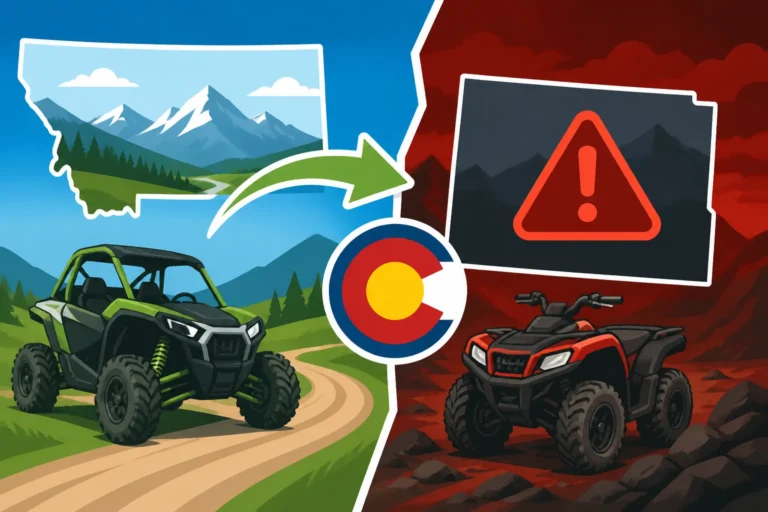
Welcome to Colorado! We're thrilled to have you and your OHV here, ready to explore our stunning scenery. However, before you load up and head for the mountains, there are some essential steps you need to take. Colorado has a robust system in place for managing off-highway vehicles, which includes both a titling process handled by the county motor vehicle offices and a separate registration system managed by Colorado Parks and Wildlife (CPW). Many new residents assume their previous state's registration is enough, or that if they have a title, they're good to go. Unfortunately, it's a bit more nuanced than that, and understanding this dual system is key to a smooth transition.
The "Why" Behind Colorado's OHV Requirements
You might be wondering why you need to go through all this trouble again, especially if your machine was perfectly legal where you came from. The core reason lies in how Colorado funds its expansive OHV program. The fees collected from titling and registration go directly back into the trails we all enjoy. This includes maintaining existing routes, developing new ones, educating riders, and supporting enforcement efforts by agencies like the Forest Service and the Bureau of Land Management. Without these funds, our trail system simply wouldn't be as well-maintained or accessible. It's truly a "pay to play" system that benefits every rider, ensuring that the next generation has incredible places to explore. So, while it feels like another hoop to jump through, it's all for the greater good of the riding community and our precious public lands.
Title Versus Registration: What's the Difference for a Newcomer?
This is often the most confusing part for new residents, as some states combine these functions. In Colorado, they are distinctly separate processes handled by different government entities. The title for your ATV or UTV is your official proof of ownership, just like the title for your car. This document is issued by the Colorado Department of Revenue, through your local county motor vehicle office. It legally establishes you as the owner of the machine and is crucial for buying, selling, or using your OHV as collateral for a loan. If you don't title your machine, proving ownership can become a nightmare down the road. You can learn more about this by reading [Titling an Off-Highway Vehicle in Colorado].
The registration, on the other hand, is your permit to operate the OHV on designated public lands and trails within Colorado. This is handled by Colorado Parks and Wildlife (CPW), and when you complete this process, you receive a decal (sticker) that must be affixed to your machine. Think of it like a fishing license – it doesn't prove you own the fishing pole, but it permits you to fish. Even if your OHV is properly titled, you still need a current CPW registration sticker to legally ride on public trails. These two pieces of paper, or rather, the title document and the registration sticker, serve entirely different purposes, and you need both to be fully compliant. For a deeper dive into this distinction, check out [Colorado OHV Title Versus CPW Registration].
Steps to Title Your Out-of-State OHV in Colorado
Getting your out-of-state OHV officially titled in Colorado is the first major hurdle, and it involves a visit to your local county motor vehicle office. This process is similar to titling a car when you move, but with specific nuances for OHVs. It can feel a bit daunting with all the potential paperwork, but breaking it down into manageable steps makes it much easier to tackle. Having everything in order before you go will save you a lot of time and frustration at the counter.
Gathering Your Existing Paperwork
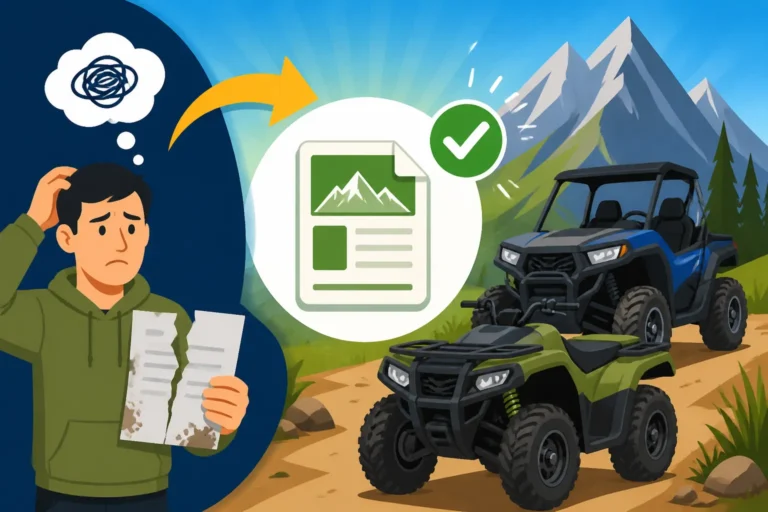
Before you even think about heading to the DMV, you need to collect all the documents related to your OHV from your previous state. The absolute most critical item is the original title from your former state, in your name. If you have a lienholder (meaning you still owe money on the machine), make sure you have the necessary documentation from them, too, often a lien release or statement of current lien. You'll also want any previous registration cards, a bill of sale if you purchased it recently, or other proof of ownership. The more documentation you can provide proving continuous ownership, the smoother the process will be. Make photocopies of everything before you go, just in case they need to keep an original. It's always better to over-prepare than to be sent home because of a missing piece of paper. The DMV office will be looking for clear evidence that you are the rightful owner. For a full list of what they'll be looking for, consider reviewing [Documents the Colorado DMV Wants for an OHV Title].
The VIN Inspection Process
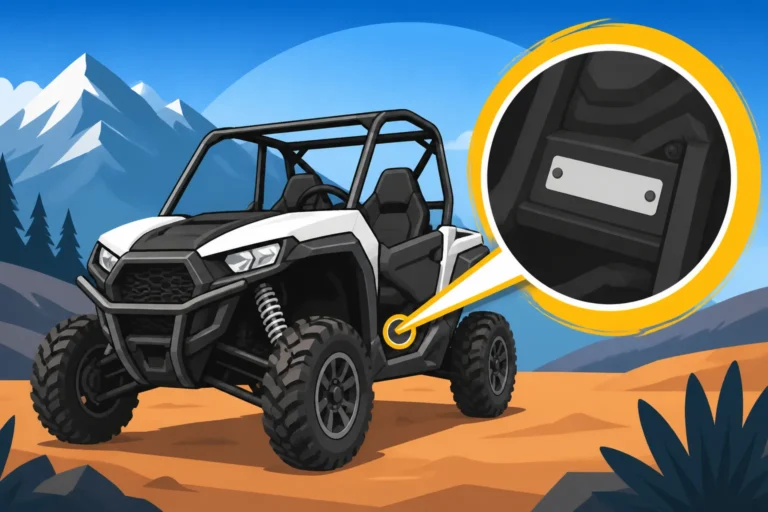
This is a step that often catches new residents by surprise. Unlike a car, where the VIN is typically easy to find and verify, OHVs can be a bit trickier. Colorado requires a VIN inspection for out-of-state vehicles to ensure the VIN matches the paperwork and that the machine hasn't been reported stolen. This inspection is usually performed by a certified VIN inspector at the county motor vehicle office, a law enforcement officer (such as a sheriff's deputy or State Patrol), or sometimes by licensed dealerships. You will need to bring your OHV to the inspection site so the inspector can physically verify the VIN on the frame or engine.
Don't skip this step or assume it's optional; the county won't issue a title without it. They're looking for discrepancies between your paperwork and the physical machine, and also for any signs of tampering. It's a safeguard for both you and the state against theft and fraud. Make sure your OHV is accessible, clean around the VIN area, and ready for inspection. They will typically issue you a verification form (often called a DR 2698) that you'll then take back inside with your other paperwork.
Visiting the County Motor Vehicle Office
With your original title, proof of previous registration, VIN inspection form, and your Colorado driver's license or state ID in hand, it's time to visit your county motor vehicle office. Be prepared for a potentially busy office, especially during peak hours. You'll fill out a Colorado title application (form DR 2421). The clerk will review all your documents, verify the VIN inspection, and calculate any applicable fees. These fees typically include a title fee, and possibly an archival fee or other small administrative charges.
This is also where they'll process any sales tax or use tax due. If you purchased your OHV out-of-state and haven't paid Colorado sales tax yet, or if it was purchased recently enough that Colorado deems it subject to its "use tax" (which is essentially sales tax on items bought out-of-state for use in Colorado), you'll pay it here. The exact amount will depend on the purchase price and your local tax rates. They will give you a temporary registration if all goes well, and your official Colorado title will typically be mailed to you within a few weeks. It’s important to clarify the specifics of use tax; [Use Tax on a Machine Brought Into Colorado] provides valuable insight.
Handling Sales Tax and Use Tax
Understanding sales tax and use tax when moving your OHV to Colorado is crucial. If you just moved here and your OHV was purchased years ago and you paid sales tax in another state, you likely won't owe additional sales tax to Colorado. However, if you bought your OHV recently (the specific timeframe can vary, but generally within a year or two) in another state and then brought it to Colorado, you will likely owe Colorado use tax. This tax is designed to prevent people from buying big-ticket items in states with lower or no sales tax to avoid paying tax in their home state.
The use tax rate is generally the same as the sales tax rate in your Colorado county of residence. When you go to title your OHV, the county motor vehicle office will calculate this amount based on the purchase price you declared on your bill of sale. If you don't have a clear bill of sale or proof of the original purchase price, they might use a valuation guide to determine the machine's value. It’s important to be honest and accurate with this information. Paying this tax upfront prevents issues later and ensures you're fully compliant with Colorado's revenue laws.
Registering Your Out-of-State OHV with Colorado Parks and Wildlife
Once you have your Colorado title (or at least proof that you've applied for it), the next step is to get your annual OHV registration from Colorado Parks and Wildlife (CPW). This is the sticker you'll need to display on your machine to legally ride on public land. Even if your OHV is titled, it's not ready for the trails until it has a current CPW registration. This process is typically less complex than titling but is equally vital.
Online, Phone, or Vendor: How to Get the CPW Registration
CPW offers several convenient ways to get your annual OHV registration, making it easier for new residents to comply. The most common and often quickest method is to purchase it online through the CPW website. You'll need some basic information about your machine (like the VIN and make/model) and a credit card. The online system is straightforward and generally allows you to print a temporary registration to carry with you until your physical sticker arrives in the mail. If you prefer to speak to someone, you can also purchase your registration by phone. The CPW customer service line can guide you through the process and answer any questions you might have.
Finally, for those who prefer an in-person transaction or need their sticker immediately, you can visit one of the many authorized vendors across the state. These vendors include sporting goods stores, some hardware stores, and local retailers that sell hunting and fishing licenses. They can process your registration on the spot and provide you with the sticker right away. Each method has its pros and cons, but all lead to the same result: a valid Colorado OHV registration. If you're wondering about renewing your registration in the future, [Colorado OHV Registration Renewal Online] has you covered.
What You'll Need for CPW Registration
Compared to the rigorous requirements for titling, obtaining your CPW registration is relatively simple. The primary piece of information you'll need is your OHV's Vehicle Identification Number (VIN). This unique identifier ensures that the registration is tied to the correct machine. You'll also need basic information about the make, model, and year of your ATV or UTV. While not always strictly required at the point of sale, it's a good idea to have some form of proof of ownership readily available, such as your Colorado title or a bill of sale, in case there are any questions or discrepancies.
If you are a new resident, you might also be asked for your Colorado driver's license number or state ID. The process is designed to be user-friendly, and for most machines, as long as you have the VIN, you should be able to complete the registration without a hitch. Remember, this registration is required for both resident and non-resident riders to use Colorado's public OHV trails.
Where the Sticker Goes
Once you receive your physical registration sticker from CPW, you'll need to affix it to your OHV in a visible and designated location. The specific placement can vary slightly depending on the type of machine, but the general rule is that it must be clearly visible from the rear or side. For ATVs (quads), the sticker is typically placed on the left rear fender. For side-by-sides (UTVs), it often goes on the left side of the machine, near the rear, or on the driver's side frame. For dirt bikes, it's usually on the left fork leg or side panel.
The key is visibility for enforcement purposes. Make sure the surface is clean and dry before applying the sticker to ensure good adhesion. Peeling stickers are a common complaint, so a clean surface is essential. Don't cover any other important markings or lights. Proper placement ensures that trail rangers can easily verify your registration without having to stop you unnecessarily. If you're curious about specific decal placements, [Where the Colorado OHV Sticker Goes] offers detailed guidance.
Common Hurdles and How to Overcome Them
Even with the best intentions, moving and transferring vehicle ownership can present a few unexpected challenges. When it comes to OHVs, these can range from lost paperwork to dealing with out-of-state liens. Knowing about these common hurdles beforehand can help you prepare and avoid unnecessary delays.
Missing Paperwork from Your Old State
This is perhaps the most common headache for anyone moving an OHV from state to state. What if you lost your original title? Or maybe you bought the machine many years ago in a private sale and never received a formal bill of sale, or you simply misplaced it? This can bring the titling process to a screeching halt. If your original title is lost, you'll first need to apply for a duplicate title from the motor vehicle department in your previous state. This can take time and often involves additional fees.
If you have no bill of sale and can't obtain one from the previous owner (perhaps they've moved or the machine was handed down), things get trickier. Colorado's DMV requires clear proof of ownership. In such cases, you might need to pursue a bonded title, which is a complex process involving surety bonds and potentially a longer wait. Alternatively, if you need a new, legally sound bill of sale to document a transfer (perhaps a gift or an old private sale where the original was lost), resources like LawDepot can be incredibly helpful. They provide customizable, state-specific legal documents, including robust bills of sale, that can help establish a clear chain of ownership, which the Colorado DMV will appreciate. Having a professionally prepared document from a service like LawDepot can often satisfy the DMV's need for formal documentation when other options are exhausted. For tips on creating a document that will be accepted, see [Buying an ATV Bill of Sale Wording That Holds Up].
Dealing with Liens from Out-of-State Lenders
If you still have an outstanding loan on your ATV or UTV, the lender (lienholder) will hold the original title. When you move to Colorado, you'll need to work closely with your lender to transfer the lien to a Colorado title. This typically involves the county motor vehicle office requesting the out-of-state title directly from your lender. Your lender will then forward the title to the Colorado DMV, or provide a lien release once the Colorado title is issued with their lien noted on it.
This process requires communication and coordination between you, the Colorado DMV, and your out-of-state lender. It's a good idea to notify your lender as soon as you plan to move so they can prepare for the title transfer. They may have specific forms they require you to fill out or processes they need to follow. Don't be surprised if this adds a few extra weeks to the titling process, as it depends on the responsiveness of all parties involved.
Temporary Riding While You Wait
One of the most common questions from new residents is, "Can I ride my OHV while I'm waiting for my Colorado title and registration sticker to arrive?" The answer is cautiously optimistic, but with important caveats. When you first apply for your CPW OHV registration online or by phone, you can usually print out a temporary registration. This paper document serves as proof that you've applied and are waiting for your physical sticker. You should carry this temporary registration with you whenever you ride.
However, keep in mind that this is only valid for a limited time (typically 30-60 days). While it allows you to hit the trails, it’s not a substitute for proper permanent registration and titling. You should still ensure you've initiated both the titling process at the county DMV and the registration process with CPW. Riding without any proof of registration, even if you've recently applied, could lead to a citation. To understand the specifics of riding before your physical sticker arrives, read [Riding While You Wait for Your Colorado Sticker]. It's always best to have the proper documentation, and failing to do so can result in [Penalties for an Unregistered OHV in Colorado]. Remember that Colorado law also specifies [Colorado Registration Deadline for New Residents] to ensure you transition your OHV properly.
Here's a quick comparison of the two main processes:
| Feature | Colorado OHV Titling (County DMV) | Colorado OHV Registration (CPW) |
|---|---|---|
| Purpose | Proves legal ownership of the OHV. | Permits operation on designated public OHV trails. |
| Governing Authority | Colorado Department of Revenue (County DMV) | Colorado Parks and Wildlife (CPW) |
| Required Documents | Out-of-state title, VIN inspection, application. | OHV VIN, basic machine details. |
| Key Output | Colorado Certificate of Title, mailed to you. | Annual decal (sticker), mailed or received at vendor. |
| Associated Costs | Title fee, potentially use tax, inspection fee. | Annual registration fee (fixed rate). |
| Frequency | Once (unless ownership changes, etc.). | Annually (runs April 1 – March 31). |
| Where to Go | Local County Motor Vehicle Office. | CPW online, phone, or authorized vendors. |
| Proof to Carry | Not typically carried on person while riding. | Temporary registration or physical sticker. |
| Contextual Brand Help | LawDepot for proof of ownership documents like Bill of Sale if missing from prior state. | N/A |
Disclaimer
This article is for general informational purposes only and does not constitute professional advice. Laws, prices and regulations vary by location and change over time. Consult a qualified professional for guidance on your specific situation.