Fines for an Unregistered OHV in Colorado
It’s a common scenario: you’ve just bought a shiny new (or new-to-you) ATV or UTV, and you're itching to hit the trails or even just cruise around your property in the Colorado sunshine. But sometimes, in all that excitement, or maybe due to a little confusion, the thought of getting it properly registered in Colorado takes a backseat. Unfortunately, overlooking this crucial step can quickly turn that dream ride into a nightmare, complete with unexpected fines and a whole lot of hassle. This guide is going to walk you through exactly what happens when you operate an unregistered off-highway vehicle (OHV) in our beautiful state, so you know the risks and how to avoid them.
Understanding Colorado's OHV Registration Law
First things first, let's clear up exactly why Colorado wants your OHV registered. It's not just about collecting fees; it's about funding the very trails and programs that make OHV riding here so incredible. The state uses those registration dollars to maintain trails, enforce rules, and support safety education. When you register your machine, you're directly contributing to the sport you love.
Colorado law mandates that all OHVs operated on public land, designated trails, or even certain private lands with specific agreements, must be registered with Colorado Parks and Wildlife (CPW). This applies whether you're a full-time resident, a seasonal resident, or just visiting from out of state. There's a common misconception that if you're only riding on your friend's private ranch, you don't need a registration, but that's not always the case. If the land is part of a designated riding area or has agreements that require registration, you'll still need that sticker. For a deeper dive into these requirements, you can read [Colorado Parks and Wildlife OHV Registration Explained].
The registration process provides a paper trail and a visible sticker that helps rangers and law enforcement quickly identify legally operating machines. This helps prevent theft, ensures that funds are properly allocated, and generally keeps our trails safer and better maintained for everyone. Without this system, it would be much harder to manage the vast network of motorized trails we enjoy across the state.
The Immediate Financial Penalties You Could Face
Let's get straight to the painful part: the financial hit. Being caught with an unregistered OHV in Colorado isn't just a slap on the wrist; it comes with a definite cost. While I can't give you exact dollar amounts (they can change and vary by jurisdiction), I can tell you that the fines are significant enough to make you wish you'd registered your machine in the first place.
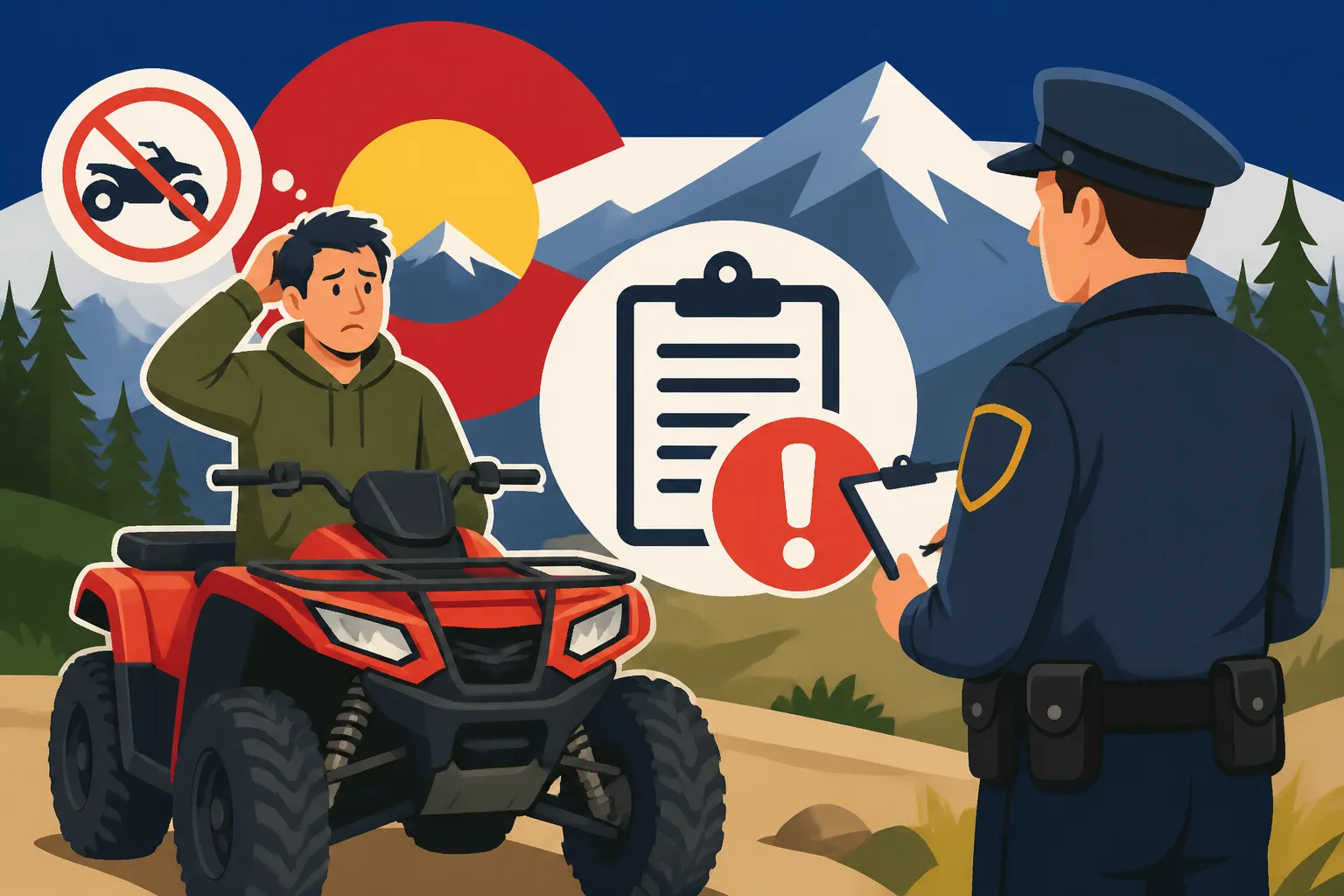
Imagine you're out on a scenic trail near Taylor Park, enjoying the crisp mountain air. Suddenly, a Colorado Parks and Wildlife ranger or local sheriff’s deputy pulls up alongside you. They ask for your registration, and you realize with a sinking feeling that you never got around to it. At that moment, your day of fun can quickly turn sour. You'll likely be issued a citation, which is essentially a ticket. This citation will come with a base fine, which is already a notable sum. On top of that, you'll almost certainly incur court costs and surcharges, even if you just pay the ticket without appearing in court. These administrative fees can sometimes add a substantial percentage to the original fine. It’s always best to check the current figures on the CPW website or your local county's court system page.
Beyond the initial fine, repeat offenses can escalate the penalties significantly. A first offense might result in one level of fine, but if you're caught a second or third time without proper registration, those fines can increase dramatically. It's not uncommon for agencies to levy higher penalties for individuals who repeatedly disregard the rules. In some cases, if you fail to address the citation, additional penalties, like points on your driving record or even further legal action, could come into play. It truly emphasizes how important it is to be familiar with [Penalties for an Unregistered OHV in Colorado].
Beyond the Fine: Other Consequences of Unregistered Riding
The financial penalty is often just the beginning. Operating an unregistered OHV can lead to a host of other headaches that stretch far beyond the initial fine. These consequences can impact your ability to ride, sell your machine, or even recover it if something goes wrong.
OHV Impoundment and Recovery Costs
One of the most immediate and frustrating consequences of being caught with an unregistered OHV is the potential for impoundment. Law enforcement has the authority to seize your machine on the spot if it's found to be in violation of registration laws, especially if you're riding on public land or without the necessary documentation. This means your pride and joy could be loaded onto a trailer and hauled away.
Once your OHV is impounded, getting it back isn't a simple process. You'll have to pay the initial fine and court costs, of course. But then you'll also be on the hook for towing fees, which can be substantial, especially if you're deep in the backcountry. On top of that, impound lots charge daily storage fees. These can add up quickly, turning a relatively small registration fee into hundreds or even thousands of dollars in recovery expenses. Imagine being stranded miles from your truck and trailer, watching your machine get taken away – it’s a situation no one wants to be in.
Difficulty with Proof of Ownership and Future Sales
An unregistered OHV also creates a messy situation when it comes to proving ownership, which can complicate everything from insurance claims to future sales. While registration isn't the same as titling (read [Colorado OHV Title Versus CPW Registration] for more on that), it does serve as a crucial document linking you to your machine. If your OHV is stolen and it's not registered, proving that it belongs to you can become significantly more difficult for law enforcement, hindering recovery efforts.
If you decide to sell your unregistered machine down the line, you might find yourself in a bind. Most savvy buyers will ask for current registration, as it provides peace of mind that the machine is legally usable on trails. Without it, you might face skepticism, lower offers, or even struggle to find a buyer at all. This is especially true if you are selling to someone planning to ride it on public lands. Having clean, current paperwork, including proof of ownership and a bill of sale, is essential for a smooth transaction. You might even find templates or guidance for a solid bill of sale on sites like LawDepot if you want to ensure all your documents are in order.
Insurance Complications and Trail Access
Operating an unregistered OHV can also throw a wrench into your insurance coverage. While [Insuring an ATV in Colorado] isn't always mandatory for all machines, many riders choose to carry it for protection against damage, theft, or liability. However, if you have an accident on an unregistered machine, your insurance company might deny your claim. Many policies have clauses that require the OHV to be legally operated and registered where required. An unregistered machine could be seen as an illegal operation, nullifying your coverage when you need it most.
Furthermore, a pattern of unregistered riding or multiple citations can impact your ability to access public trails. While not directly stated as a ban, repeated violations can flag you with authorities, potentially leading to more frequent stops or increased scrutiny. Colorado relies on its riders to be responsible, and those who consistently ignore the rules jeopardize the future of trail access for everyone. The funds from registration directly support trail maintenance, and disregarding the registration requirement undermines the very system that keeps our trails open and enjoyable.
Comparison of Potential Costs
To give you a clearer picture, here's a simplified comparison of the small upfront cost of registration versus the potential fallout of skipping it:
| Item | Colorado OHV Registration Cost (Annual) | Unregistered OHV Fine (Typical First Offense) | OHV Impoundment Fee (Towing + Initial Storage) | Daily Storage Fees (Per Day) | Total Potential Unregistered Cost (Estimate) |
|---|---|---|---|---|---|
| Cost Shape | Low, fixed annual fee | Moderate to High, variable fine | High, variable based on distance | Low to Moderate | Very High, quickly escalating |
| Example Scenario | Easy online or vendor purchase | Ranger stop on a public trail | Machine towed from trail or roadside | Daily accrual at impound lot | Could be hundreds to over a thousand dollars |
| Additional Headaches | None | Court time, legal record, increased scrutiny | Time lost, stress, difficult recovery | Continual financial drain | Insurance issues, resale problems, stress |
This table really highlights that the tiny upfront investment for a [What Colorado OHV Registration Costs] is a no-brainer compared to the potential financial and logistical nightmare of being caught without it.
How to Avoid Fines: Getting Your OHV Registered in Colorado
The good news is that avoiding these fines and hassles is incredibly easy! Colorado has made the OHV registration process straightforward and accessible. The key is to be proactive and get your machine registered as soon as you acquire it, or well before your current registration expires.
Steps to Register Your OHV
The process for registering your OHV with Colorado Parks and Wildlife is quite simple. Here’s a basic rundown of what you’ll need to do:
- Gather Your Documents: You'll need proof of ownership, which could be a bill of sale, a previous title, or a manufacturer’s statement of origin (MSO/MCO) if it’s new. Ensure your bill of sale is properly filled out, clearly identifying both buyer and seller and the machine's VIN. If you need a reliable template, resources like LawDepot offer customizable bill of sale forms that can help ensure you have all the necessary information for [Proof of Ownership for a Colorado OHV].
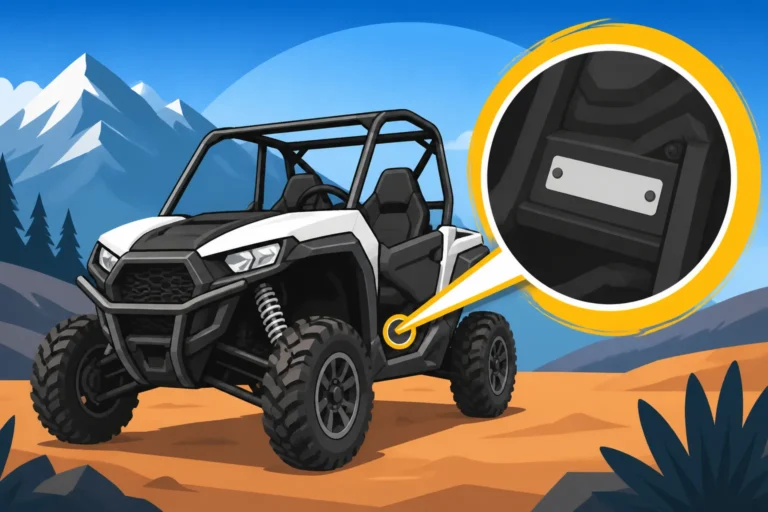
- Locate Your VIN: Know where your Vehicle Identification Number (VIN) is located on your ATV or UTV. This crucial identifier will be needed for registration.
- Choose Your Method: You have several convenient options for registration:
- Online: This is often the quickest and easiest way, especially for renewals or if you have all your digital documents ready. You can typically complete the process and receive a temporary tag while you wait for your physical sticker. Learn more about [Colorado OHV Registration Renewal Online].
- In Person: Visit a Colorado Parks and Wildlife office or one of their many authorized vendors across the state. These vendors often include sporting goods stores, powersports dealerships, and even some small-town retailers. They can help you with the paperwork on the spot. Check out [Colorado OHV Registration Vendors Across the State] to find a location near you.
- By Mail or Phone: While a bit slower, these options are available if online or in-person isn't feasible for you.
- Pay the Fee: Be ready to pay the applicable registration fee. The funds collected go directly to supporting Colorado's OHV program.
- Affix Your Sticker: Once you receive your official OHV sticker, make sure to apply it correctly to your machine. There are specific guidelines for [Where the Colorado OHV Sticker Goes] on different types of OHVs, so ensure it's visible and won't easily peel off.
It's truly a small amount of effort for a lot of peace of mind. Getting your registration handled means you can enjoy Colorado's incredible trails without constantly looking over your shoulder. Plus, you’re helping to ensure those trails remain open and well-maintained for years to come.
Disclaimer
This article is for general informational purposes only and does not constitute professional advice. Laws, prices and regulations vary by location and change over time. Consult a qualified professional for guidance on your specific situation.