Colorado Ranger Checks at a Trailhead
There's a unique knot of anxiety many of us feel when we pull up to a Colorado trailhead, excited for a day of riding, and spot a Colorado Parks and Wildlife (CPW) ranger or Forest Service officer. It's that fleeting thought: "Are my ducks in a row?" This guide is here to untangle that worry, walking you through exactly what rangers are looking for during those routine trailhead checks, so you can ride with peace of mind.
What Colorado Rangers Look For at a Trailhead
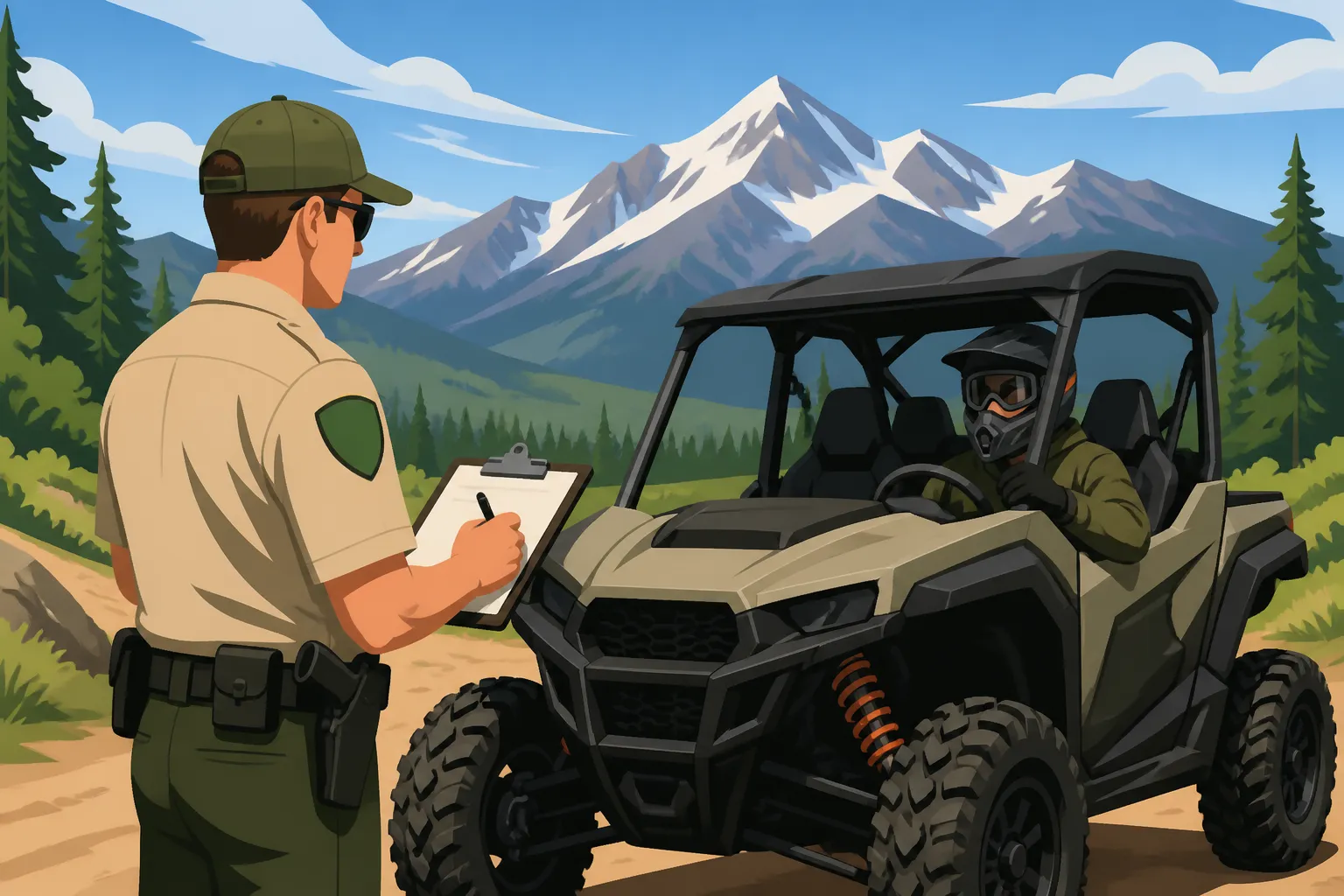
When a ranger approaches you at a trailhead, whether you're just unloading your rig or packing up after a fantastic day, it's typically a routine check. They're not usually looking to bust you for minor infractions, but rather ensuring everyone is playing by the rules that keep our trails open and safe. It's all about responsible recreation.
The Initial Visual Scan
Before they even say a word, rangers are often doing a quick visual assessment of your off-highway vehicle (OHV) and setup. They're looking for obvious signs that something might be amiss. This could be anything from a missing OHV sticker on your side-by-side to a whip flag that’s too short for the terrain. They might notice if your exhaust sounds particularly loud, or if your tires look like they're tearing up the parking area. It's their job to observe, and a good first impression can go a long way in setting a positive tone for the interaction. They're also checking the number of people in your party and the type of machines you're operating, making sure they align with basic public land regulations.
Checking for Required Equipment
Once they engage, a ranger will usually start by checking for mandatory equipment. In Colorado, this often means things like spark arresters on your exhaust system, which are crucial for preventing wildfires, especially in our dry mountain climate. They'll also be looking for proper lighting if you plan to ride at dusk or dawn, or on any designated road sections. While helmets aren't universally required for adults on all trails, they might inquire about them, especially if they see young riders. [Colorado Helmet and Eye Protection: What Is Actually Required] covers the nuances of these rules. They're ensuring your machine meets the minimum safety standards to operate on public lands, protecting both you and the environment.
Verifying Machine Compliance
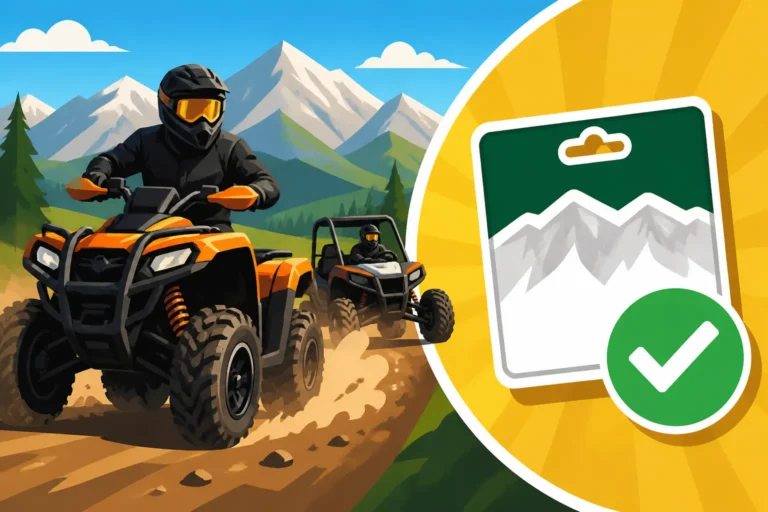
Beyond the physical equipment, rangers will also verify that your machine itself is compliant with Colorado regulations. This primarily involves checking for current registration and valid permits. Every OHV operating on public land or designated OHV trails in Colorado needs to have a current Colorado OHV registration sticker affixed in the proper location. They'll look for the green sticker on your ATV, dirt bike, or side-by-side. If you're an out-of-state rider, they'll be checking for your non-resident OHV permit. These fees are vital for maintaining our trail systems, so it's a critical check. They might also quickly eyeball your VIN to ensure it matches any paperwork you present.
Essential Documents to Carry on Colorado Trails
The thought of being stopped by a ranger often makes riders wonder exactly what paperwork they really need to have on them. It’s easy to forget important documents when you’re focused on packing snacks and gear. But being prepared can make any ranger interaction smooth and stress-free.
Proof of Registration and Permit
This is arguably the most important document a ranger will ask for. You need to be able to demonstrate that your OHV is legally registered to operate in Colorado. This means having your valid Colorado OHV registration card or, for non-residents, your non-resident OHV permit. The physical sticker on your machine is the primary visual, but the card provides the detailed proof. If you've just bought your machine, or if your renewal is processing, [Riding While You Wait for Your Colorado Sticker] explains what temporary proof might be acceptable. Keep these documents in a waterproof bag or container, easily accessible but protected from the elements. Losing them on the trail can be a real hassle, and proving your compliance without them might lead to extra questions, even if you are legitimately registered.
Valid Identification and Proof of Ownership
While a ranger primarily focuses on the machine's compliance, they may also ask for your personal identification, especially if there's any question about the machine's ownership or the legality of its operation. A valid driver's license or state ID is usually sufficient. In some cases, such as if the registration information doesn't quite match or if you're riding a machine that isn't registered in your name, they might ask for proof of ownership like a title or a bill of sale. Having a basic bill of sale, perhaps a template you found from a service like LawDepot, can be incredibly helpful if you're riding a newly acquired machine and haven't yet transferred the title. This demonstrates that you legally possess the machine, even if the formal paperwork is still in process. This is particularly relevant if you're borrowing a friend's machine.
Special Permissions and Safety Certifications
In specific situations, you might need additional documentation. For example, if you're riding on private land that borders public access, a ranger might inquire if you have written permission from the landowner to be there. This prevents accidental trespassing. For youth riders, while Colorado doesn't have a mandatory OHV safety certificate for all public land use, some areas or situations might have specific age or supervision requirements, and demonstrating knowledge of these rules can be beneficial. Having a copy of a [Youth Machine Size Rules Colorado Parents Ask About] or your child's safety course completion card (if they've taken one voluntarily) could be helpful, though not typically required for a routine stop.
| Item Ranger Checks | Why It's Checked | What You Need |
|---|---|---|
| OHV Registration Sticker | Legal operation, trail funding | Valid sticker affixed |
| OHV Registration Card | Proof of valid registration | Physical card (or temporary proof) |
| Non-Resident Permit | Legal operation for visitors | Physical permit (if out-of-state) |
| Proof of ID | Operator identification | Driver's license/State ID |
| Proof of Ownership | Machine legality, theft prevention | Title, Bill of Sale (if requested) |
| Spark Arrester | Fire prevention | USFS-approved spark arrester |
| Head/Taillights | Safety, night/low-light riding | Functional lights (if applicable) |
| Whip Flag | Visibility (in certain areas) | Properly sized flag (if applicable) |
| Muffler Noise | Noise compliance, trail etiquette | Stock or compliant aftermarket muffler |
| Trail Use | Adherence to designated routes | Knowledge of MVUM/Trail signage |
Common Violations That Lead to Citations
No one wants to receive a citation, especially when you're out trying to enjoy Colorado's incredible backcountry. Understanding the most common reasons riders get ticketed can help you avoid these costly mistakes and keep your record clean. [Fines for an Unregistered OHV in Colorado] details some of the financial consequences.
Operating an Unregistered or Unpermitted OHV
This is hands down one of the most frequent reasons for a citation. Every OHV, including ATVs, dirt bikes, and side-by-sides, needs to be registered with Colorado Parks and Wildlife if it's used on public land or designated OHV trails. The funds from these registrations directly support trail maintenance, emergency services, and the management of OHV programs. Failing to display a current sticker or produce a valid registration card will almost certainly result in a ticket. Even if you've only just purchased your machine, you need to ensure you have the proper temporary documentation or permanent registration in place. Forgetting to renew your registration, especially if you ride seasonally, is an easy oversight that can lead to a fine.
Equipment and Safety Violations
While Colorado's OHV equipment laws are generally reasonable, there are specific requirements that rangers enforce for safety and environmental protection. For instance, operating without a functioning spark arrester is a serious fire hazard and a common citation. Similarly, if you're riding at night or in low visibility without proper headlights and taillights, you're not only a danger to yourself but also to other trail users. Loud aftermarket exhausts that exceed noise limits can also draw attention and lead to a citation, especially in quieter mountain communities. Understanding [Mufflers and Spark Arresters in Colorado] is key to staying compliant. These rules aren't just bureaucratic hurdles; they're designed to protect our natural resources and ensure everyone can enjoy the trails safely and respectfully.
Environmental and Trail Etiquette Infractions
Beyond registration and equipment, rangers are also vigilant about protecting the delicate Colorado environment and ensuring proper trail etiquette. Riding off designated trails, known as "trail busting," is a serious offense that causes irreparable damage to fragile ecosystems and often results in hefty fines. Dispersed camping rules, proper waste disposal, and avoiding sensitive wildlife areas are all aspects of responsible recreation that rangers monitor. They might also issue citations for reckless riding, excessive speed in certain areas, or harassing wildlife. These rules help preserve the beauty of Colorado for all users and future generations, and rangers are there to ensure these principles are upheld.
Navigating a Ranger Stop: Your Rights and Responsibilities
Encountering a ranger at a trailhead can be an intimidating experience, even if you know you're doing everything right. Knowing what to expect and understanding your rights and responsibilities can help you handle the situation calmly and effectively. Remember, cooperation is usually the best approach.
What to Expect During an Interaction
When a ranger approaches, they will typically identify themselves and state the reason for the stop, which is often a routine check. They will likely ask for your OHV registration or permit, and possibly your identification. Be prepared to provide these documents promptly. They might also ask a few questions about your ride plans, where you've been, or if you're encountering any issues on the trail. It's important to remain polite and cooperative. Avoid arguing or becoming confrontational. If you're unsure about a question, you can politely ask for clarification. The goal for both you and the ranger is often to ensure safety and compliance, not necessarily to find fault. Being respectful throughout the interaction can lead to a much smoother experience.
Understanding Your Rights as a Rider
As a rider, you have certain rights during a ranger stop. You have the right to know why you've been stopped and what the ranger is requesting. While you must provide required documents like registration and identification, you also have the right to remain silent if you believe your answers could incriminate you. You are not obligated to consent to a search of your personal belongings or vehicle without probable cause or a warrant, although OHVs operating on public land are often subject to inspection for compliance with state and federal regulations. If you feel your rights are being violated, politely state your concerns and ask for a supervisor's contact information. You can also document the interaction if you feel it's necessary. Knowing these rights empowers you to navigate the situation confidently, but always prioritize safety and avoid any actions that could escalate the situation.
If You Receive a Citation
If, despite your best efforts, you receive a citation, take a deep breath. It's important to understand what the citation is for and what your options are. The ranger will explain the violation and the associated fine. You typically have the option to pay the fine or contest it in court. If you believe the citation was issued in error or unjustly, gather any evidence you have, such as photos, witness statements, or documentation, and consult with an attorney specializing in traffic or recreational vehicle law. They can advise you on the best course of action for [Appealing an OHV Citation]. Even if you plan to contest it, remember to remain polite and accept the citation without further argument at the scene. Fighting it out on the trail rarely changes the outcome and can make a difficult situation worse.
Disclaimer
This article is for general informational purposes only and does not constitute professional advice. Laws, prices and regulations vary by location and change over time. Consult a qualified professional for guidance on your specific situation.