ATV Bill of Sale Wording That Holds Up
You've just found that perfect used ATV or UTV in Colorado, or maybe you're the one ready to pass on your beloved machine to a new owner. The excitement is real, but so is the dread that can creep in when you think about all the paperwork. Many folks jump the gun, shake hands, exchange cash, and scribble down a few lines on a napkin, only to find themselves in a sticky situation later when the Department of Motor Vehicles (DMV) or Colorado Parks and Wildlife (CPW) pushes back. This comprehensive guide is here to walk you through exactly what kind of wording and details you need in your ATV or UTV bill of sale to make sure it's legally sound and prevents future headaches for everyone involved in Colorado.
Why a Strong ATV Bill of Sale is Your Best Friend in Colorado
When you're dealing with a private sale of an off-highway vehicle (OHV) in Colorado, the bill of sale isn't just a formality; it's a critical document. Think of it as the foundation of your transaction, laying out all the essential details in black and white. Without a robust bill of sale, both the buyer and seller are vulnerable to misunderstandings, potential legal disputes, and significant delays when trying to transfer ownership or register the machine.
For buyers, a well-worded bill of sale is their primary proof of purchase. It substantiates that they are the new legal owner and helps prevent any future claims from the previous owner. Imagine buying a machine, taking it to the DMV, and being told the previous owner never officially transferred it – a nightmare scenario that a solid bill of sale helps to prevent. It also protects against any undisclosed issues with the machine or its history, as long as those details are clearly laid out in the document.
Sellers, on the other hand, benefit immensely from a clear bill of sale by documenting that they have officially relinquished ownership. This is crucial for their liability. Once the machine is sold, you don't want to be held responsible for anything that happens with it in the future, whether it's an accident, an unpaid ticket, or even property taxes. A properly executed bill of sale draws a clear line, stating precisely when and to whom the machine was sold, thereby protecting you from subsequent claims or liabilities. It acts as your official record that the transaction is complete and you're no longer the responsible party.
Protecting Both Buyer and Seller
A meticulously crafted bill of sale acts as a shield for both parties. For the buyer, it solidifies their claim to the OHV, preventing the previous owner from suddenly claiming the machine was never truly sold or was stolen. It ensures they have the necessary documentation to [Titling an Off-Highway Vehicle in Colorado] and eventually [Registering an OHV in Colorado]. It also serves as an official record of the agreed-upon price, which is vital for calculating sales tax and preventing any disputes over payment.
For the seller, this document is equally vital. It provides irrefutable evidence that they no longer own the machine, effectively transferring all liability and responsibility to the new owner. This is particularly important if the machine is later involved in an accident or found abandoned. Without a clear bill of sale, the original owner could potentially be contacted by authorities or held accountable for incidents that occurred long after they sold the OHV. A clear paper trail protects you from these unforeseen issues.
Avoiding Future Headaches and Disputes
Vague or incomplete bills of sale are breeding grounds for future disputes. Imagine a scenario where the buyer later discovers a mechanical issue they believe the seller should have disclosed. Without clear wording in the bill of sale regarding the "as-is" condition or any specific disclosures, it can quickly devolve into an argument about who is responsible. Such disagreements can be time-consuming, expensive, and stressful for everyone involved.
Moreover, the bill of sale is often a prerequisite for official actions. If the buyer needs to prove ownership for insurance purposes or to deal with a lost title scenario down the road, a weak bill of sale can create bureaucratic nightmares. A comprehensive document, however, minimizes ambiguity by clearly defining the terms of the sale, the condition of the machine, and the responsibilities of each party. This proactive approach significantly reduces the likelihood of future misunderstandings or legal challenges.
Meeting Colorado's Proof of Ownership Needs
In Colorado, having proper documentation for your OHV is non-negotiable. Whether you're registering an ATV or UTV with Colorado Parks and Wildlife or working with the Department of Revenue for a title, a valid bill of sale is a cornerstone of proving your ownership. It's often requested alongside the title (if one exists) and any other supporting documents. Without it, you might find yourself stuck in a bureaucratic loop, unable to complete essential steps like registration or transfer.
For sellers, it's also about having the paper trail to show that they legitimately transferred the machine. If there's ever a question about sales tax remittance or other state requirements, the bill of sale acts as your primary record. It ensures that both parties can confidently move forward, knowing they have fulfilled their obligations and have the necessary evidence should any questions arise from state agencies. This is particularly important for machines that may not have traditional titles, where the bill of sale often takes on even greater significance as [Proof of Ownership for a Colorado OHV].
Key Elements Every Colorado ATV Bill of Sale Needs to Be Ironclad
To truly stand up to scrutiny, your Colorado ATV or UTV bill of sale needs to include several essential pieces of information. Skipping any of these can weaken the document and potentially cause problems down the line. Think of these as the absolute non-negotiables that form the backbone of your sale agreement.
These fundamental components ensure that the transaction is clearly defined, the parties are properly identified, and the item being sold is accurately described. Without these details, the document becomes vague and less reliable, making it difficult to enforce or use as official proof. Taking the time to fill out each section completely and accurately will save a lot of grief in the long run.
Identifying Information for Both Parties
The very first thing any valid bill of sale needs is clear and complete identification of both the buyer and the seller. This means full legal names, current physical addresses, and contact information such as phone numbers or email addresses. It's not enough to just use a first name and a general location; you need to be specific. Imagine trying to track down a seller years later if a legal issue arises and all you have is "John from Denver."
Always make sure to get the full name as it appears on official identification, like a driver's license. It's a good practice for both parties to verify the other's identity using a government-issued ID. This adds a layer of security and ensures that you're dealing with the legitimate owner or buyer, not someone trying to misrepresent themselves. Including this detailed information makes the contract enforceable and helps to prevent fraudulent transactions, protecting everyone involved.
Detailed Machine Description and VIN
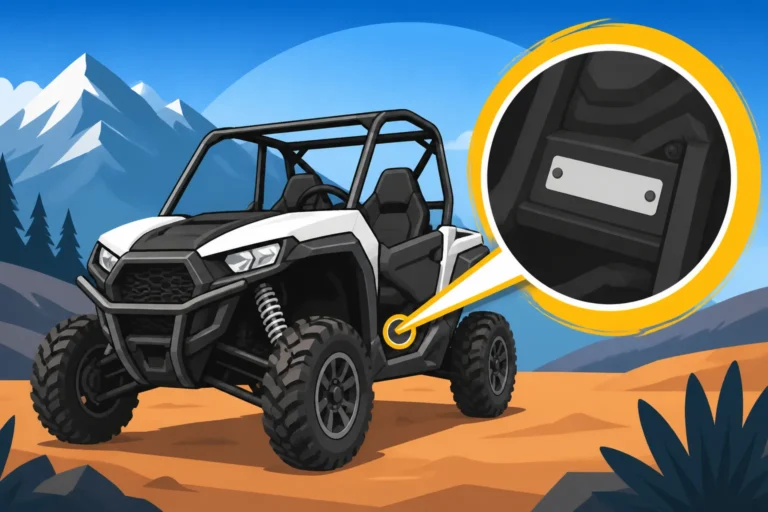
This section is paramount. You need to provide a thorough description of the ATV or UTV being sold. This includes the make (e.g., Polaris, Can-Am), model (e.g., RZR, Maverick), year, color, and most importantly, the Vehicle Identification Number (VIN). The VIN is the unique identifier for your machine, much like a social security number, and it must be accurately recorded on the bill of sale. Double-check it against the actual VIN plate on the OHV and any existing title or registration documents. A mismatch here can cause significant problems with the DMV or CPW.
In addition to the basic details, it's wise to include the engine size (e.g., 500cc, 1000cc) and odometer reading, if applicable. Any significant modifications or unique features should also be noted to further differentiate the machine. The more specific you are in this description, the less room there is for confusion or dispute later about exactly which machine was sold. This level of detail confirms that the document pertains to this specific machine and no other, leaving no ambiguity for future reference. For instance, if you're selling a yellow 2018 Polaris RZR XP 1000 with a winch and upgraded tires, list it all out.
Purchase Price and Payment Details
Clearly stating the agreed-upon purchase price is fundamental. This should be written out both in numerical form and in words to prevent any misunderstandings (e.g., "Five Thousand Dollars and 00/100 ($5,000.00)"). It's also crucial to detail how payment was made. Was it cash? A cashier's check? A personal check? If a personal check, was it cleared before the machine was released? Was a deposit taken?
Specifying the payment method and date of payment confirms the financial terms of the agreement. If the payment involves a trade-in, those details should also be clearly documented, including the value attributed to the trade. This section is vital for both parties for their financial records and for calculating [Colorado Sales Tax on an ATV Purchase] if applicable. A clear record of payment prevents disputes about whether the machine was paid in full or if any outstanding balance remains, providing complete transparency for the transaction.
Crucial Clauses That Add Weight and Clarity to Your Sale Agreement
While the basic identifying information is a great start, a truly "ironclad" bill of sale goes further. It includes clauses that address the condition of the machine, the legal right to sell it, and the definitive moment of transfer. These details transform a simple receipt into a robust legal document, protecting both parties from unforeseen issues and clarifying expectations.
These additional clauses are what give the bill of sale its real power, turning it from a mere record of a transaction into a binding agreement that anticipates and addresses common points of contention. They manage expectations, assign responsibilities, and provide a clear framework for how any future issues might be handled, reinforcing the legality and durability of the document.
"As-Is" Clause and Condition Disclosure
One of the most important clauses for private sales in Colorado is the "as-is" statement. This clause clearly states that the buyer is purchasing the ATV or UTV in its current condition, with all existing faults, known or unknown, and without any warranties or guarantees from the seller. This protects the seller from claims arising from mechanical failures or other issues that might appear after the sale. It essentially says, "What you see is what you get, and once you buy it, it's yours to maintain."
However, an "as-is" clause does not protect a seller from knowingly misrepresenting the machine or concealing major defects. Therefore, it's also wise to include a section for condition disclosure. Here, the seller can honestly list any known issues with the machine – for example, "engine sometimes struggles to start in cold weather," or "minor cosmetic damage to front fender." Transparency benefits everyone. If there are no known issues, you can state "to the best of seller's knowledge, the machine is in good running condition with no known major defects other than normal wear and tear." This level of honesty, combined with an "as-is" clause, creates a fair and robust agreement.
Statement of Ownership and Liens
A critical clause confirms that the seller is the rightful legal owner of the ATV or UTV and has the full authority to sell it. This prevents situations where someone attempts to sell a machine they don't legitimately own, perhaps a stolen vehicle or one co-owned by someone else without their consent. The buyer needs assurance that they are acquiring legitimate ownership.
Equally important is a statement regarding any liens or encumbrances on the machine. The seller should explicitly state whether there are any outstanding loans, leases, or other financial claims against the ATV or UTV. Ideally, the seller should confirm that the machine is free and clear of all liens. If there is a lien, the bill of sale should detail how that lien will be satisfied (e.g., "seller agrees to pay off outstanding loan from ABC Bank immediately upon receipt of funds, and provide lien release to buyer within X days"). This protects the buyer from inheriting someone else's debt and ensures a clean transfer of title, which is vital when dealing with [Liens on a Colorado OHV Title].
Date of Sale and Signatures
The specific date of the sale is a non-negotiable detail. This date establishes the exact moment ownership transferred from the seller to the buyer. This is important for determining liability, insurance coverage, and tax obligations. Without a clear date, it can be difficult to prove when the transaction actually occurred, potentially leading to confusion regarding responsibilities.
Finally, and perhaps most obviously, the bill of sale must be signed by both the buyer and the seller. Each signature confirms that the party agrees to the terms outlined in the document. It's a good practice to have both parties sign in blue or black ink, and for each party to receive an original signed copy. This physical act of signing formally binds the agreement and demonstrates consent. Without genuine signatures from both parties, the document lacks legal authority and can easily be challenged.
Witness Signatures and Notarization Considerations
While not always legally required for a basic bill of sale in Colorado, adding witness signatures can significantly strengthen the document. A witness can attest that both parties willingly signed the agreement and appeared to understand its contents. Having an impartial third party present can be invaluable if a dispute arises later, as they can corroborate the circumstances of the signing. The witness should also provide their full name and contact information.
For an extra layer of protection and authenticity, consider having the bill of sale notarized. A notary public verifies the identity of the signers and witnesses their signatures. Notarization doesn't validate the content of the agreement itself, but it does confirm that the people who signed it are indeed who they claim to be, and that they signed it voluntarily. This can carry significant weight if the document is ever challenged in court. While [Does a Colorado Bill of Sale Need Notarizing?] is generally no, for a high-value OHV or if there are any complexities involved, notarization is a wise choice that adds undeniable credibility to the transaction. Many people find using a service like LawDepot valuable for creating templates that incorporate these best practices, often with options for notarization.
Common Pitfalls to Avoid When Drafting Your Colorado OHV Bill of Sale
It's easy to get caught up in the excitement of a new purchase or the relief of a successful sale. However, cutting corners on the bill of sale can lead to significant regrets. There are several common mistakes that people make when drawing up this crucial document, and being aware of them can help you avoid costly and time-consuming problems.
These pitfalls often stem from a lack of attention to detail, an assumption that "it'll be fine," or simply not knowing what information is truly necessary. By proactively addressing these potential issues, you can ensure your bill of sale is robust and effective, providing the protection and clarity you need. Don't let a simple oversight turn into a major headache down the road.
Incomplete Information or Vague Descriptions
One of the most frequent mistakes is leaving sections blank or providing insufficient detail. Forgetting to include a middle initial, using a nickname instead of a full legal name, or simply writing "Red ATV" instead of the make, model, year, and VIN can severely undermine the document's validity. If the information isn't precise and verifiable, it becomes difficult to link the bill of sale definitively to the specific transaction or individuals.
Imagine trying to register a machine with a bill of sale that only says "ATV" and a partial VIN. The Colorado DMV or CPW will almost certainly reject it, forcing you to track down the previous owner, who might be difficult to reach or unwilling to cooperate. This kind of oversight can delay your ability to ride legally for weeks or even months. Always err on the side of too much detail rather than too little, ensuring every field is filled out accurately and completely.
Forgetting About Sales Tax Obligations
Many private sellers and buyers mistakenly believe that private sales are exempt from sales tax. This is a common and potentially expensive misconception in Colorado. When you purchase an ATV or UTV, whether from a dealer or a private party, you are generally subject to state sales tax (and potentially local sales tax, depending on where the buyer lives). While a private seller might not collect the tax directly, the buyer is usually responsible for remitting it when they go to title or register the machine.
Failing to acknowledge or plan for sales tax in the bill of sale can lead to a nasty surprise for the buyer at the DMV, who will likely be asked to pay the sales tax based on the purchase price listed on the bill of sale. If the price was intentionally understated to avoid tax, both parties could face penalties. It's crucial for the bill of sale to reflect the actual purchase price, as this forms the basis for tax calculations. While the bill of sale doesn't need to calculate the tax, acknowledging the buyer's responsibility for [Colorado Sales Tax on an ATV Purchase] is a good practice.
Not Addressing Outstanding Liens
Another critical oversight is failing to properly address any existing liens on the ATV or UTV. If the seller still owes money on the machine, and that loan is secured by the title, the buyer won't be able to get a clean title until that lien is released. A bill of sale that simply states "paid in full" without addressing an existing loan can leave the buyer in a precarious position, having paid for a machine they can't fully own.
Always, always confirm with the seller that there are no outstanding liens. If there are, the bill of sale should explicitly detail the process for the lien release, including who is responsible for paying off the loan and by what date, and how the buyer will receive proof of the lien release. A smart buyer will request proof of lien satisfaction directly from the lending institution before or immediately after payment. Ignoring this can lead to situations where you've paid for a machine that still technically belongs to the bank.
Relying on a Verbal Agreement Alone
Perhaps the biggest mistake of all is relying solely on a verbal agreement. "We shook on it" or "He said he'd take care of it" simply does not hold up when dealing with legal ownership and government agencies. Memories fade, intentions change, and without a written document, proving the terms of a sale becomes incredibly difficult, if not impossible. A verbal agreement might feel friendly and trusting, but it offers absolutely no protection for either party in the event of a dispute or a simple misunderstanding.
Even for something as seemingly minor as a small deposit or an agreement to meet for pickup, having it in writing eliminates ambiguity. A verbal agreement provides no legal recourse if one party reneges on the deal or disputes a detail. Always insist on a written bill of sale for any ATV or UTV transaction, no matter how small or how well you know the other person. This is where templates from trusted sources like LawDepot can be incredibly helpful, ensuring you don't miss any critical sections.
Putting It All Together: A Step-by-Step Guide to Your Colorado ATV Sale
Okay, so you understand why a good bill of sale is important and what needs to be in it. Now, let's talk about the practical steps of actually creating and finalizing this document. It doesn't have to be overwhelming, especially when you break it down into manageable actions. Following a clear process ensures nothing is missed and the transaction proceeds smoothly for everyone.
This step-by-step approach simplifies what can seem like a complex task. By preparing in advance, using reliable resources, and paying attention to the final details, you can navigate the private sale of an OHV with confidence. This systematic method minimizes stress and maximizes the chances of a successful and legally sound transfer of ownership.
Gathering Necessary Information Before You Start
Before you even begin to fill out a bill of sale, both the buyer and seller need to gather all the relevant information. For the seller, this includes:
- Their full legal name, current address, and contact information.
- The ATV or UTV's make, model, year, color, and most importantly, the VIN. Double-check this against the machine itself and any existing title or registration.
- Any existing title document for the OHV, if applicable, or the most recent registration from CPW.
- Information about any liens on the machine and the contact details for the lienholder if a payoff is required.
For the buyer, this includes:
- Their full legal name, current address, and contact information.
- The agreed-upon purchase price and preferred method of payment.
- Confirmation that they have inspected the machine and understand its "as-is" condition.
Having all of this information readily available will make the process of filling out the bill of sale much quicker and more accurate. Think of it as preparing your ingredients before you start cooking – it makes the whole process more efficient. Make sure both parties bring their government-issued ID to the signing.
Using a Reputable Template (e.g., LawDepot)
You don't need to be a legal expert to create a robust bill of sale. There are many reputable templates available online that guide you through the process, ensuring you include all the necessary information. Services like LawDepot offer user-friendly, customizable bill of sale templates specifically designed for vehicles and OHVs. These templates often include all the crucial clauses we've discussed, from the "as-is" statement to sections for lien disclosure.
Using a pre-made template saves you time and reduces the risk of overlooking essential details. Just be sure to select a template that is appropriate for your specific type of vehicle (an ATV/UTV) and can be adapted to Colorado's requirements. Fill out all the fields carefully, ensuring that the details match the information you gathered in the previous step. Many of these templates, including those from LawDepot, will prompt you for all the necessary identifying details and conditions, making the process straightforward. Remember, you can also look for a specific [Colorado ATV Bill of Sale Template] which might be offered by certain government agencies or legal aid sites.
Finalizing and Distributing Copies
Once the bill of sale is completely filled out, it's time for the final steps. Both the buyer and seller should read the document thoroughly one last time to ensure all details are correct and that they agree to all the terms. Any discrepancies should be addressed and corrected before signing.
Then, both parties should sign and date all copies of the bill of sale. If witnesses are present, they should also sign. If you choose to have it notarized, do so at this stage. Make sure to create at least two original copies – one for the buyer and one for the seller. Some people even prefer a third copy for their own records if they anticipate future questions. The seller should provide the buyer with any existing title or previous registration documents, and perhaps even a copy of the owner's manual if available. Handing over all relevant paperwork and the keys to the OHV marks the official transfer of ownership. This concludes the immediate transaction, leaving both parties with clear, signed documentation.
After the Sale: What Happens Next with Paperwork in Colorado
Once the handshake is done and the bill of sale is signed, the journey isn't quite over, especially for the buyer. There are still official steps that need to be taken to fully transfer ownership and ensure the ATV or UTV can be legally operated in Colorado. Understanding these next steps helps both parties manage expectations and confirms that the transfer is complete in the eyes of the state.
These final steps are crucial for making the new ownership official and compliant with Colorado law. Ignoring them can lead to fines, legal complications, and an inability to use the OHV on designated trails. A smooth transition from seller to buyer involves not just the bill of sale, but also proper follow-through with state agencies.
The Buyer's Next Steps: Titling and Registration
For the buyer, the bill of sale is a golden ticket, but it's not the final destination. In Colorado, you'll need to use that bill of sale, along with any existing title or manufacturer's statement of origin (MSO), to officially title and register your new OHV.
First, you'll typically head to your local County Clerk and Recorder's office (which often handles DMV services) to apply for a title. This is where you'll present your bill of sale as proof of purchase, the old title (if applicable), and pay any [Colorado OHV Title Fee] and applicable sales tax. Once you have a title in your name, the next step is registering the OHV with Colorado Parks and Wildlife (CPW). You can do this online, by mail, by phone, or in person at a CPW vendor. The CPW registration is what gets you the OHV sticker you need to legally ride on public lands and designated trails in Colorado. Remember that [Colorado OHV Registration After a Private Sale] is crucial before you hit the trails.
The Seller's Responsibilities After the Handshake
For the seller, responsibilities mostly wrap up once the bill of sale is signed, payment is received, and the machine is handed over. However, there are a couple of things to keep in mind. It's a good idea to retain your copy of the bill of sale indefinitely as proof of sale. This protects you from any future claims related to the machine's ownership or use after the sale date.
If you had the OHV insured, you should contact your insurance provider to remove the machine from your policy. This ensures you're not paying for coverage on a vehicle you no longer own and officially severs your ties to it. While you're not responsible for ensuring the buyer titles or registers the OHV, having a solid bill of sale means you've done your part to officially transfer ownership. This documentation protects your interests and ensures that you have a clear record of the transaction if questions ever arise.
| Bill of Sale Component | Purpose & Importance | Common Pitfall to Avoid |
|---|---|---|
| Parties' Info | Identifies buyer & seller for legal enforceability. | Using nicknames, incomplete addresses, or omitting contact details. |
| Machine Details | Uniquely identifies the OHV; prevents disputes over which machine. | Vague descriptions ("red quad"), incorrect VIN, or missing make/model/year. |
| Purchase Price | Establishes the agreed value for payment and tax calculation. | Understating the price (for tax evasion) or not specifying payment method/date. |
| "As-Is" Clause | Protects seller from post-sale claims about machine condition. | Omitting it entirely, or failing to disclose known major defects, which can still lead to legal trouble. |
| Ownership/Liens | Confirms seller's right to sell; assures buyer of clear title. | Not verifying if a lien exists, or not detailing lien payoff/release process. |
| Date & Signatures | Legalizes the transaction and fixes the moment of ownership transfer. | Forgetting to date, only one party signs, or using digital signatures without proper verification for a private sale. |
| Witness/Notary | Adds credibility and an extra layer of protection (optional but recommended). | Skipping this if the value is high or if there's any perceived risk of future dispute. |
Disclaimer
This article is for general informational purposes only and does not constitute professional advice. Laws, prices and regulations vary by location and change over time. Consult a qualified professional for guidance on your specific situation.