Riding Colorado Trails With Kids
Taking children on Colorado ATV and UTV trails can turn into a stressful day if the route is rougher, higher, or longer than expected. This guide helps families choose a suitable ride, prepare kids and equipment, check age and route rules, and make a sensible plan for Colorado’s changing mountain conditions.
Choose a trail and machine that fit your family
Match the route to the least experienced rider
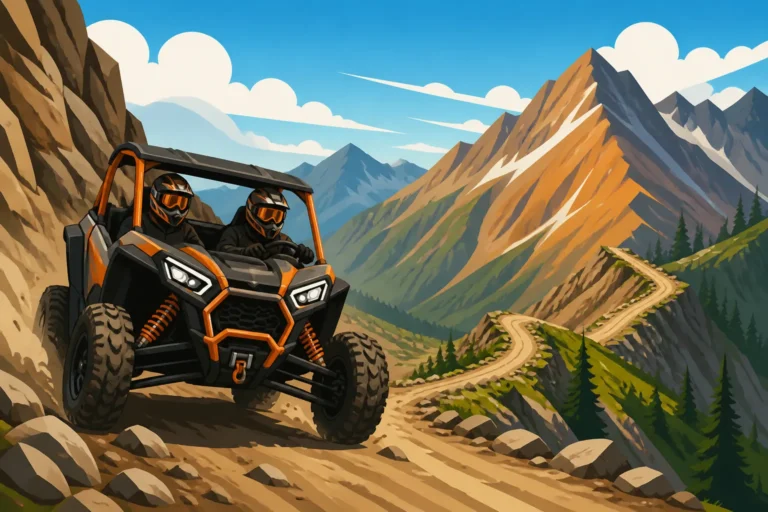
A trail that feels easy to an adult driver may be tiring or intimidating for a child. Rocky sections, steep climbs, narrow ledges, deep ruts, and long stretches without a good place to stop can turn a family outing into a struggle. Choose a route based on the youngest passenger’s comfort and the least experienced driver’s skills—not on the most confident person in the group.
Start with a short, lower-commitment outing where you can turn back without a complicated recovery. Look for a route with room to pull over safely, manageable grades, and a realistic return plan. Trail ratings are useful clues, but they don’t tell the whole story: conditions change with weather, traffic, maintenance, and seasonal closures. Use Trail Difficulty Ratings and What They Mean as one part of your decision, then check local route information before you go.
If your family is new to off-highway riding, browse Colorado Trails Suited to Beginners and Family-Friendly Colorado OHV Trails while comparing options. Treat any “family-friendly” description as a starting point, not a promise that every section will suit every child. A route can be pleasant for an older, patient child in a properly equipped side-by-side and still be a poor choice for a very young passenger or a new driver.
Pick a machine for the child’s role, not just the route
First decide what the child will be doing: riding as a passenger, operating an age-appropriate youth machine, or taking turns in a vehicle designed for more than one person. Those are different situations, and each brings its own equipment, supervision, and safety considerations. Never assume a child can safely ride in a seat simply because there is room; check the vehicle’s manual and passenger requirements.
For a UTV, confirm that each rider has a proper seat and restraint, and that the child can sit securely with the belt fitted correctly. A child who is too small for a seat belt to fit as intended may need a different arrangement or may not be ready for that vehicle. Keep hands and arms inside the vehicle, use doors or nets as intended, and explain what to do if the vehicle stops or tips. For an ATV, follow the manufacturer’s passenger guidance. Many ATVs are designed for a single rider, and an extra person can affect balance and control.
A youth machine should fit the child’s size, coordination, and experience. The throttle, brakes, and controls need to be reachable and manageable, and the child should be able to stop without adult help. Engine size alone doesn’t determine whether a machine is appropriate. Colorado families can review Youth Machine Size Rules Colorado Parents Ask About and [Colorado Age Rules for Young OHV Riders], then confirm the rules that apply to the specific place and type of riding.
| Family situation | What to prioritize | A sensible planning choice |
|---|---|---|
| Young child riding as a passenger | Correct seat, properly fitting restraint, and a calm route | Keep the outing short and avoid rough or exposed sections |
| Child operating a youth machine | Appropriate fit, reliable stopping, and close adult oversight | Choose a familiar, uncomplicated riding area |
| Mixed ages and experience levels | A route that works for the least experienced rider | Plan an easy turnaround point and regroup often |
| First family trail outing | Simple logistics and room for breaks | Start with a short ride rather than a full-day goal |
Check rules and riding protections before leaving
Confirm age, supervision, and route requirements
Colorado riding rules can depend on where you’re riding and what kind of route you’re using. A trail on public land, a designated road open to OHVs, a town street, and private property may not be governed by identical requirements. Don’t assume that a child who may ride in one setting can operate a machine in every other setting.
Before the trip, identify whether your planned route includes any roads open to OHVs or town streets. If it does, check the applicable age and supervision requirements for that section. The rules can differ from those for an off-road trail, and a route may pass through areas with their own restrictions. Colorado Supervision Rules for Riders 10 to 16 is a useful place to start, but check the rules for the precise route you intend to ride.
Also confirm that your machine has the required registration or permit for the riding area and that your family has any required documents available. If you’re visiting from out of state, don’t assume your home-state registration covers every Colorado riding requirement. Colorado OHV Rules for First-Time Visitors can help you identify the questions to resolve before loading the trailer.
Make helmets and eye protection non-negotiable
A comfortable helmet is much more likely to stay on than one that pinches, shifts, or feels too heavy. Have each child try on their helmet before the trip and check that it fits snugly, stays in place, and fastens correctly. Bring eye protection that fits with the helmet, plus a backup if a child is prone to losing or fogging goggles. Dust and wind can make a rider miserable quickly, especially when the vehicle ahead is kicking up loose dirt.
Explain the basics before the engine starts: keep the helmet on while riding, follow the adult’s instructions, keep hands and feet where they belong, and speak up if something feels wrong. Make it clear that a child can ask to stop. That small reassurance can make the ride safer because kids are less likely to hide discomfort or fear just to avoid disappointing the adults.
Check the requirements that apply to the location and riding situation rather than relying on what another family wears. Helmet and Eye Protection Requirements in Colorado offers a starting point for understanding the topic. For children, fit matters as much as having the right type of gear: an adult helmet borrowed for the day is not a good substitute for a properly fitted one.
Plan for Colorado’s altitude, weather, and trail conditions
Build in breaks and an easy way to turn around
A route that looks short on a map can take longer than expected when the surface is rocky, the family is stopping often, or a child needs a break. At higher elevations, exertion and changing weather can make a day feel more demanding. Plan a route that leaves time for the ride back, and avoid stretching a child’s patience just to reach a planned destination.
Before setting out, agree on simple check-in points. For example, stop at a safe pullout after the first section, check how everyone feels, and decide whether to continue. If a child seems cold, unusually tired, uncomfortable, or anxious, take that seriously. Turning around early is a successful family ride if it means everyone finishes safely and still wants to go again.
Check the trail’s status and conditions before you leave, and be prepared to change plans. Snow, mud, washouts, closures, and afternoon storms can affect access and make a route less suitable than it seemed when you first chose it. Colorado Trails Open in July can help with seasonal planning, but conditions still vary by location and elevation. For navigation, onX Offroad can help you review routes and map context before the trip; download or otherwise prepare for the possibility of limited cell service, and carry a backup way to navigate.
Pack for delays, not only the planned ride
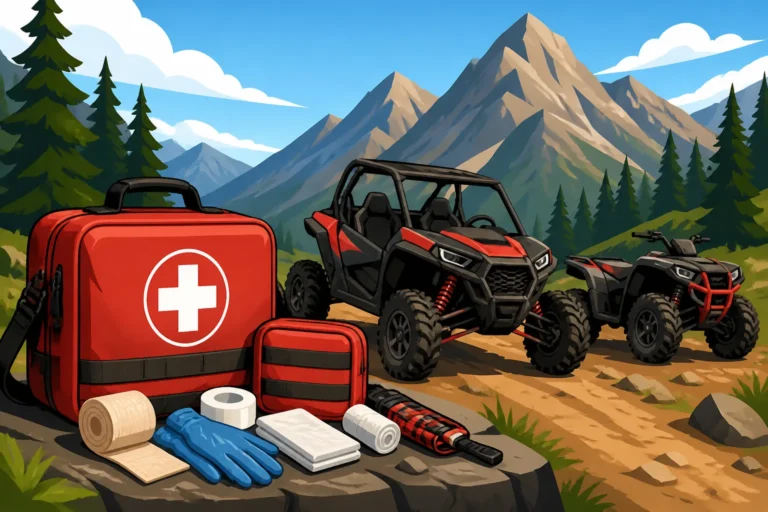
Bring water, snacks, warm layers, sun protection, and basic first-aid supplies, even if the forecast looks pleasant at the trailhead. Mountain weather can change quickly, and children may get cold or tired sooner than adults. A small comfort item—such as an extra pair of gloves or a familiar snack—can also help prevent a minor discomfort from becoming the reason everyone wants off the trail.
Make sure at least one adult knows how to use the vehicle’s basic controls and has a plan for a breakdown, flat tire, or blocked route. Carry the equipment appropriate to your machine and route, and know how you would contact help if phones have no service. Before leaving, tell someone outside the riding group where you plan to go and when you expect to return.
If you use onX Offroad to plan, check the map before you lose reception and make sure the route you’re viewing matches the route you intend to ride. A digital map is helpful, but it does not replace posted signs, closure information, or good judgment at an unexpected obstacle. Keep First Aid Far From a Trailhead in mind when deciding what supplies and skills your group needs, especially on a remote outing.
Make the ride enjoyable for kids from start to finish
Set expectations before the first mile
Children do better when they know what the ride will involve. Tell them roughly how long you expect to be out, when you’ll stop, what the helmet and restraints are for, and what they should do if they’re scared or uncomfortable. Avoid promising a specific destination or timing if trail conditions could change. A flexible plan is easier to adjust without making a child feel that the outing has gone wrong.
For a child operating a machine, practice away from traffic and obstacles before joining a longer ride. Review starting, stopping, turning, spacing, and how to follow the adult’s signals. Keep the group together at a pace that allows the child to respond safely. An adult should not ride far ahead and assume a child will simply catch up; visibility and communication matter, especially around bends or at intersections.
For passengers, explain how to sit and what to hold before moving. Let them know not to lean suddenly, grab the driver, or reach outside the vehicle. In a UTV, go over the seat belt, door or net, and agreed signal for stopping. A calm, clear briefing is more useful than a long lecture once everyone is tired and dusty.
Keep the day flexible and make stopping normal
Children may love the first hour and be done by the second. Hunger, heat, cold, dust, noise, and boredom all affect how well they handle a ride. Plan breaks before anyone is desperate for one, and pay attention to small signs of discomfort. If a child becomes unusually quiet, upset, or hesitant, stop somewhere safe and check in rather than pushing on automatically.
Choose stopping places carefully. Pull completely out of the travel path where possible, keep children close to the group, and watch for other riders and vehicles. A scenic viewpoint or easy turnaround can give everyone a chance to reset. If the route becomes more challenging than expected, don’t let the effort already spent getting there persuade you to continue into a section the family isn’t comfortable riding.
A good first outing doesn’t have to cover a lot of miles. It might mean learning how the family handles the machine, finding a comfortable pace, and discovering which gear or snacks worked. Afterward, talk about what everyone enjoyed and what felt difficult. That feedback can help you choose a better-fitting route next time, whether that means a shorter loop, a different vehicle, or a quieter riding area.
Use maps and local checks as part of the plan
A map can help you understand where the route goes, how sections connect, and where you may be able to stop or turn around. onX Offroad is one option families use to review routes before setting out, particularly when planning around unfamiliar trail networks. Check that your planned track is open and appropriate for your machine, and use signs and current local information to confirm what you see on the map.
Don’t let a route line on a screen make the decision for you at a difficult section. If a crossing, slope, or narrow stretch looks uncomfortable for your child or vehicle, pause and reassess. Map information supports your judgment; it doesn’t know how tired the kids are, whether a storm is building, or whether today’s conditions have changed the trail.
If you’re arranging a family ride in an unfamiliar area, also check staging and parking logistics before departure. A trailer that barely fits at a crowded trailhead can add a frustrating start or end to the day. Colorado Trailhead Parking and Staging can help you think through that part of the outing. A little preparation at home often means less stress when the children are already suited up and eager to ride.
Disclaimer
This article is for general informational purposes only and does not constitute professional advice. Laws, prices and regulations vary by location and change over time. Consult a qualified professional for guidance on your specific situation.