Inheriting an OHV in Colorado
Inheriting an off-highway vehicle in Colorado requires legal estate procedures and proper title updates for rightful heirs.
Start here, or nothing else is legal.
Resident registration, titling and renewal, and public-use versus private-land fees — plus the age and safety-course rules that decide who may ride.
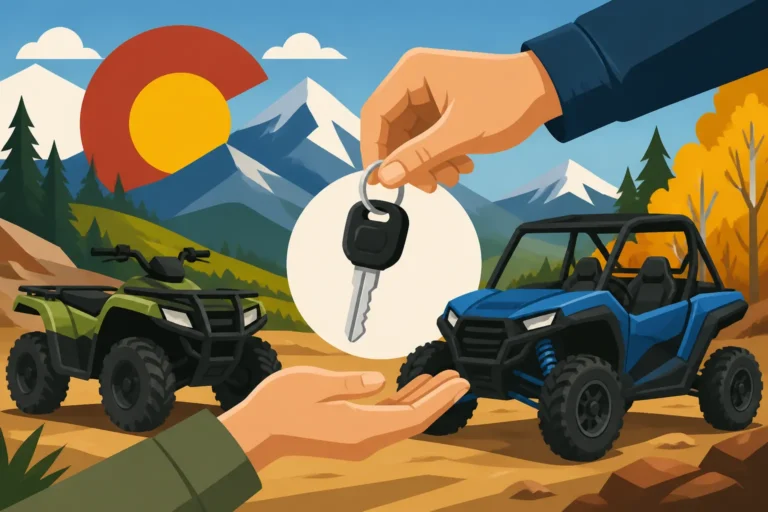
Inheriting an off-highway vehicle in Colorado requires legal estate procedures and proper title updates for rightful heirs.
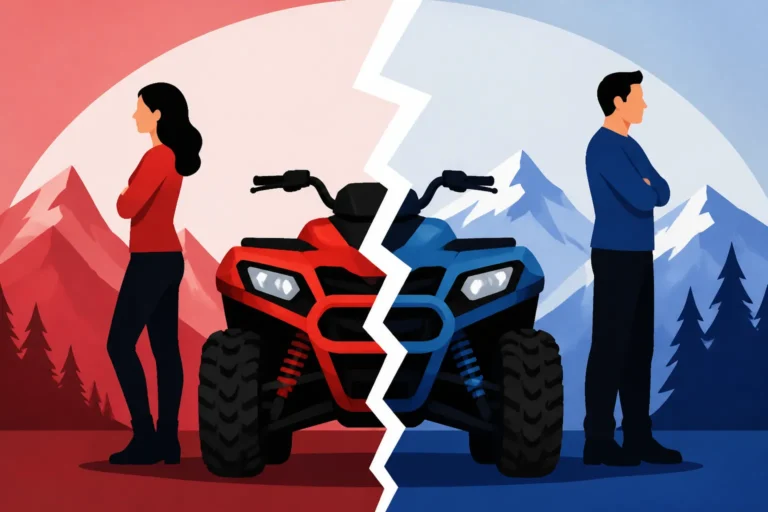
Colorado divorce laws determine how marital ATVs are divided through equitable distribution and vehicle title ownership.
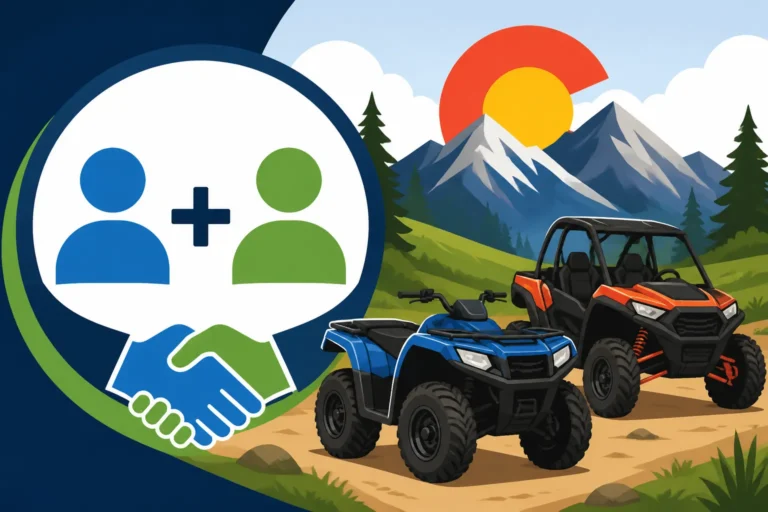
Colorado OHV registration with a partner establishes shared ownership, limits legal liability, and simplifies trailside verification.
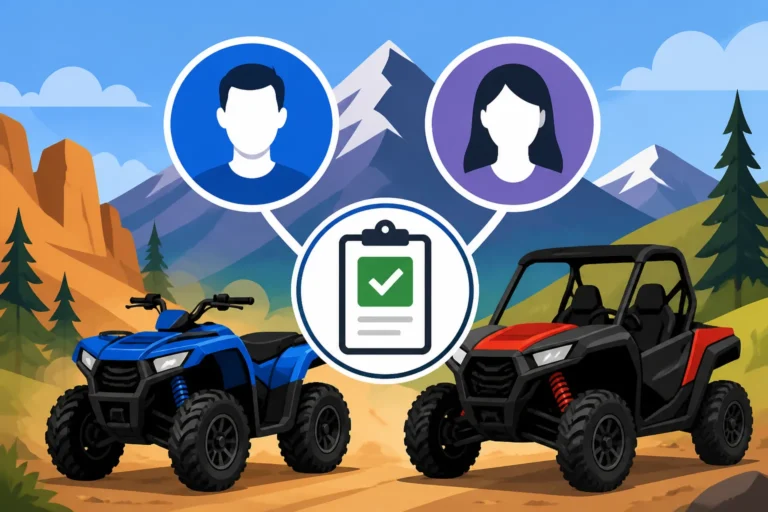
Colorado OHV dual registration procedures protect co-owners by ensuring clear legal ownership and simplifying insurance claims.
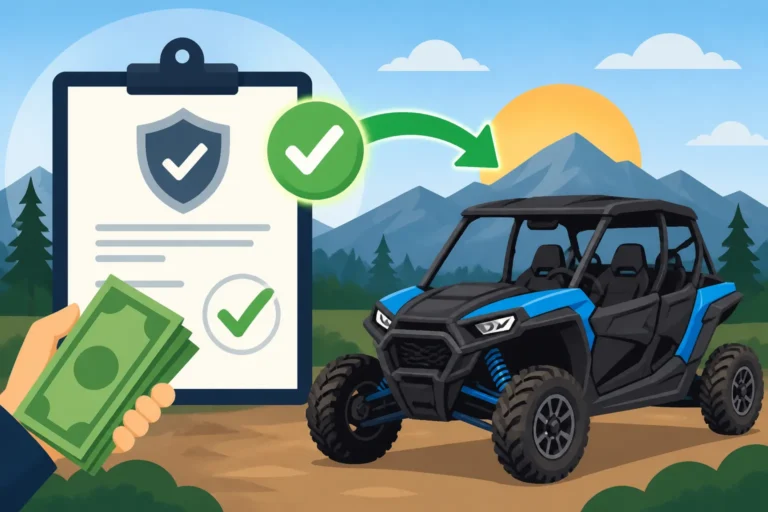
Colorado UTV lien release procedures explain how lenders remove financial claims so owners can secure clear titles.
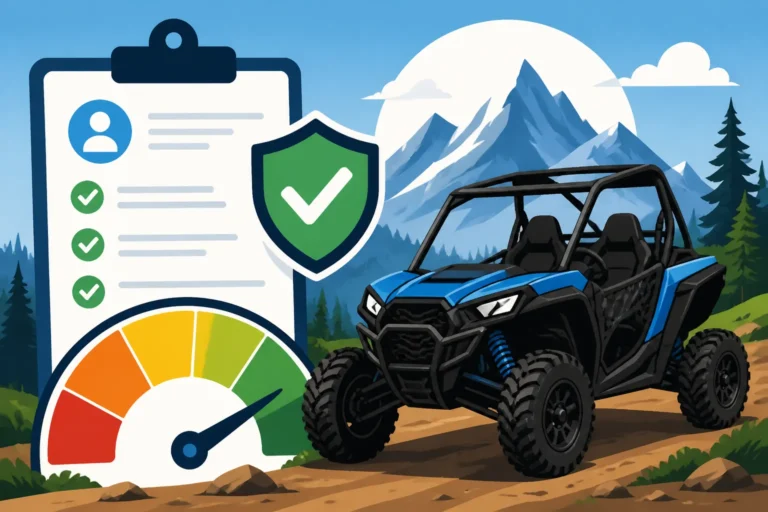
Credit score requirements for a UTV loan dictate financing terms, interest rates, and loan approval for off-highway vehicle buyers in Colorado.
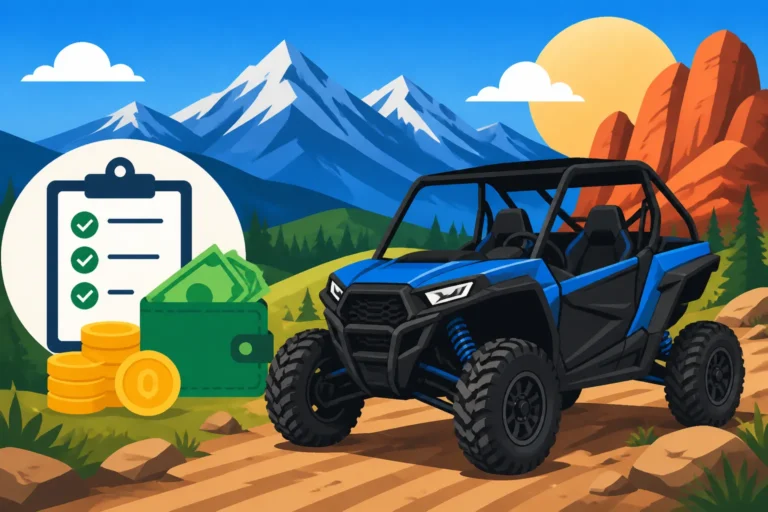
Financing a side-by-side in Colorado involves comparing dealership loans, credit unions, personal loans, and home equity lines of credit.
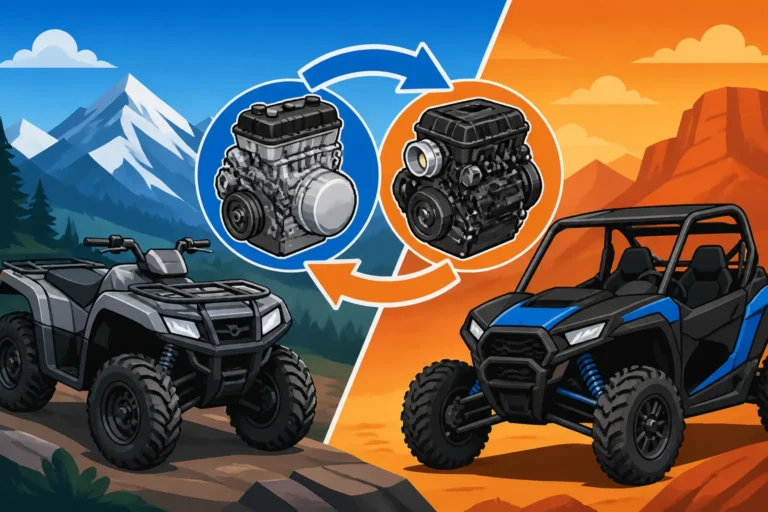
An engine swap for a Colorado ATV or UTV changes official records, affecting titles and vehicle registration status for riders.
Colorado homemade buggy registration requires proving ownership of components and obtaining a state assigned vehicle identification number.
A rebuilt title for an off-highway vehicle explains the insurance total loss and state safety inspection process in Colorado.