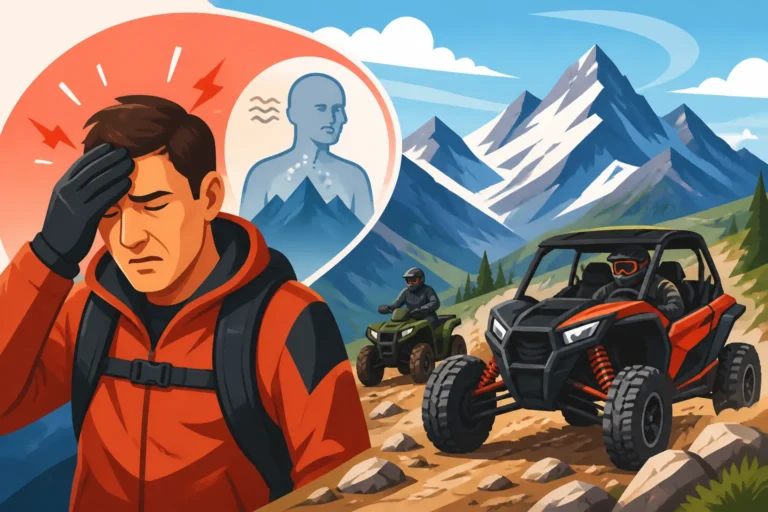
Best Month to Ride Colorado Passes
Colorado’s high mountain passes can be snowbound, muddy, or unexpectedly stormy even when the towns below feel warm and dry. For most ATV and UTV riders, August is the best all-around month for a Colorado pass trip, with July close behind. This guide explains why, what changes from month to month, and how to check whether your route is actually ready.
Why August is usually the best month
More time for snow to melt
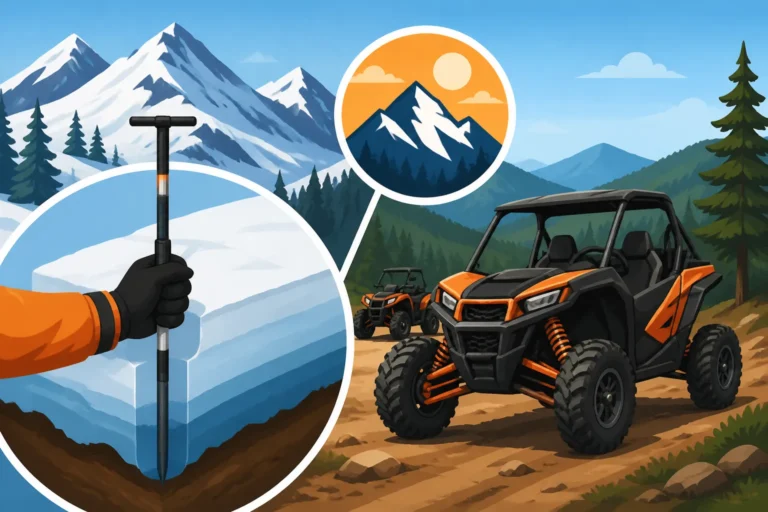
High-elevation routes can stay blocked by snow well after lower roads have cleared. A pass may look inviting at its entrance, then turn into a snowfield, a muddy stretch, or a closed gate farther up the route. That mismatch is frustrating when you have driven hours, booked a place to stay, or hauled a machine across the state.
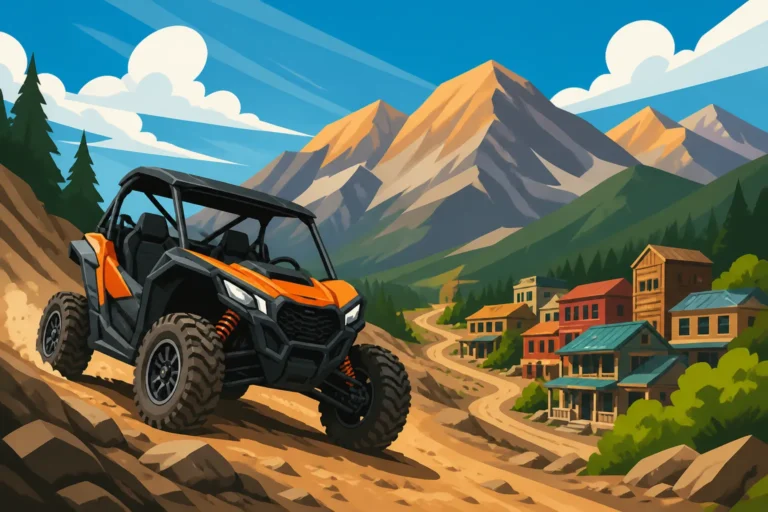
By August, many popular high-country routes have had more time to thaw and dry than they have in early summer. That makes it a strong choice for riders hoping to link mountain roads, reach a viewpoint, or explore historic sites around the San Juan Mountains. It is still not a guarantee: snowpack, storms, maintenance work, and local closures can affect individual routes.
This is why the best month depends partly on what you mean by “best.” If your priority is the broadest chance of finding open, rideable routes, August is a sensible starting point. If you want fewer people, fall color, or a particular event, another month may suit you better—but it calls for more flexibility.
A useful balance of access and riding conditions
August often gives riders a practical middle ground: more seasonal access than early summer, without the same degree of late-season uncertainty that can arrive as fall weather sets in. On routes such as Engineer Pass and Cinnamon Pass, conditions can differ between the two sides of the same high-country area. A road that is dry in one section may still have a wet, rocky, or snow-affected stretch farther along.
That is one reason a route plan should not rest on a single broad statement like “the pass is open.” Confirm the status of the particular road or trail you plan to ride, and look for recent local reports. Check [Colorado's High-Altitude Riding Season] for more context on how elevation and seasonal access shape a trip.
August also has its tradeoffs. Popular trailheads and mountain towns can be busy, especially on weekends. Afternoon weather can change quickly at elevation, so an early start and a turnaround time are more than scheduling preferences—they are useful safety habits. Read [Afternoon Thunderstorms on a Pass] before planning a long day above treeline.
July is an excellent alternative
July can be a great month for Colorado passes, especially later in the month when more snow has melted. It may be the better choice if your schedule is fixed or if you want a full summer trip and can accept that some routes may still be closed or rough. Early July and late July can feel like different seasons on a high pass, so the month alone does not tell the whole story.
If July is your only option, build a backup plan. Choose a second ride area at a lower elevation or keep a shorter route in reserve. If your first choice is closed, you will be glad you did not make the whole trip depend on one pass. [Colorado Trails Open in July] can help you think through the seasonal pattern, while [Checking Snowpack Before a Colorado Trip] is useful when lingering snow may determine whether a route is practical.
What to expect month by month
Colorado’s mountain riding season does not open everywhere at once. A route’s elevation, aspect, snowpack, drainage, maintenance, and land-management rules all matter. Treat the month-by-month guide below as a planning framework, not a promise that a particular road will be open.
| Month | Typical planning picture | Best fit | Main caution |
|---|---|---|---|
| May | Early-season conditions; many high routes may remain inaccessible or wet | Lower-elevation rides and flexible plans | Snow, mud, seasonal gates, and closures |
| June | Conditions begin improving, but access can vary sharply by route | Riders willing to check status and adjust | Lingering snow and soft, muddy surfaces |
| July | Strong summer option, with access often improving as the month goes on | Riders seeking a full summer trip | Early-month closures and busy weekends |
| August | Best all-around bet for many high-pass trips | Riders prioritizing seasonal access | Crowds, afternoon storms, and localized closures |
| September | Quieter riding and possible fall color | Flexible riders who can adapt to colder weather | Early snow, shorter days, and changing access |
| October | Shoulder-season riding at suitable locations | Experienced planners with low-elevation alternatives | High passes may close or become unsafe quickly |
May and June call for flexibility
May is generally a poor choice if your whole trip depends on reaching a high pass. Lower elevations can feel like spring while snow remains on the upper route. Meltwater can also make roads soft or rutted, and riding a wet route may damage the surface or create unpleasant conditions for everyone. A gate being open does not automatically mean a route is in good shape for the vehicle you are bringing.
June can offer better opportunities, but it is still a transition month. One route may be drying out while another nearby remains snowbound. If you are going in June, check the specific road, allow time for a backup ride, and avoid treating an old trip report as confirmation of present conditions. [Colorado Trails Open in June] and [Colorado Mud Season Closures From April to May] are useful reading when you are deciding whether an early-season trip is worth the gamble.
July and August are the core summer window
For many visitors, July and August are the most practical months to focus on. July may bring a slightly more variable experience, particularly early in the month, while August often offers a stronger chance that high-country routes have had time to open and dry. Neither month removes the need to check closures or weather.
This is also when trip planning can get crowded. If you are staying in a mountain town or staging near a popular route, consider riding on a weekday if your schedule allows. Start early, take more water than you think you need, and plan where you will turn around if weather or trail conditions change. The guide to [Planning a Colorado Riding Trip] can help you build a day around access, fuel, staging, and route length rather than focusing only on the pass name.
September and October reward adaptable riders
September can be a beautiful month for riding. Some routes are quieter than during the height of summer, and changing foliage can make the scenery especially memorable. But the weather is less predictable than a calendar label suggests. A warm morning does not rule out a cold, windy afternoon, and an early storm can affect access at higher elevations.
October is even more of a gamble for high passes. It may be pleasant at lower elevations while snow or freezing conditions make a high route unsuitable. Plan shorter rides, check conditions close to departure, and have a lower-elevation alternative. For seasonal expectations, see [Riding Colorado Trails in October] and [Colorado Trail Conditions Reports].
How to choose the right month for your kind of ride
If reaching a high pass is the main goal
Choose August as your first option, with July as a reasonable alternative if you have flexibility. Then verify the specific route shortly before you travel. The Alpine Loop, for example, includes more than one road and pass, and conditions or restrictions may not be identical across the whole area. The same principle applies elsewhere: do not assume that a nearby open route means your intended route is open too.
Check official closure information and route-specific updates, then compare them with a reliable map. onX Offroad can help you review mapped routes and understand where your planned ride fits into the surrounding network. It is a planning aid, not a substitute for current closure notices or signs on the ground.
If avoiding crowds matters most
Consider a weekday ride in July or August, or look at September if you are comfortable with changing weather and shorter daylight. A quieter trail can make for a more relaxed day, but less traffic does not necessarily mean better conditions. In shoulder season, fewer riders may also mean fewer recent reports about obstacles or surface changes.
Think about what “crowded” means for your group. A busy trailhead can complicate parking and staging, while a busy narrow road can make passing slower and less comfortable. Leaving early, choosing a less popular route, and keeping your group size manageable may solve more than changing months alone. You can use onX Offroad to compare route options and plan a backup, then confirm access with the relevant land manager.
If fall color or photography is the priority
September may be your best match, but treat the ride as a weather-dependent outing rather than a guaranteed high-pass adventure. The timing and intensity of fall color vary with conditions, and a cold snap can change the plan quickly. Pack warm layers, protect your hands from wind, and leave room in your schedule to stop without needing to rush back before dark.
A scenic plan should still be a safe plan. Choose a route that allows a sensible turnaround if clouds build or temperatures drop. Check the forecast for the elevation you will reach—not just the town where you are sleeping—and keep an eye on changing conditions while riding. [Riding Above Treeline in Colorado] offers more to consider when your route climbs into exposed terrain.
A practical checklist before you head out
Confirm the route, not just the region
“Open near Ouray” or “clear around Lake City” is not precise enough for a high-pass trip. Confirm the route number or road name, the section you intend to ride, and any closures or restrictions that apply. Seasonal dates on a map may help you understand the usual pattern, but they do not override a current closure order. For that distinction, review [Reading Seasonal Dates on an MVUM].
Use a route-planning tool such as onX Offroad to orient yourself and identify possible alternatives. Then cross-check the plan against official information and local signs. If the map and a closure notice disagree, follow the closure notice. Do not ride around a gate or continue into a section that is signed closed.
Prepare for weather and elevation
High-country conditions can feel very different from the weather in a nearby town. Carry layers, rain protection, water, basic first-aid supplies, and enough food for a longer day than expected. A route may take longer than its mileage suggests because of rough surfaces, traffic, stops, or careful driving.
Set a turnaround time before you leave. If clouds build, visibility drops, or the road becomes difficult for your machine or group, turning around is a sound decision—not a failed trip. Make sure everyone knows the planned route and backup plan, particularly if your group may separate or ride at different speeds.
Check your machine and your group’s limits
A high pass is not the place to discover that a tire is losing air or that a passenger is uncomfortable on rough terrain. Check tires, brakes, lights, fuel, and recovery equipment before leaving. Match the route to your vehicle’s width and capability, and be honest about the least experienced rider in the group.
For a multi-day visit, keep a lower-elevation option ready in case snow, rain, or a closure changes the plan. That way, a pass that is not rideable does not have to turn into a wasted vacation day. The most successful Colorado trip is not necessarily the one that reaches the highest point; it is the one where the group gets home safely and still enjoys the day.
Disclaimer
This article is for general informational purposes only and does not constitute professional advice. Laws, prices and regulations vary by location and change over time. Consult a qualified professional for guidance on your specific situation.