Do Licensed Vehicles Need a Colorado OHV Permit?
It’s a common point of confusion for so many of us who love hitting the trails in Colorado: you’ve gone through all the trouble to get your ATV or UTV licensed and plated, maybe you even made it "street legal" in another state, and you figure you’re all set for adventure. But then you hear whispers about an "OHV permit" and suddenly you’re left wondering if all that effort was enough. This guide is here to clear up that mystery and explain why, even if your vehicle has a license plate, you might still need that special Colorado OHV permit for your off-road excursions.
The Core Distinction: Plate Versus Permit
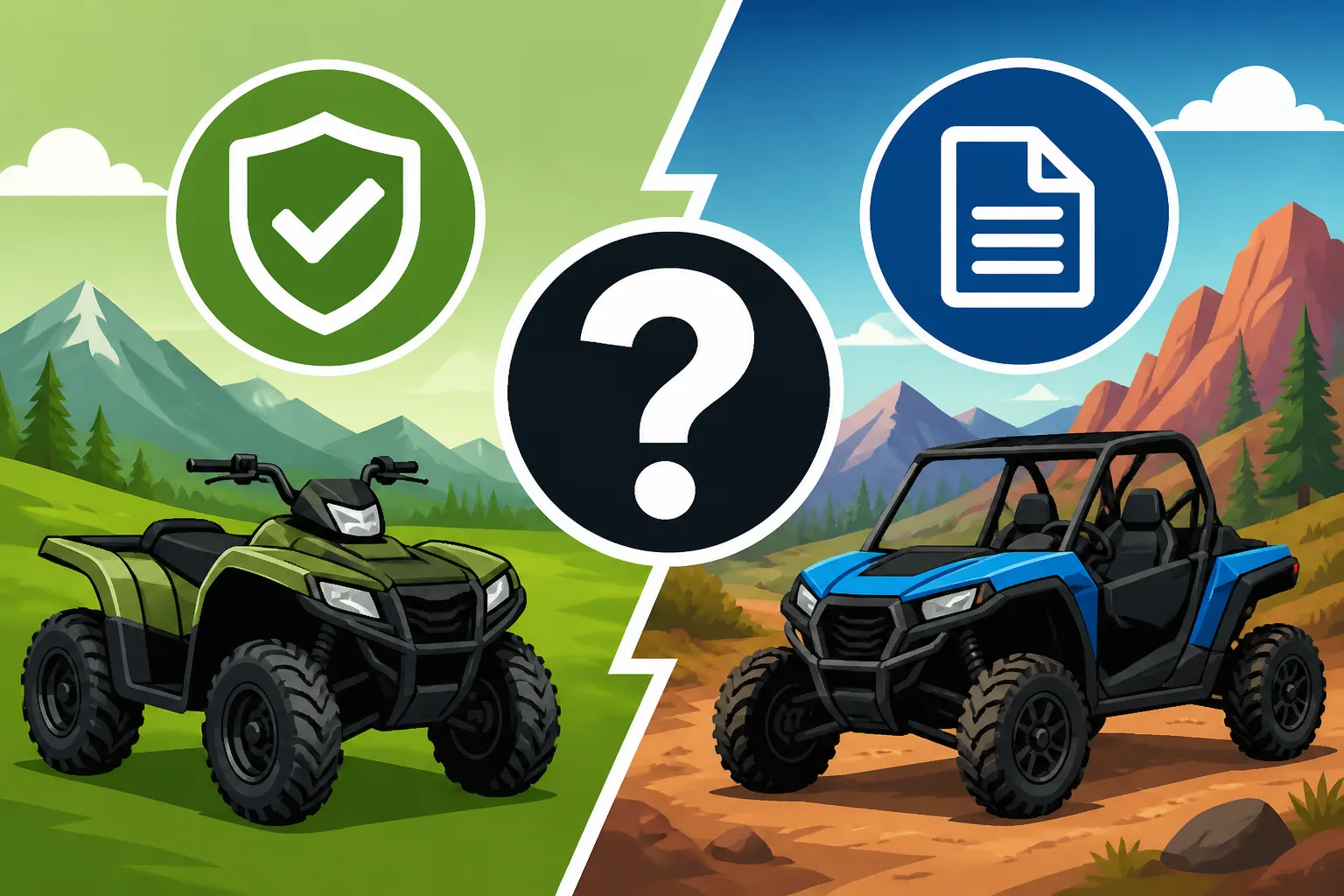
Let's cut right to the chase because this is where a lot of folks get tripped up. In Colorado, we essentially have two separate systems that govern how you can legally operate your off-highway vehicle (OHV), whether it's an ATV, UTV, or dirt bike. One system deals with on-road use, and the other deals with off-road use. And yes, they operate independently, which can feel a little redundant or frustrating at first glance.
What a License Plate Means
When you get a license plate for your vehicle, whether it's through the Colorado Department of Revenue (DOR) or another state’s equivalent, you’re primarily registering it for use on public roads and highways. This process confirms that your vehicle meets certain Department of Transportation (DOT) standards for roadworthiness – things like proper lighting, brakes, and usually emissions. For passenger cars and trucks, this is a straightforward process. For OHVs, however, it gets trickier. Colorado itself has very specific and limited rules for [Riding an OHV on the Road in Colorado], and largely, UTVs and ATVs are not plated for general street use here.
If you have a plated UTV, chances are it's either an older model, a very specific type of utility vehicle, or it was plated in a different state that has more lenient "street legal" laws for OHVs. In those cases, the license plate allows you to operate on paved roads and highways where OHVs are typically allowed. It's about road access and adhering to traffic laws, much like any other automobile. But what a license plate doesn't do is automatically grant you access to designated off-highway vehicle trails or open riding areas managed by Colorado Parks and Wildlife (CPW) or federal agencies like the Forest Service and BLM.
What a Colorado OHV Permit Funds
The Colorado OHV permit, on the other hand, is a completely different beast. This permit, often referred to as an "OHV registration sticker," is issued by Colorado Parks and Wildlife (CPW), not the Department of Revenue. Its primary purpose isn't about street legality; it's about funding and supporting the vast network of OHV trails, riding areas, and enforcement efforts across our beautiful state. When you purchase this permit, your money goes directly into programs that maintain trails, educate riders, and provide law enforcement presence to ensure safe and responsible riding.
Think of it this way: your license plate helps keep you legal on the pavement, while your OHV permit helps keep the trails open and enjoyable for everyone. These funds are absolutely vital for preserving the places we love to ride. Without these dedicated fees, many of the trails we take for granted would quickly degrade, become unsafe, or even be permanently closed. Understanding this distinction is the first step in avoiding any unwanted run-ins with rangers or finding yourself facing a fine for non-compliance. [Colorado Parks and Wildlife OHV Registration Explained] goes into more detail about how this system works.
When Your Plated Vehicle Still Needs a Permit
This is the big question everyone asks: "I have a license plate from Utah/Arizona/Texas, or even a Colorado plate on my older dual-sport bike; do I still need a CPW OHV permit to ride trails here?" And the answer, almost universally, is a resounding yes, if you're riding off-highway on public lands in Colorado.
Public OHV Trails and Designated Areas
If your plan involves riding on any designated OHV trail, route, or open riding area that is on public land in Colorado—be it National Forest, BLM land, State Parks, or other managed areas—your plated vehicle will almost certainly need a current Colorado OHV permit. It doesn't matter if your side-by-side has a valid license plate from another state allowing it to be street legal there, or if your dirt bike is legally plated as a dual-sport here in Colorado. If those wheels touch dirt on a managed OHV trail, that green CPW sticker needs to be affixed to your machine.
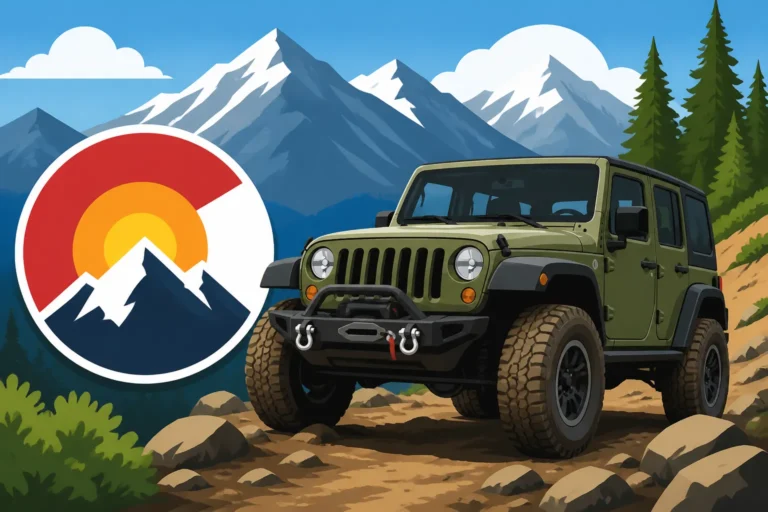
This requirement stems from the funding model. The trail systems you’re enjoying are maintained by funds generated through these permits. A license plate, regardless of its origin, doesn't contribute to Colorado's OHV program. The state and federal agencies here want to ensure that all users who benefit from the trails are contributing to their upkeep. It’s a matter of fairness and sustainability for the riding community. [Colorado OHV Permit Rules on Public Land] clarifies this further, explaining that even fully licensed street-legal vehicles, like Jeeps or licensed four-wheel-drive trucks, require the permit if they venture onto trails specifically designated for OHV use.
Exceptions and Common Misconceptions
There are, of course, a few nuances and misconceptions that often pop up. One common scenario involves out-of-state machines. While some states have reciprocity agreements with Colorado regarding registrations, this often applies to vehicles like snowmobiles or boats, not necessarily OHV permits for trail use. Many riders mistakenly believe their out-of-state "street legal" plate covers all bases. While it might allow you to traverse certain county roads or designated town routes in Colorado, it does not bypass the need for an OHV permit on the trails. Colorado has specific rules for [Colorado Rules for Out-of-State Street-Legal Machines] and generally expects all machines on its public OHV trails to be permitted.
Another area of occasional confusion is riding on private land. If you own private land, or have express written permission from a landowner to ride exclusively on their private property, you generally do not need a Colorado OHV permit. The permit system is designed for public land access and resource management. However, the moment you transition from private land onto a public trail or road that requires a permit, you must have it. For instance, if you're leaving a friend's ranch to access a Forest Service trail, you need that sticker. Similarly, vehicles used strictly for agricultural purposes on a farm or ranch may have exemptions from some OHV rules, but these are very specific and usually don't apply to recreational riding.
Why This Dual System Exists
It can seem like a bureaucratic tangle, having both a plate and a permit, especially if you've already invested in making your machine street-legal. But once you understand the underlying reasons, it makes a lot more sense from a resource management perspective. It's all about ensuring the long-term health and accessibility of our beloved riding areas.
Funding Trail Maintenance and Safety
The most critical reason for the Colorado OHV permit is simple: money. Maintaining thousands of miles of OHV trails, building bridges, installing signage, cleaning up campsites, and mitigating erosion all cost a significant amount of money. The fees collected from OHV permits are specifically earmarked for these purposes through the Colorado Parks and Wildlife OHV program. This dedicated funding ensures that the trails we ride are safe, sustainable, and remain open for future generations. It’s also used for things like search and rescue efforts, educational programs for riders, and even grant programs that local OHV clubs can apply for to perform trail work.
Without the permit system, the burden of trail maintenance would fall to general state funds, which are already stretched thin. By requiring a permit for all machines on designated public trails, Colorado ensures that the users who directly benefit from these resources are the ones contributing to their upkeep. This system is a vital feedback loop: you pay for the permit, the money goes to trails, and you get to enjoy better trails. Many companies, like SuperATV, who produce aftermarket parts and accessories for OHVs, benefit from the continued existence of these trails, indirectly supported by these permits.
Enforcement and Consequences of Non-Compliance
Another crucial aspect of the permit system is enforcement. Rangers, Forest Service personnel, and other law enforcement officials patrol trailheads and riding areas to ensure compliance. They're not just looking for reckless riding; they're also checking for valid permits. When you encounter [Colorado Ranger Checks at a Trailhead], having your permit (or proof of purchase if you're waiting for it to arrive) is key.
Operating on a designated OHV trail without a permit can lead to a citation and a fine. These penalties are not just a slap on the wrist; they're designed to encourage compliance and reinforce the funding mechanism. Beyond monetary penalties, repeated violations can sometimes lead to more severe consequences, like losing riding privileges. It's a system designed to be fair to everyone: contribute to the trails, and you get to ride them. If your vehicle is plated but lacks the OHV permit, you're essentially riding for free on a system that others are paying to maintain. The goal isn't to be punitive but to protect the resource and ensure its longevity. [Penalties for an Unregistered OHV in Colorado] can be quite substantial, so it's always best to be prepared.
At the end of the day, whether you're bringing an out-of-state side-by-side or riding a Colorado-plated dual-sport, if you plan to hit the incredible off-highway trails that Colorado offers, getting that OHV permit from Colorado Parks and Wildlife is non-negotiable. It's a small investment that pays huge dividends in the form of well-maintained trails and continued access to some of the most spectacular riding country in the nation. Don't let the confusion about plates versus permits keep you from enjoying Colorado's backcountry – just make sure you're covered on both fronts!
Disclaimer
This article is for general informational purposes only and does not constitute professional advice. Laws, prices and regulations vary by location and change over time. Consult a qualified professional for guidance on your specific situation.