Seat Belts in a Side-by-Side
Riding a side-by-side in Colorado offers an incredible sense of freedom, whether you're tackling high mountain passes or cruising a designated county road. However, many riders find themselves scratching their heads when it comes to seat belt requirements, especially with the evolving rules about where these machines can legally operate. This guide aims to clear up all that confusion, helping you understand when, why, and how to properly buckle up to stay safe and compliant on Colorado's diverse terrain and roads.
The Basics of Seat Belt Requirements for Side-by-Sides in Colorado
Let's cut right to the chase: seat belts are a non-negotiable safety feature in side-by-sides, and Colorado takes rider safety seriously. While the immediate thought might be "just buckle up," the nuances often come down to where you're riding and who is in the machine. It's not always as simple as it sounds, especially when you consider the difference between a dedicated off-road trail and a town's street.
When You're On Designated Trails and Off-Highway Areas
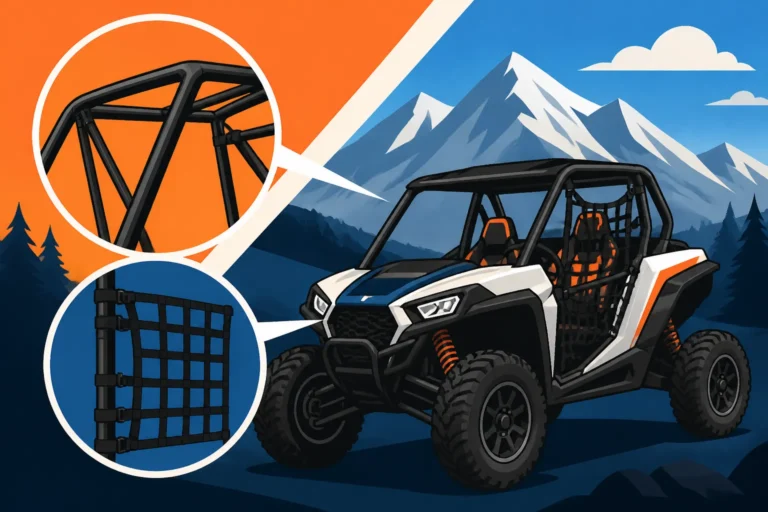
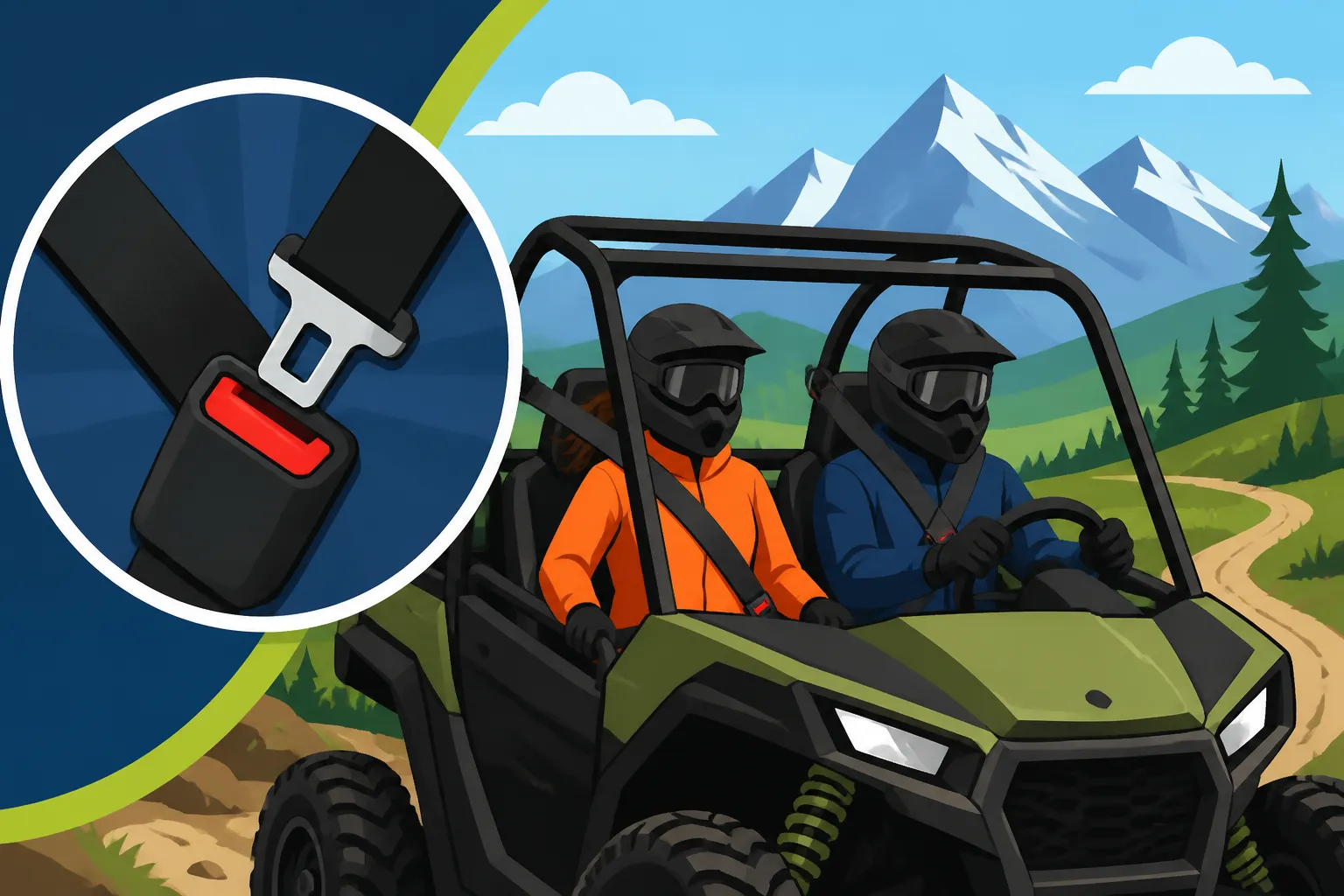
When you're out on the vast network of Colorado's OHV trails, whether it's the gnarly rocks of the Alpine Loop or the sprawling forest roads near Taylor Park, seat belts are required. Your side-by-side, by its very design, has a roll cage and often comes equipped with three-point or sometimes four-point harnesses from the factory. These aren't just for show; they're your primary restraint system in the event of a rollover, sudden stop, or collision. Even if you're just putting around at low speeds on a relatively flat forest service road, the unexpected can happen. A hidden rut, a slick patch of mud, or even another trail user can quickly turn a calm ride into a precarious situation. Always assume that if your machine has a seat belt, it's there to be used. It's about personal safety and mitigating the risk of being ejected from the vehicle, which can lead to much more severe injuries.
Navigating County Roads and Permitted Town Streets
This is where things can get a bit more complex, as Colorado has made strides in recent years to allow OHVs on certain county roads and within the limits of some trail-friendly towns. The critical distinction here is that once your side-by-side moves onto a public road that's been designated for OHV use—whether it's a dirt county road or a paved street in a town like Lake City—it often becomes subject to the same traffic laws as other motor vehicles. This includes seat belt laws. If your side-by-side is allowed on these roads, all occupants must be properly restrained, just as they would be in a car or truck. The state's general motor vehicle code regarding seat belt use typically applies. This means that if you're stopped by a sheriff or park ranger, they'll be looking to see if everyone is buckled in. For more information on road usage, check out [Colorado County Roads Open to OHVs]. The goal of these road-opening ordinances is to connect trails and allow riders to access amenities, but with that privilege comes the responsibility of adhering to basic road safety regulations.
The Gray Areas: When Rules Might Seem Conflicting
Sometimes, the lines can feel a little blurry. For instance, what if you're on a private ranch with written permission to ride, but you briefly cross a county road to get to another section of the property? While private land riding often has fewer state-level regulations, as soon as your tires touch a public thoroughfare, even for a moment, the public road rules kick in. This is why understanding the specific ordinances in the counties and towns you plan to ride through is paramount. Some areas might have additional requirements, while others are more relaxed about short crossings. However, when it comes to seat belts, the safest and most compliant approach is always to buckle up any time the machine is in motion, regardless of the perceived "gray area." It eliminates any doubt and prioritizes safety above all else. Remember, law enforcement officers prioritize safety, and an unbuckled occupant, especially a child, can draw immediate attention.
Understanding Seat Belt Types and Aftermarket Options
While every new side-by-side comes with factory-installed seat belts, many riders, especially those who push their machines harder or frequently ride challenging terrain, choose to upgrade their restraint systems. This isn't just about looking "racy"; it's often a crucial safety enhancement.
Factory-Installed Belts vs. Aftermarket Upgrades
Most side-by-sides roll off the assembly line with a three-point lap and shoulder belt system, similar to what you'd find in a passenger car. These are designed to meet basic safety standards and are perfectly adequate for many riders under typical trail conditions. However, the off-road world is far from typical. Aftermarket seat belts often come in the form of 4-point, 5-point, or even 6-point harnesses. A 4-point harness adds an extra shoulder strap, securing both shoulders independently. A 5-point harness includes a strap that comes up between the legs, preventing "submarining" (where your body slides down under the lap belt in a collision). A 6-point harness adds a second anti-submarine strap for even greater security. Brands like SuperATV offer a variety of these upgraded harness systems designed specifically for popular side-by-side models. They are built to withstand the rigorous demands of off-road use, offering superior containment compared to standard three-point belts.
Why Upgrade? Enhanced Safety and Comfort
The primary reason to upgrade to a multi-point harness is significantly enhanced safety. In the event of a rollover or severe impact, a 4- or 5-point harness distributes impact forces more evenly across the body, reducing the likelihood of head, neck, and spinal injuries. It keeps you much more securely planted in your seat, preventing you from being tossed around inside the roll cage or ejected from the vehicle. This added security can be particularly important on technical trails where sudden jolts and jarring movements are common. Beyond safety, there's also the aspect of comfort and control. When you're held firmly in your seat by a good harness, you're not constantly bracing yourself with your arms and legs. This reduces fatigue, allows for better control of the steering wheel and pedals, and ultimately makes for a more enjoyable and less tiring ride. [Roll Cage and Net Requirements] are also important to consider when thinking about overall occupant protection.
Installation Considerations and Compatibility
Upgrading your side-by-side's seat belts isn't usually a simple plug-and-play process. While many aftermarket harnesses, including those from SuperATV, are designed to be bolt-in installations for specific machine models, they often require proper mounting points and sometimes specialized hardware. It's crucial to ensure that any aftermarket harness system you install is compatible with your machine's roll cage and seating configuration. Improper installation can compromise the effectiveness of the harness, potentially making it less safe than the factory belts. Many aftermarket harnesses require an appropriate harness bar or specific mounting brackets to ensure the shoulder straps are at the correct angle to your body. Too high or too low, and they won't provide optimal protection. If you're not comfortable with the installation yourself, it's always best to have a reputable powersports dealer or an experienced mechanic perform the upgrade. Investing in quality harnesses is a sound decision, but ensuring they're installed correctly is just as vital.
| Feature | Factory 3-Point Belt | Aftermarket 4/5/6-Point Harness |
|---|---|---|
| Primary Use | General trail riding, light recreational use | Aggressive trail riding, racing, improved safety |
| Containment | Good, allows some body movement | Excellent, minimizes body movement within the seat |
| Impact Force | Concentrated on lap and shoulder | Distributed across chest, hips, and sometimes groin |
| "Submarining" | Possible in severe impacts | Prevented with crotch strap(s) in 5/6-point designs |
| Comfort | Adequate for casual riding | Enhanced stability, reduces fatigue on rough terrain |
| Installation | Standard, pre-installed | Often requires specific mounting points, harness bar |
| Cost | Included with machine | Additional investment, varies by brand and type |
Colorado's Stance on Child Passengers and Seat Belts in OHVs
When children are involved, Colorado's rules, while not always explicitly OHV-specific for every detail, lean heavily on general child safety laws and common sense. Keeping our youngest riders safe is paramount, and it puts an extra layer of responsibility on the adult driver.
Age and Size Requirements for Young Riders
Colorado law generally states that children should be properly restrained in an OHV. While there isn't a specific OHV law that mirrors the detailed car seat laws for passenger cars regarding age, weight, and height, the underlying principle of ensuring a child's safety is the same. For children riding on public roads where OHV use is permitted, the general rules for [Colorado OHV Road Rules for Young Riders] come into play, which emphasize supervision and appropriate machine size. For any child passenger in a side-by-side, they must be able to sit upright and be properly secured by the machine's restraint system. If a child is too small for the factory seat belts to fit correctly, an appropriate child restraint device is absolutely necessary. It's a question of physical fit and protection rather than just simply meeting a minimum age.
Car Seats, Boosters, and Proper Restraint Systems
For very young children, standard automotive car seats or booster seats may be necessary in a side-by-side to ensure the factory seat belt fits them properly. However, not all car seats are designed for the rigors of off-road use, or for the unique seating configurations of an OHV. It's essential to choose a car seat or booster that can be securely installed and will effectively work with the vehicle's seat belt system. The goal is to prevent the child from moving around excessively or from "submarining" under the lap belt. Many OHV enthusiasts with families will invest in specialized youth harnesses or smaller aftermarket seats designed specifically for side-by-sides, which can be integrated into the machine's safety cage. This ensures a snug and secure fit that a standard car seat might not achieve. Always double-check that the child restraint is firmly anchored and that the child is comfortable and properly buckled in before every ride.
The Driver's Responsibility for Passenger Safety
As the driver of a side-by-side, you bear the ultimate responsibility for the safety of all your passengers, especially children. This includes ensuring that everyone is properly buckled in with seat belts that are in good working order and appropriately adjusted for their size. Before you even start the engine, do a quick check to confirm everyone's harness is secure and that no one has forgotten to buckle up. This is particularly crucial when navigating rough terrain or when you're preparing to enter a section of county road where law enforcement may be present. A quick, stern reminder to "buckle up" can prevent a potential citation and, more importantly, a preventable injury. Educating your passengers, particularly teenagers, about the importance of wearing their seat belts and obeying the [Colorado Alcohol Limits for OHV Operators] if they are of age, contributes to a safer and more responsible riding environment for everyone.
Best Practices for Seat Belt Safety and Compliance
Beyond just knowing the rules, adopting best practices for seat belt care and use can significantly enhance your safety and ensure you're always ready for your next Colorado adventure. It’s about proactive maintenance and mindful riding habits.
Regular Inspection and Maintenance of Belts
Like any critical safety component, seat belts require regular inspection. Before each riding season, or even before a major trip, take a few minutes to visually inspect all seat belts and harnesses in your side-by-side. Look for any signs of fraying, cuts, or tears in the webbing. Check the buckles to ensure they latch and unlatch smoothly and securely. Any damage to the webbing or a malfunctioning buckle means the belt's integrity is compromised, and it should be replaced immediately. If you've ever been in an incident, even a minor one like a hard stop or a low-speed tip-over, it's wise to inspect the belts extra carefully or even consider replacing them, as the webbing can stretch or the mechanism can be damaged without visible signs. Keeping them clean and free of mud and debris also helps prevent wear and tear on the mechanisms.
The Importance of Proper Fit and Adjustment
A seat belt is only as effective as its fit. For factory three-point belts, ensure the lap belt sits low across the hips, not up on the stomach, and the shoulder belt crosses the center of the chest and shoulder, not digging into the neck or slipping off the shoulder. For multi-point harnesses, proper adjustment is even more critical. The shoulder straps should be routed over the shoulders and ideally pull down slightly from behind, usually through a harness bar. The lap belts should be tight across the hips, and the crotch strap(s) should be snug but not uncomfortable. There should be minimal slack. A properly adjusted harness keeps you secure without restricting your movement to operate the controls effectively. Some riders use harness pads, often from brands like SuperATV, which can add comfort and prevent chafing, encouraging consistent use. Don't just buckle up; buckle up correctly.
Avoiding Common Mistakes and Potential Penalties
One of the most common mistakes riders make is assuming that because they're "just going a short distance" or "just on private land," they don't need to buckle up. This is a dangerous assumption. Most accidents happen unexpectedly, and often close to home or at low speeds. Another mistake is modifying seat belt systems without understanding the safety implications. Tampering with factory-installed belts or using aftermarket harnesses that aren't properly installed can render them ineffective. If you are caught riding on public roads or designated trails with unbuckled passengers or non-functional seat belts, you could face [Colorado Citations for Road Riding] or fines. These penalties are not just about revenue; they're designed to reinforce the critical importance of safety. Don't give a ranger or sheriff a reason to pull you over; make buckling up a habit for everyone in your side-by-side, every single time you ride.
Disclaimer
This article is for general informational purposes only and does not constitute professional advice. Laws, prices and regulations vary by location and change over time. Consult a qualified professional for guidance on your specific situation.