Carrying a Passenger on a Quad
The open trails and stunning mountain vistas of Colorado beckon, and for many, the dream is to share that adventure with a friend or family member right there on the machine with them. However, when it comes to carrying a passenger on an off-highway vehicle (OHV), especially a quad (ATV), there are crucial safety considerations and very specific rules in Colorado that riders often overlook. This guide will meticulously break down what you need to know to ensure everyone stays safe and legal, helping you avoid common mistakes and potential fines.
Understanding Passenger Rules: Quads vs. Side-by-Sides in Colorado
This is perhaps the most important distinction to grasp when you’re thinking about bringing a passenger along on a Colorado OHV adventure. The rules for carrying passengers differ dramatically between ATVs (quads) and UTVs (side-by-sides), largely due to their design. It's not just a suggestion; it's often a matter of law and, more importantly, safety.
The Single-Rider ATV Standard
Most ATVs, the traditional quad bikes, are designed and manufactured for a single operator only. They typically have a seat designed for one person, with handlebars and foot pegs positioned for optimal control by that individual. This isn't just a comfort thing; it's about the physics of riding. An ATV requires the rider to shift their weight significantly to steer, absorb bumps, and maintain balance, especially on uneven terrain. Adding a passenger, even a small one, completely alters the machine's center of gravity and the operator's ability to react safely. It's incredibly challenging, if not impossible, for the operator to properly lean and shift with a passenger on board.
For this very reason, Colorado law, like that in many other states, generally prohibits carrying passengers on ATVs that are not specifically designed for two riders by the manufacturer. If your quad only has one seat and is not explicitly labeled or designed by the factory as a "two-up" or "tandem" model, attempting to carry a passenger on public lands or designated trails in Colorado is usually illegal and highly unsafe. This often leads to fines and can invalidate your insurance in the event of an accident. It's a common misconception, but a single-rider ATV means exactly that – single rider.
Manufacturer-Designed "Two-Up" ATVs
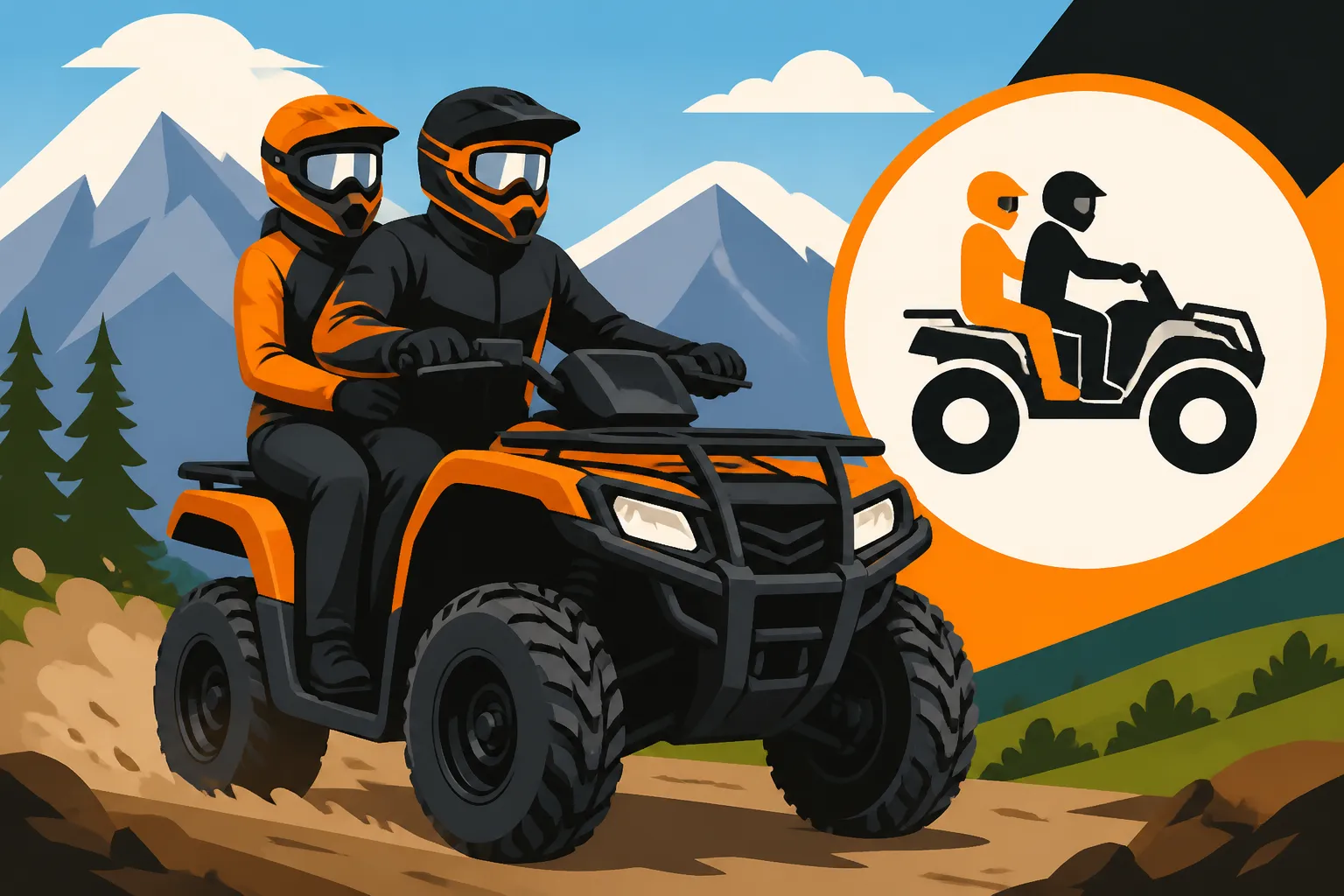
There are, however, specific ATV models that come from the factory with a longer seat and often designated passenger handholds and footrests, explicitly designed to accommodate two riders. These are sometimes called "two-up" or "tandem" ATVs. If you own one of these machines, then carrying a passenger is permissible under Colorado law, provided all other safety and legal requirements are met.
These specialized two-up ATVs are built with a more extended wheelbase and suspension designed to handle the additional weight and altered dynamics of a second person. They allow the passenger to sit securely behind the operator, with proper support and places to hold on. If you’re considering buying an ATV with the intention of carrying a passenger, always ensure it is a factory-built two-up model. Don't try to jury-rig a single-rider ATV with aftermarket seats, as this doesn't change its fundamental design limitations or legal status.
Side-by-Sides: Built for Multiple Occupants
Side-by-sides (UTVs) are an entirely different beast when it comes to passengers, and they are increasingly popular in Colorado because of this very feature. UTVs are explicitly designed to carry multiple occupants, typically with bucket seats or bench seats, seatbelts, and often a roll cage for protection. They operate more like a small car than a traditional ATV, with a steering wheel and foot pedals.
For UTVs, the general rule is that you can carry as many passengers as there are designated seating positions with factory-installed seatbelts. So, if your side-by-side has two bucket seats and two seatbelts, you can carry one passenger. If it has a bench seat with three seatbelts, you can carry two passengers. It's critical to respect these manufacturer-defined limits. Overloading a UTV, even if it feels like there's enough room, can compromise its handling, braking, and stability, especially on steep or rough Colorado trails. Never exceed the manufacturer's stated passenger capacity or the number of seatbelts installed.
For those looking to enhance the safety and functionality of their side-by-side, especially if carrying passengers regularly, aftermarket accessories can play a big role. Brands like SuperATV offer a range of products from upgraded harnesses to improved roll cage components that can contribute to a safer passenger experience. [Seat Belts in a Side-by-Side] is a great resource if you’re looking to understand these better.
Essential Safety Gear and Practices for All OHV Passengers
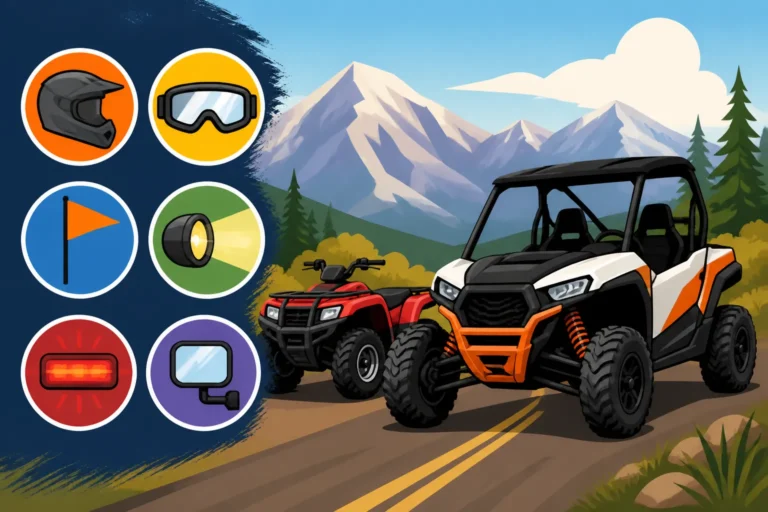
Regardless of whether you're riding a two-up ATV or a multi-passenger UTV, safety should always be your top priority. Colorado has specific requirements for safety gear, and beyond the legal minimums, common sense practices can significantly reduce the risk of injury for yourself and your passengers.
Helmets and Eye Protection: Non-Negotiable
In Colorado, if you're riding an OHV on public lands or designated routes, helmets are required for all riders under the age of 18. This applies to both operators and passengers. For adults 18 and over, helmets are not legally mandated statewide on public trails, though they are always highly recommended. Many experienced riders in Colorado's challenging terrain will tell you a helmet is a must for everyone, regardless of age. The risks of head injury in an OHV accident are substantial, and the majestic views aren't worth permanent damage.
Eye protection is also a critical component of safety gear. Goggles or a face shield on a helmet are essential for protecting your eyes from dust, debris, insects, and branches, which are abundant on Colorado trails. Without proper eye protection, an unexpected obstacle can quickly impair your vision, leading to a loss of control. [Colorado Helmet and Eye Protection: What Is Actually Required] and [Helmets for Adults on Mountain Trails] delve deeper into these requirements.
When selecting helmets, ensure they are DOT (Department of Transportation) compliant. This certification indicates the helmet meets minimum safety standards for impact protection. For passengers, ensure their helmet fits snugly and comfortably, without obscuring their vision.
Seatbelts and Restraints: Use Them!
For side-by-sides, seatbelts are not just a feature; they're a requirement. Every occupant in a UTV must use the factory-installed seatbelt or restraint system designed for their seating position. These restraints are engineered to keep you contained within the protective roll cage of the machine in the event of a roll-over or sudden stop. Failing to wear a seatbelt can result in ejection from the vehicle, which dramatically increases the risk and severity of injuries.
Even if your UTV has a bench seat, ensure each person has their own designated seatbelt. Never attempt to "double up" a single seatbelt between two people. For added safety, some riders choose to upgrade to 4-point or 5-point harness systems, particularly if they engage in more aggressive riding or navigate extremely challenging terrain. Companies like SuperATV offer these types of upgraded harnesses that provide superior retention compared to standard automotive-style belts.
Supervision for Youth Passengers
When it comes to young passengers, Colorado has specific age and supervision rules. Generally, children under the age of 10 are prohibited from operating an OHV on public roads designated for OHV use. While this primarily applies to operators, it underscores the cautious approach Colorado takes with youth and OHVs.
For youth passengers, the supervising adult plays a critical role. The supervising adult must be 18 years or older, have a valid driver's license (if operating on a designated road), and be capable of providing adequate supervision. It’s not enough to simply have a child on board; you need to ensure they are properly secured, have appropriate gear, and understand basic safety commands. [Who May Supervise a Young Colorado Rider] offers a comprehensive look at these responsibilities. When planning a family ride, always consider the capabilities of the youngest passenger and choose trails appropriate for their experience and comfort level. You might also want to consult [Youth Machine Engine Sizes Colorado Families Choose] to understand machine capabilities for young riders.
Table: OHV Passenger Safety Checklist
Here's a quick checklist to ensure you're ready to hit the trails safely with your passengers in Colorado:
| Item | ATVs (2-Up Models Only) | UTVs (Side-by-Sides) | Notes |
|---|---|---|---|
| Manufacturer Design | Must be factory 2-up | Designed for multi-occupant | Never exceed design capacity. |
| Helmet (Under 18) | Required | Required | Highly recommended for adults too. |
| Helmet (18 and over) | Recommended | Recommended | Legally optional on public trails, but strongly advised. |
| Eye Protection | Required | Required | Goggles or face shield for all occupants. |
| Seatbelts/Restraints | N/A (except for 2-up if equipped) | Required for all seats | All factory seatbelts must be worn. Upgrade for enhanced safety. |
| Foot Rests/Handholds | Designated for passenger | Designated for passenger | Ensure passengers can comfortably reach and use them. |
| Supervision (Youth) | Yes | Yes | Adult 18+ with valid license (if on road) must supervise. |
| Proper Attire | Recommended | Recommended | Long pants, long sleeves, sturdy shoes for all. |
Navigating Colorado's Roads and Trails with Passengers
Colorado offers an incredible network of OHV-friendly trails and roads, but understanding where and how you can ride with passengers is key to a smooth and legal experience. The rules can vary depending on the type of public land (Forest Service, BLM, county roads) and even specific local ordinances.
Designated OHV Trails and Public Lands
Most designated OHV trails and open riding areas on Forest Service and BLM lands in Colorado permit UTVs to carry passengers as per their design capacity, provided all other state rules (like helmet age requirements and proper registration) are met. These trails are specifically managed for motorized recreation, and as such, are generally suitable for machines carrying their intended number of occupants.
However, remember that even on these trails, conditions can be challenging. Some routes are narrow, steep, or incredibly rocky. Always consider your passenger's comfort and your machine's capabilities when choosing a trail. If you're on a two-up ATV, ensure your passenger is comfortable with the active riding style required for ATVs. For UTVs, the stability offered by their design makes them a popular choice for family outings, and they generally handle a wider range of terrain with passengers more easily than a two-up ATV might.
Always make sure your OHV has a current Colorado registration sticker. [Colorado Parks and Wildlife OHV Registration Explained] clarifies this process, and without it, you could face [Penalties for an Unregistered OHV in Colorado].
Riding on County Roads and Shared Routes
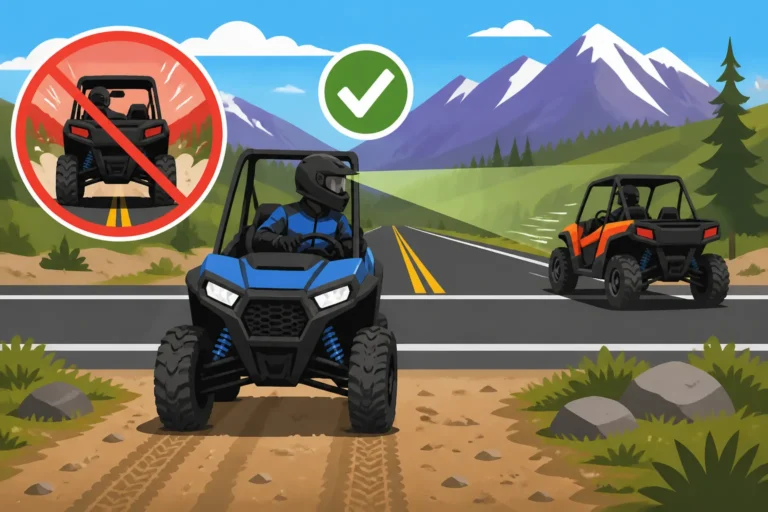
This is where things can get a bit more nuanced. Many Colorado counties have opened certain county roads to OHV use, allowing riders to connect trails, access towns, or simply enjoy scenic drives. When riding on these designated county roads, all state motor vehicle laws apply to OHVs, in addition to any specific county ordinances.
For UTVs, carrying passengers on an open county road is generally permitted, again, up to the manufacturer's seating capacity with everyone properly belted. For two-up ATVs, the same applies. The critical thing to remember is that on these shared roads, you are sharing the space with cars, trucks, and sometimes even cyclists. This demands heightened awareness and adherence to traffic laws. [Passengers on a Colorado Road Section] provides more detailed information on road riding rules.
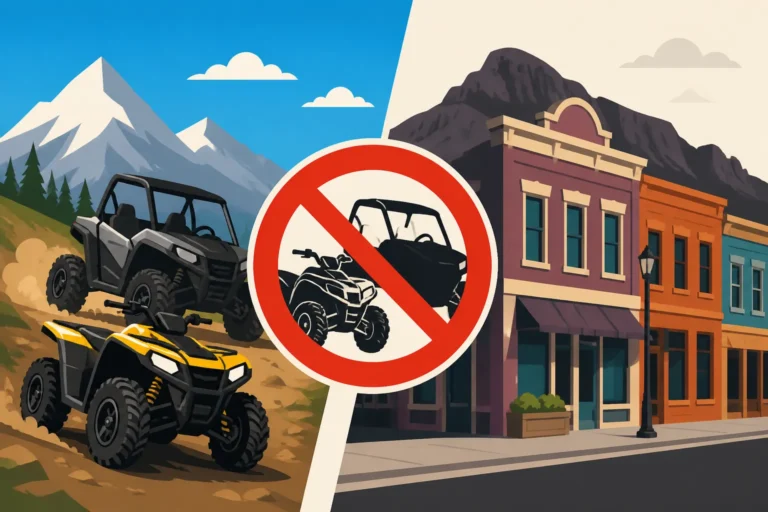
It’s also important to note that while many towns in Colorado embrace OHV tourism, some have very strict rules about where OHVs can and cannot operate within town limits. Always check local ordinances before riding into a mountain town with passengers, as rules can vary greatly from one community to the next.
Private Land Riding with Passengers
If you are riding exclusively on private land that you own or have explicit written permission to use, Colorado's OHV registration and operating laws generally do not apply in the same way they do on public lands. However, this does not mean safety can be ignored. Carrying passengers on private land still carries all the same inherent risks.
Even on private property, it is strongly recommended to follow all safety guidelines: wear helmets, use seatbelts if available, and ensure any machine carrying a passenger is designed for that purpose. An accident on private land can be just as serious as one on public land, and liability can still be a significant concern. Always prioritize safety, regardless of the legal requirements, when transporting passengers.
The Risks and Repercussions of Improper Passenger Transport
Ignoring Colorado's rules for carrying passengers on OHVs isn't just a minor infraction; it can have serious safety and legal consequences. Understanding these risks can help reinforce the importance of proper planning and adherence to regulations.
Increased Accident Risk
The most significant risk of improper passenger transport is an increased likelihood of accidents and injuries. As discussed, placing a passenger on a single-rider ATV severely compromises the operator's control and the machine's stability. The added weight and altered center of gravity make it harder to steer, brake, and navigate obstacles. This can easily lead to rollovers, loss of control, or ejections, resulting in serious injuries to both the operator and the passenger. Even on UTVs, exceeding the passenger capacity or not using seatbelts increases the risk of ejection or being crushed in a rollover.
Colorado trails can be unpredictable, with steep ascents and descents, rocky sections, and tight turns. Adding an extra, unsecured or improperly seated person to the mix is a recipe for disaster. [Colorado OHV Crash Reporting Rules] highlights the importance of reporting incidents, but prevention is always the best course of action.
Fines and Citations
Law enforcement personnel, including Colorado Parks and Wildlife Rangers and local Sheriffs, regularly patrol OHV areas and county roads. They are well-versed in the state's OHV laws and do issue citations for non-compliance. Carrying a passenger on an ATV not designed for two riders, or exceeding the passenger capacity in a UTV, can result in fines. These citations are not just a slap on the wrist; they can be costly and put a damper on your entire trip.
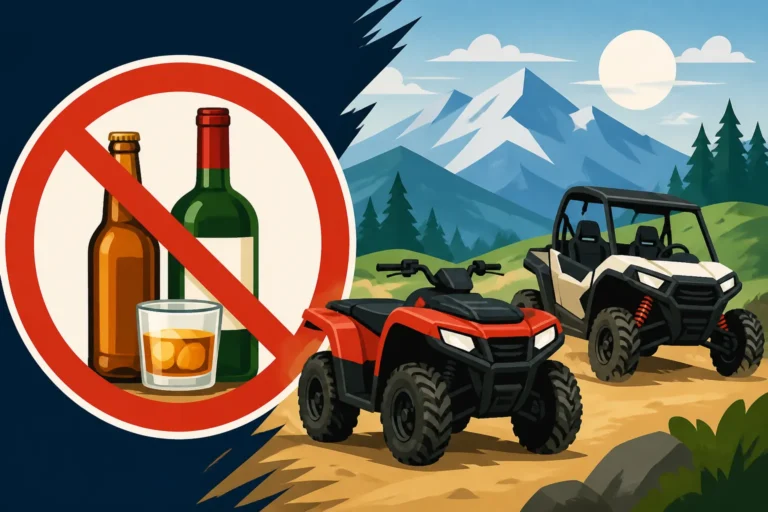
Beyond passenger-specific violations, rangers also look for other infractions that contribute to unsafe riding, such as underage operation, lack of proper safety gear, or even operating under the influence. [Colorado Alcohol Limits for OHV Operators] clearly outlines the strict rules regarding impaired riding. The fines associated with these violations can range from hundreds to thousands of dollars, depending on the severity and location.
Insurance and Liability Issues
In the unfortunate event of an accident, failing to adhere to Colorado's OHV passenger rules can have significant implications for your insurance coverage and personal liability. If you are found to be operating an OHV outside of its designed parameters (e.g., carrying a passenger on a single-rider ATV), your insurance company may deny coverage for damages or injuries. This means you could be personally responsible for medical bills, property damage, and legal fees, which can quickly add up to a life-altering financial burden.
Even on private land, if an accident occurs due to negligence or failure to use reasonable safety measures, you could face civil lawsuits. This is why investing in proper OHV insurance and always prioritizing safety, even in situations where specific laws may not strictly apply, is so crucial. No matter how experienced you are, it's never worth risking the well-being of your passengers or your financial stability by cutting corners on safety.
Enhancing Passenger Comfort and Safety
For those who regularly ride with passengers, especially in UTVs, there are many ways to enhance the experience beyond just meeting the minimum legal requirements. Upgrades to seats, suspension, and additional safety features can make a big difference. For instance, aftermarket companies like SuperATV offer heavy-duty springs, shock absorbers, and even custom seating options that can improve ride comfort for passengers over rough terrain. They also provide various grab handles and harnesses that offer extra security.
Ensuring your passengers are comfortable, secure, and well-informed about riding etiquette (e.g., keeping hands and feet inside, not distracting the driver) contributes to a safer and more enjoyable experience for everyone on the trail. A little preparation goes a long way in making your Colorado OHV adventures memorable for all the right reasons.
Disclaimer
This article is for general informational purposes only and does not constitute professional advice. Laws, prices and regulations vary by location and change over time. Consult a qualified professional for guidance on your specific situation.