Getting Written Permission From a Landowner
There’s nothing quite like the freedom of exploring Colorado’s vast landscapes on your ATV or UTV. But sometimes, those incredible trails are on private land, or you might want to ride on a friend’s ranch. The problem is, many riders assume a quick handshake or a verbal "sure, go ahead" is enough. This guide is here to tell you that in Colorado, relying solely on verbal permission can lead to a heap of trouble, and we’ll walk you through exactly how to get proper written permission from a landowner to keep your rides worry-free.
Why Written Permission Is Your Best Friend (and Legal Shield) in Colorado
It’s easy to think that a friendly nod from a landowner is all you need to hit their trails. After all, you’ve known them for years, right? But here in Colorado, where property rights and liability are taken seriously, a casual agreement can quickly unravel, leaving both you and the landowner in a tough spot. Getting everything down on paper isn’t about being overly formal; it’s about protecting everyone involved and ensuring peace of mind.
Avoiding Misunderstandings and Accusations of Trespass
Imagine this: You’ve been given the verbal go-ahead to ride on Farmer McGregor’s back forty. A few weeks later, his cousin, who’s visiting from out of state, sees you tearing up a field that Farmer McGregor might not have intended for riding. Or maybe Farmer McGregor himself simply forgot the specifics of your chat, or had a bad day, and suddenly, you’re facing a stern lecture or worse, an accusation of trespass.
Verbal permissions are like whispers in the wind – they can change, be forgotten, or be misunderstood. What you thought was permission to ride anywhere could be interpreted by the landowner as permission only for a specific pasture. A written agreement clarifies the exact boundaries, dates, and conditions, eliminating any "he said, she said" arguments. This is especially critical in Colorado, where landowners are increasingly aware of their property rights, and ignorance of boundaries or permission can quickly escalate into legal issues. Avoiding misunderstandings from the start means a much more enjoyable and sustainable riding experience for everyone. This also protects you against [Colorado Trespass Rules Along Forest Roads] when you might accidentally stray onto private land near public access.
Protecting Yourself and the Landowner from Liability Issues
This is a big one, and it’s often overlooked until something goes wrong. When you ride an OHV on someone else’s property, there's always a risk of accident, injury, or property damage. If a rider is injured on their land, or if a fence gets damaged, a landowner can potentially be held liable. This is why many landowners are hesitant to allow recreational use.
A well-drafted written permission document can act as a crucial legal shield. It can clearly state that the rider assumes all risks, indemnify the landowner from certain claims, and outline specific responsibilities, such as carrying your own insurance. While a written agreement doesn't remove all liability, it significantly clarifies expectations and can offer the landowner substantial protection should an accident occur. It transforms an informal favor into a formal understanding, which is much more reassuring for a landowner than just a verbal agreement. For more on what it means to be responsible for your own machine, check out [Riding Only on Your Own Colorado Land].
Crafting the Perfect Permission Document: What to Include
So, you’ve convinced a landowner that written permission is the way to go – fantastic! Now comes the critical part: what exactly needs to be in this document? Think of it as a comprehensive agreement that leaves no stone unturned, detailing everything from who, what, when, where, and how you’ll be riding. The more specific and thorough you are, the less room there is for future disagreements or misunderstandings.
Essential Information for a Solid Agreement
First things first, your permission document needs to clearly identify everyone involved and the property itself. This isn't just bureaucratic fluff; it's the foundation of your agreement.
- Parties Involved: Clearly state the full legal name and contact information (address, phone, email) of the landowner(s) granting permission, and the full legal name and contact information of the rider(s) receiving permission. If there are multiple riders, list each one.
- Date of Agreement: Clearly state when the agreement is being made.
- Property Description: Provide a detailed description of the property. This should include the physical address, assessor’s parcel number (APN) if available, and any identifiable landmarks. You might even include a simple map as an exhibit, clearly outlining the areas where riding is permitted and areas that are strictly off-limits.
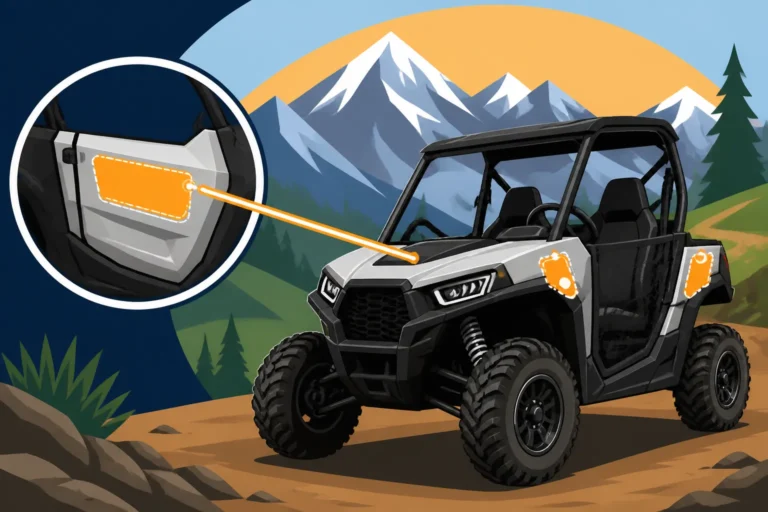
- Description of OHVs: Specify exactly which vehicles are covered by the permission. Include the make, model, year, and Vehicle Identification Number (VIN) for each ATV or UTV. This prevents someone from bringing an unapproved machine or claiming a different vehicle was covered. If you need help locating a VIN, we have guides like [Where to Find the VIN on a Polaris General].
This level of detail ensures there's no confusion about who is allowed to ride, what they can ride, and precisely where they are allowed to be. It’s like creating a mini-contract for your riding privileges.
Defining the Scope of Your Riding Privileges
Once the basic identification is out of the way, you need to set clear boundaries and rules for the actual riding. This section is all about managing expectations and protecting the landowner's interests while ensuring you know what you can and cannot do.
- Dates and Times Permitted: Be specific. Is permission for a single day, a weekend, a specific season, or an entire year? If it’s for an extended period, include start and end dates. Are there specific hours when riding is allowed (e.g., sunrise to sunset)?
- Designated Riding Areas: This is crucial. If a map is attached, refer to it. Clearly state if riding is permitted on specific trails, open fields, or only along access roads. Emphasize any areas that are absolutely forbidden, like cultivated fields, sensitive wildlife habitats, or near livestock pens.
- Rules of Conduct: This can cover a range of important points:
- Speed Limits: Are there any? Especially near residences or livestock.
- Noise Restrictions: This is often a concern for landowners. You might agree to keep noise levels down, especially in certain areas, or commit to stock exhaust systems. [Muffler Noise Limits in Colorado] are a real thing.
- Number of Riders/Passengers: Is there a limit on how many people can ride or accompany you?
- Environmental Impact: Emphasize "tread lightly" principles, staying on designated paths, and avoiding muddy conditions that cause excessive rutting.
- Gates and Fences: A common landowner concern. Agree to always close gates you open and report any damaged fences immediately.
- Trash: Commit to packing out everything you pack in.
- Alcohol/Drug Use: Explicitly state that operating OHVs under the influence is forbidden. This aligns with state laws like [Colorado Alcohol Limits for OHV Operators].
- Firearms/Hunting: If not specifically for hunting, state that no hunting or discharge of firearms is permitted.
- Pets: Are dogs allowed? If so, must they be leashed?
By detailing these points, you show the landowner you're a responsible rider who respects their property and concerns.
Addressing Liability and Indemnification (and a nod to LawDepot)
This is perhaps the most sensitive part of the agreement, but it’s essential for giving a landowner comfort. They need to know that by granting you access, they aren't opening themselves up to undue risk.
- Assumption of Risk: A strong clause stating that the rider acknowledges the inherent risks of off-highway vehicle operation and voluntarily assumes those risks. This means the rider understands that accidents can happen and agrees not to hold the landowner responsible for injuries or damages that might occur from normal riding activities.
- Indemnification/Hold Harmless Clause: This is where the rider agrees to protect the landowner from any legal claims, suits, or demands that might arise from the rider's activities on the property. For example, if a third party sues the landowner because of something you did, this clause means you'd be responsible for the legal costs.
- Insurance Requirements: It's a good idea to state that the rider maintains appropriate liability insurance for their OHV and potentially even general liability coverage. Offering to provide proof of insurance can significantly ease a landowner's mind. [Insuring an ATV in Colorado] is always a good idea.
- Landowner Liability Statutes: Briefly mention that the agreement is subject to Colorado’s recreational use statutes, which often limit a landowner's liability to recreational users if certain conditions are met. This isn't a replacement for legal advice, but it shows you're aware of the legal landscape.
Crafting a robust permission document can be a bit daunting, especially when it comes to legal language. Many people find it helpful to start with a template. Resources like LawDepot offer various legal document templates, including liability waivers or simple land use agreements that you can adapt for OHV riding permission. While these templates are a great starting point, always consider having a legal professional review your final document, especially for complex situations, to ensure it fully protects both parties under Colorado law. This due diligence for [Written Permission Before Riding Private Land] is invaluable.
Here’s a simplified table outlining key elements for your permission agreement:
| Section | Key Information to Include |
|---|---|
| Parties Involved | Full names, addresses, and contact info for landowner(s) and rider(s). |
| Agreement Date | The effective date of the written permission. |
| Property Description | Physical address, APN (if known), clear boundaries, and potentially a map. |
| OHV Details | Make, model, year, and VIN for each permitted ATV/UTV. |
| Permission Duration | Specific start/end dates and times for riding. |
| Riding Areas | Clearly delineated zones; "no-go" areas specified. |
| Rules of Conduct | Speed limits, noise, group size, trash, gate etiquette, no alcohol/drugs. |
| Liability Waiver | Rider assumes risks; indemnifies landowner from claims. |
| Insurance Proof | Rider agrees to maintain and provide proof of OHV liability insurance. |
| Governing Law | State that Colorado law applies to the agreement. |
| Signatures | Signatures of all parties, ideally witnessed or notarized. |
Approaching Landowners and Building Lasting Relationships
You've got a strong understanding of why written permission is essential and what needs to be in it. Now, let’s talk about the human element: actually approaching the landowner. This isn't just about getting a signature; it's about building a trusting relationship that ensures you have a place to ride for years to come. A respectful, prepared approach is key to success.
The Art of the Ask: Tips for Initial Contact
Initiating the conversation can feel intimidating, but it doesn't have to be. Remember, you're asking for a privilege, so humility and respect go a long way.
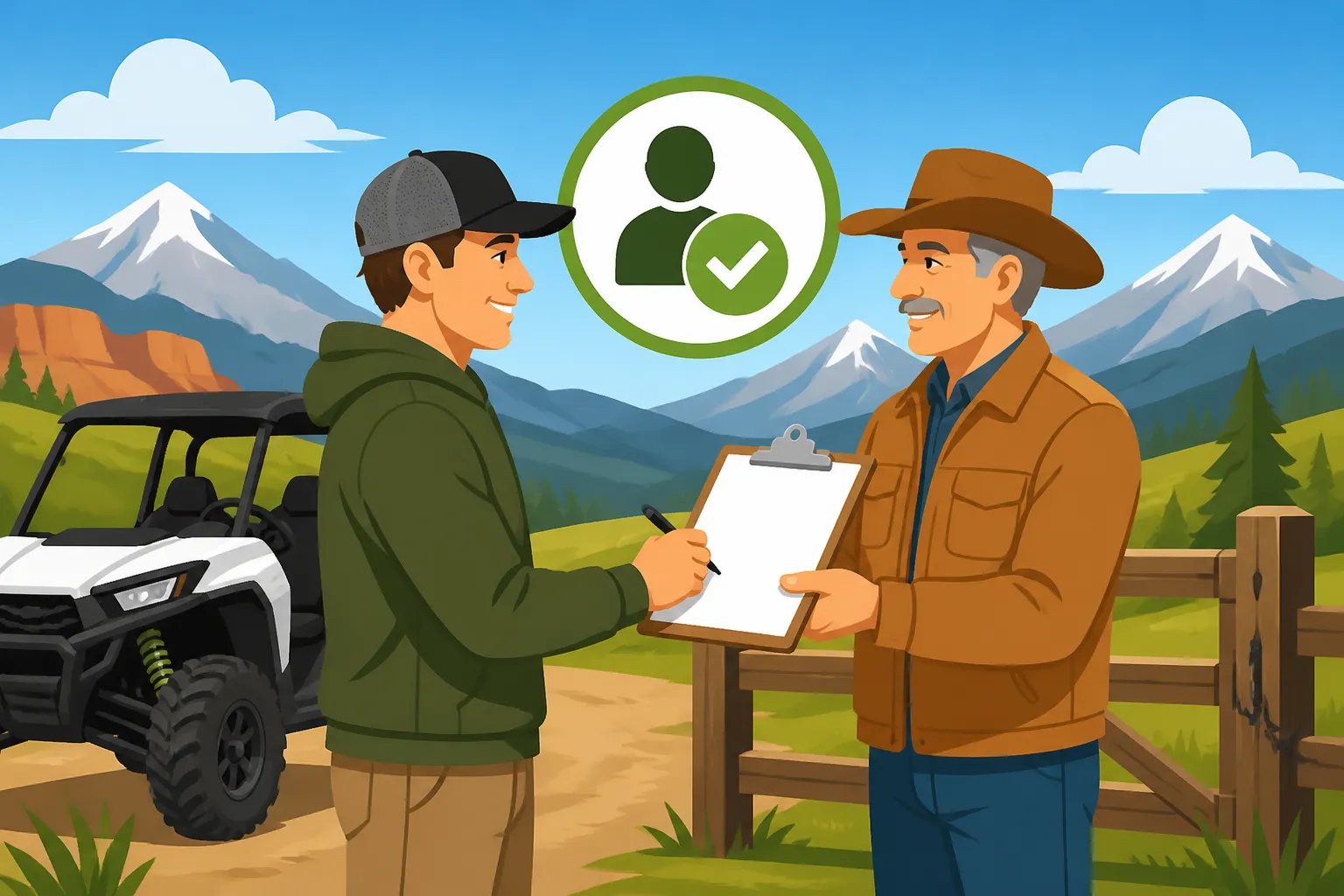
- Be Prepared: Before you even knock on their door, have a clear idea of what you're asking for. Know the dates, times, and specific areas you'd like to ride. Have your proposed written agreement (or at least a draft of the key points) ready to present. This shows you're serious and thoughtful.
- Choose the Right Time: Don't show up unannounced during dinner or when they're obviously busy with farm work. A quick phone call to schedule a brief meeting is often the best approach.
- Dress Respectfully: You don't need a suit, but don't show up in dirty riding gear. Present yourself as a responsible, mature individual.
- Be Clear and Concise: Introduce yourself, explain your interest in riding your ATV/UTV, and immediately state that you understand the concerns associated with private land access. Explain that you want to formalize permission through a written agreement to protect both of you.
- Highlight the Benefits for Them: Emphasize how a written agreement clarifies responsibilities and protects them from liability. You might even offer to keep an eye on their property for anything unusual while you're riding, acting as an extra set of eyes. For example, if you often ride a ranch for [Ranch and Farm ATV Use in Colorado], you might be helping them keep an eye on cattle.
- Offer to Help: Sometimes, a small gesture can make a huge difference. Offer to help with a task around the property – fix a fence, move some hay, or clear some brush. This demonstrates goodwill and shows you're willing to give back.
Remember, the goal is to establish trust and show that you're a responsible individual who will treat their land with the utmost respect. This initial impression can make or break your chances of getting permission. For additional guidance, consider looking up articles on [Getting Written Permission From a Landowner].
What to Do (and Not Do) During the Conversation
Once you're face-to-face, it's about active listening and addressing their concerns directly and honestly.
- Listen More Than You Talk: Allow the landowner to voice their concerns, fears, and conditions. They might have valid reasons for past hesitations, such as previous negative experiences with other riders, concerns about livestock, or environmental worries. Really hear them out.
- Address Their Concerns Directly: Once you understand their worries, explain how your proposed written agreement (and your commitment to responsible riding) addresses each point. If they're worried about noise, explain your quiet exhaust. If it's about fences, reiterate your commitment to closing gates and reporting damage.
- Be Ready to Discuss Insurance: This is often a major hurdle. Be prepared to state that you carry liability insurance for your OHV and offer to provide proof. This is usually a huge relief for landowners. Many homeowners' policies might not cover OHV riding off your own property, so having specific [Insuring an ATV in Colorado] coverage is wise.
- Don't Be Demanding or Entitled: This is a privilege, not a right. If a landowner says no, respect their decision without argument or complaint. A respectful "no" now might open the door to a "yes" in the future if you maintain a good relationship.
- Don't Rush the Decision: Give them time to think about it and review the proposed document. Offer to answer any questions they might have and be available for a follow-up conversation.
- Don't Over-Promise: Only agree to conditions you can realistically uphold. It's better to set clear, manageable expectations than to agree to everything and then fail to deliver.
This conversation is about building a relationship, not just closing a deal. Show genuine interest in their property and their concerns, and you're much more likely to gain their trust and their permission. For machines kept only on private land, you might still need to consider [Colorado OHV Registration for Machines Kept on Private Land].
Maintaining Trust and Being a Responsible Rider
Getting the signature is just the beginning. The ongoing relationship is what truly matters. If you want to keep riding on their land, or even get future permissions from other landowners, your actions speak volumes.
- Stick to the Agreement, No Exceptions: This is paramount. If the agreement says no riding after dark, then don't. If it limits you to certain trails, stay on them. Deviating from the agreement, even once, can instantly erode trust.
- Treat Their Land Better Than Your Own: This means leaving no trace, packing out all your trash, avoiding excessive rutting, and generally being a good steward of their property.
- Report Issues Promptly: If you notice a broken fence, a fallen tree, or anything else amiss on the property, report it to the landowner immediately. This shows you're engaged and care about their land.
- Express Gratitude: A simple thank you goes a long way. Periodically check in with the landowner, offer to help again, or even bring a small token of appreciation.
- Respect Their Privacy: Don't bring extra riders without explicit permission, and don't assume you can show up anytime. Always communicate your plans in advance.
- Know Your Local Rules: Even on private land, certain rules apply, particularly regarding safety or environmental impact. While [Penalties for an Unregistered OHV in Colorado] might not apply if your machine is strictly for private property use, it's always good to be informed.
Being a responsible and respectful rider is the best way to ensure continued access to private land. It builds a reputation not just for you, but for the entire OHV community in Colorado. This makes it easier for others to gain permission in the future and helps foster a positive relationship between landowners and riders. Remember the spirit of [Riding a Friend's Ranch Without a Permit] – even a friend's ranch needs respect and proper documentation for peace of mind.
Disclaimer
This article is for general informational purposes only and does not constitute professional advice. Laws, prices and regulations vary by location and change over time. Consult a qualified professional for guidance on your specific situation.