When a Colorado OHV Registration Expires
It's incredibly frustrating to head out for a much-anticipated trail ride, only to realize at the last minute that your OHV registration might be expired. Many riders grapple with the confusing annual cycles and wonder exactly when their Colorado OHV registration runs out. This guide is here to clear up that confusion, explaining the official expiration date, how to read your sticker, and what steps to take to ensure you're always riding legally.
The Annual Lifespan of Your Colorado OHV Registration
Unlike some vehicle registrations that might expire on your birthday or a specific date tied to your purchase, Colorado's off-highway vehicle (OHV) registrations operate on a fixed annual schedule. This can catch new riders off guard or trip up seasoned enthusiasts if they aren't paying close attention. It’s a system designed to standardize the process, but it requires you to be aware of the calendar.
The Universal Expiration Date: March 31st
Here's the crucial detail: every Colorado OHV registration, regardless of when you initially purchased or renewed it, expires on March 31st of each year. This means if you buy a new side-by-side in July, your registration will still only be valid until the following March 31st. If you renew early in January, it's still for the period ending March 31st. There's no pro-rating system that extends your validity for a full 12 months from your purchase date; it's a hard cutoff.
This fixed date is one of the most common points of confusion for riders, especially those who are used to other types of vehicle registrations. You might naturally assume a full year of validity, but with Colorado OHVs, you're buying into a specific registration year. Understanding this single date is key to avoiding an expired registration and the potential headaches that come with it. It’s always best to mark this date down on your calendar or set a digital reminder so it doesn't sneak up on you.
How the Registration Year Runs
Because all registrations expire on March 31st, the official Colorado OHV registration year actually runs from April 1st through March 31st of the following calendar year. So, when you get your new registration, whether it's in April or October, you're essentially registering for that specific "OHV year." For example, a registration purchased in August of one year will be valid until March 31st of the next year. This cycle ensures that all active OHV registrations align with the state's fiscal year for managing the OHV program, which funds trail maintenance and access projects. [Colorado's OHV Registration Year Runs April to March] further details this system.
This system means that if you happen to register your machine late in the "season" – say, in February or March – you're still paying the full annual fee for a registration that will expire in just a few weeks. While it might seem a little unfair, that's simply how the system is structured. It strongly encourages riders to purchase or renew their registrations closer to the April 1st start date to get the most out of their permit period. Always remember this specific timeframe to manage your registrations efficiently.
Decoding Your Colorado OHV Sticker for Expiration
Your Colorado OHV registration sticker isn't just a pretty decal; it's the primary visual proof of your machine's legal status on public lands. Knowing how to read it correctly will save you from guesswork and potential issues when you're out on the trails. It's designed to be easily identifiable by rangers and law enforcement, so understanding its components is vital for every rider.
What to Look For on Your Decal
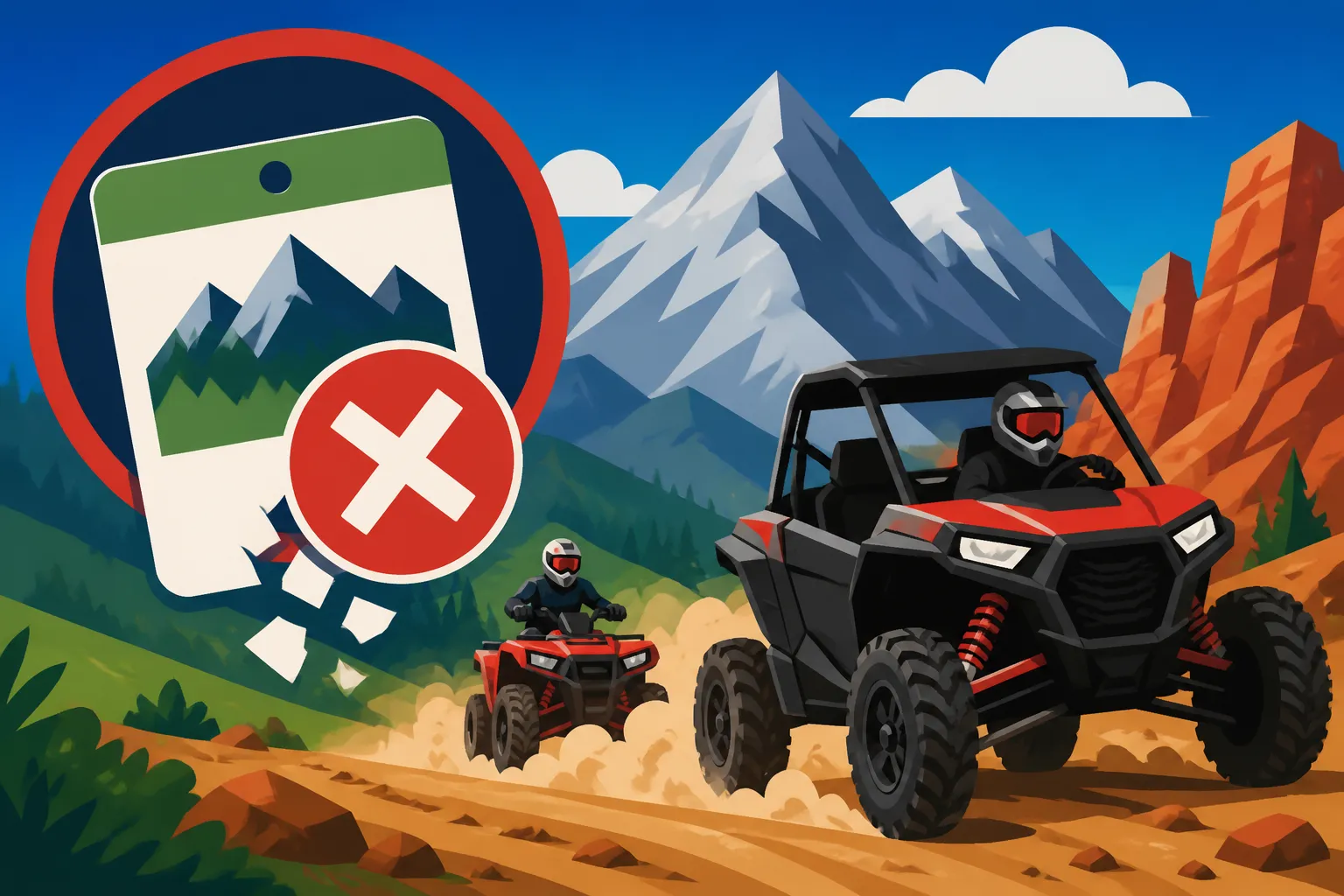
Every Colorado OHV sticker will have clear markings indicating its validity. Typically, you'll find the year for which the registration is valid printed prominently on the sticker. Sometimes this is a two-digit year, sometimes four, but it's always there. For instance, if you see "24" or "2024," it means your registration is valid for the OHV year ending March 31st, 2024. The sticker itself also has a specific color that often changes each year, making it even easier for rangers to spot an expired decal from a distance. [Where the Colorado OHV Sticker Goes] can help you understand the proper placement once you receive your new one.
Beyond the year, some stickers might also include smaller text or a specific design that reinforces the validity period. Always check for the latest sticker color and design when you receive your renewal, as this quick visual cue is often what rangers look for first during a trailside check. It’s not just about having a sticker, but having the current sticker that accurately reflects your active registration. Don't rely on old habits; always give the new sticker a quick once-over to confirm the year.
Why the Date Stamp Matters
While the sticker clearly shows the year, remembering that it always expires on March 31st is the critical piece of information that riders often forget. The sticker won't typically have "March 31st" printed on it; it only has the year. This is why many riders get caught off guard: they see "2024" and assume it's good until December 31st, 2024, when in reality, it expires nine months earlier. It’s a common misconception that can lead to unexpected fines.
When a ranger performs a check, they'll primarily look for the current year's sticker. If they see last year's sticker, or if they run your OHV's registration number and find it's expired, you'll be facing a citation. This is why understanding the fixed March 31st expiration, regardless of the sticker's visible year, is paramount. Always double-check your registration status well before you hit the trails, especially as March approaches, to ensure you're compliant.
The Real-World Consequences of an Expired OHV Registration
Riding an OHV in Colorado requires a valid registration when on public lands, designated trails, or county roads open to OHVs. Ignoring the expiration date can lead to a host of problems that nobody wants to deal with when they're trying to enjoy the beautiful Colorado backcountry. It's not just a minor oversight; it's a violation that carries real penalties.
Fines, Tickets, and Trailside Checkpoints
The most immediate consequence of riding with an expired registration is receiving a citation. Colorado Parks and Wildlife (CPW) rangers, Forest Service law enforcement, and county sheriffs regularly patrol popular OHV areas and perform [Colorado Ranger Checks at a Trailhead]. They are trained to spot expired decals quickly. A fine for an unregistered OHV can be substantial, often hundreds of dollars, and it's a direct hit to your wallet that could have been easily avoided. [Penalties for an Unregistered OHV in Colorado] can be quite severe, especially if combined with other violations.
Beyond the monetary fine, dealing with a ticket can also take valuable time away from your ride. You might be asked to leave the trail or be delayed while the officer processes your citation. It's a hassle that ruins the day and adds stress to what should be a relaxing experience. The best way to avoid this scenario is to simply be proactive and ensure your registration is always current. It's a small fee to pay for peace of mind and legal access to Colorado's incredible trail system.
The Impact on Your Riding Plans
Imagine driving hours to a remote trailhead, unloading your machine, and just as you're about to hit the dirt, a ranger informs you your registration is expired. Not only will you likely receive a ticket, but you won't be allowed to ride on public land. This means your entire trip could be ruined, forcing you to pack up and head home without ever turning a wheel on the trail. This scenario is all too common and highlights the importance of checking your registration before you even load up your machine.
An expired registration can also complicate things if you're involved in an accident. While registration isn't directly tied to insurance coverage, operating an unregistered vehicle is a violation of state law, which could potentially impact any claims or legal proceedings. It’s always best to err on the side of caution and maintain full compliance. Don't let an expired sticker derail your plans or put you in a tough spot; a quick check can prevent a world of frustration.
Staying Ahead: Proactive Steps to Prevent Lapses
Forgetting to renew your OHV registration is an easy mistake to make, especially when life gets busy. However, with a few simple strategies, you can ensure you never miss the March 31st deadline again and keep your adventures rolling smoothly. Being proactive about your renewal means less stress and more trail time.
Setting Up Reminders and Renewal Strategies
Since the expiration date is fixed, it's relatively easy to set up recurring reminders. Mark your calendar for early March each year as a "check OHV registration" date. Better yet, set a reminder for February, giving you plenty of time to renew before the crunch. Many riders find success by associating their OHV renewal with other annual tasks, like filing taxes or spring cleaning, to create a routine. You can even set multiple digital reminders on your phone or email calendar.
Colorado Parks and Wildlife generally sends out renewal reminders, but these can sometimes get lost in the mail or filtered into spam folders. Don't rely solely on their reminder. Be your own advocate. You can usually perform a [Colorado OHV Registration Renewal Online] or even [Buying a Colorado OHV Registration by Phone], which makes the process quick and convenient. By taking control of your reminder system, you ensure that the fixed March 31st expiration date never catches you off guard.
How to Renew Your Colorado OHV Registration
Renewing your registration is a straightforward process. As mentioned, the most convenient method for many is online through the Colorado Parks and Wildlife website. You'll typically need your OHV's VIN and your previous registration number. Once processed, a new sticker and registration card will be mailed to you. You can also renew by phone or in person at various [Colorado OHV Registration Vendors Across the State], such as sporting goods stores or county clerks that issue fishing and hunting licenses.
When you renew, remember to allow enough time for the new sticker to arrive in the mail. While you might get a temporary confirmation, you technically need the physical sticker affixed to your machine to be fully compliant. [How Long a Colorado OHV Sticker Takes to Arrive] can vary, so it's best not to wait until the last minute. If you renew in March, you might be cutting it close, but [Renewing a Colorado OHV Registration in March] is a common practice. Remember, you might be able to ride legally while you wait for your sticker to arrive, but it's always best to carry proof of your recent renewal with you. Using a reliable service for any supporting documents, like a bill of sale or proof of ownership, such as the templates available from LawDepot, can ensure you always have your paperwork in order, whether you're buying, selling, or just renewing.
Colorado OHV Registration Expiration at a Glance
To summarize the key points about your Colorado OHV registration expiration, here's a quick reference table:
| Aspect | Detail | What to Remember |
|---|---|---|
| Expiration Date | March 31st, annually | Applies to all OHV registrations, regardless of purchase/renewal date |
| Registration Year | April 1st to March 31st (following year) | Your registration is valid for this specific period, not 12 months from purchase |
| Sticker Indication | Shows the year of validity (e.g., "24" or "2024") | Does not explicitly state March 31st |
| Renewal Period | Typically opens in early March for the upcoming OHV year | Renew early to ensure you receive your sticker before April 1st |
| Consequences of Lapse | Fines, removal from trails, potential complications with accidents | Avoid issues by always having a current registration |
| Best Practice | Set personal reminders, check status proactively, renew online or in person | Don't rely solely on CPW reminders |
This table should help you quickly grasp the essential information needed to keep your OHV registration current and avoid any unexpected hitches on your next Colorado adventure.
Disclaimer
This article is for general informational purposes only and does not constitute professional advice. Laws, prices and regulations vary by location and change over time. Consult a qualified professional for guidance on your specific situation.