Written Permission Before Riding Private Land
There’s nothing quite like the freedom of riding your ATV or UTV across wide-open spaces, especially here in Colorado. But before you even think about dropping your tailgate and unloading your machine, you absolutely must know where you stand regarding land access. Riding on private land without explicit, written permission is a surefire way to land yourself in serious trouble, damage relationships with landowners, and even face hefty fines. This guide will walk you through the ins and outs of securing that all-important written permission, covering why it's crucial, what it should contain, and how to approach landowners with respect and confidence.
Why Written Permission is Absolutely Essential in Colorado
Imagine the scene: you've found a perfect spot, maybe a sprawling ranch or a remote plot of timberland that looks ideal for a ride. The gate is open, or it looks like people ride there all the time. You might think, "No harm, no foul, right?" Wrong. Very, very wrong. In Colorado, just like everywhere else, private property is private, and unauthorized access can quickly turn a fun day into a legal nightmare. Getting written permission isn't just a polite suggestion; it's a critical layer of protection for everyone involved.
The Legal Minefield of Trespassing
When you step or ride onto someone else's property without their express consent, you are trespassing. It’s a simple concept, but the ramifications can be anything but. In Colorado, trespassing can lead to fines, your OHV being impounded, and even potential legal action from the landowner. We're not talking about a slap on the wrist here; we're talking about serious financial and legal headaches that can follow you around.
Think about it from the landowner's perspective: they have invested in that land, they pay taxes on it, and they are responsible for what happens there. When an unknown rider shows up, they have no idea who you are, what your intentions are, or if you'll respect their property. This immediately puts them on guard, and rightfully so. Having a clear, written agreement changes that dynamic entirely, moving from suspicion to mutual understanding. It's about establishing trust before you even turn the key.
Protecting Yourself and the Landowner
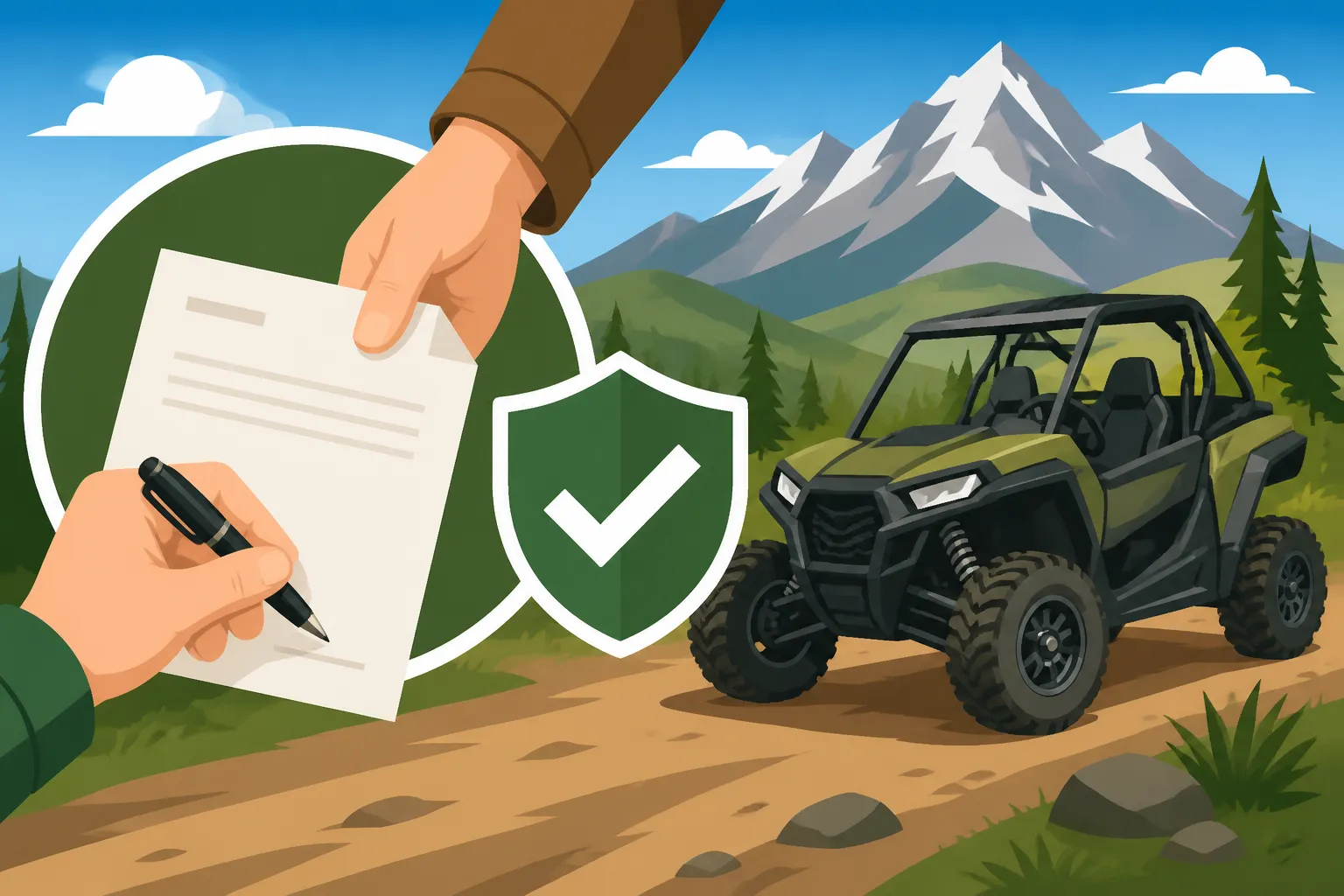
A written permission form acts as a legal shield for both parties. For you, it’s irrefutable proof that you have the right to be there. If a local sheriff's deputy or a Colorado Parks and Wildlife (CPW) ranger approaches you while you’re riding, simply showing a signed document can immediately diffuse the situation. Without it, you're relying on a verbal agreement that is difficult to prove, and you could be looking at a citation for [Penalties for an Unregistered OHV in Colorado] or worse.
For the landowner, the permission form can outline what they expect from you, limiting their liability and ensuring their property is respected. It can specify where you can and cannot ride, what hours are acceptable, and what activities are permitted. This is especially important in Colorado, where landowners often worry about insurance liabilities related to visitors on their property. A well-drafted permission slip can clarify these terms and reduce their apprehension, making them more likely to say yes to future requests.
Avoiding Conflict and Fines
Let's be honest, no one wants to get into a confrontation while they're out enjoying the Colorado wilderness. Showing up unannounced on private land is almost guaranteed to create tension. Landowners are often protective of their property, and seeing someone ride an OHV without permission can understandably provoke anger or concern. A simple conversation, backed by a written agreement, avoids all that unpleasantness.
Furthermore, fines for trespassing in Colorado can be substantial. Depending on the specifics, charges can range from petty offenses to misdemeanors, carrying fines that could easily fund several years of OHV registrations. Imagine spending a fun day only to come home with a ticket for several hundred dollars because you didn't take five minutes to get proper permission. It’s simply not worth the risk. A little foresight and preparation go a long way in ensuring your ride is enjoyable and trouble-free. This is why many experienced riders prioritize obtaining Written Permission Before Riding Private Land well in advance.
What a Good Written Permission Form Needs to Include
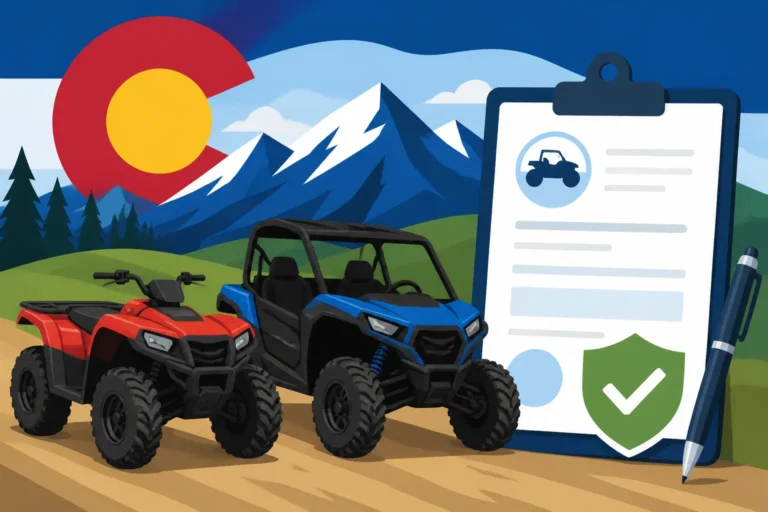
So, you're convinced that written permission is the way to go – fantastic! But what exactly should this document look like? It's not just a quick note on a napkin; a robust permission form needs to cover several key elements to be truly effective and legally sound. Think of it as a mini-contract that clearly defines the boundaries and expectations for your riding privileges.
Identifying Parties and the Property
At the very least, your permission form needs to clearly state who is granting permission and who is receiving it. This means full legal names, addresses, and contact information for both the landowner and the rider (or riders, if it’s a group or family). This might seem basic, but it’s foundational. Without clearly identified parties, the document loses its legal standing.
Equally important is a precise description of the property being accessed. Don't just write "John Smith's ranch." Include the full legal description of the property, if available, such as the parcel number or property address. If permission is only for a specific portion of a larger property, describe those boundaries clearly, perhaps even referencing a map attached to the document. The more specific you are, the less room there is for misinterpretation or accidental trespassing onto unapproved areas. This level of detail helps prevent confusion and disputes down the line.
Defining the Scope of Use and Restrictions
This is where the landowner's expectations are clearly laid out. A good permission form will specify exactly what activities are allowed. Are you permitted to ride ATVs, UTVs, or both? Are there specific trails or areas you must stick to? Can you bring guests? What hours are you allowed to ride? Are there any speed limits or noise restrictions?
It’s also crucial to document any restrictions. For example, the landowner might stipulate "no riding during hunting season" or "stay off newly planted fields." They might also require you to keep gates closed, pack out all trash, or avoid certain sensitive ecological areas. These details are vital for maintaining a good relationship and ensuring you don't inadvertently violate their trust. Remember, this isn’t just about getting on the land; it’s about being a respectful and responsible visitor, which is essential for ensuring continued access. This also plays into broader discussions about [Riding Only on Your Own Colorado Land] and what permissions might still be needed even on property you lease or have strong ties to.
Duration, Revocation, and Liability Clauses
Every good permission form should have a start and end date. Is this a one-day pass, a weekend pass, or permission for the entire riding season? Clearly stating the duration prevents ambiguity. Furthermore, it should include a clause about revocation. This gives the landowner the right to withdraw permission at any time, for any reason, often with immediate effect. This is a critical point for landowners, as it assures them they retain ultimate control over their property.
Finally, and perhaps most importantly, a robust permission form should address liability. This is usually where the rider agrees to assume all risks associated with riding on the property and releases the landowner from any liability for injuries or damages that might occur. While such clauses don't always offer ironclad protection in every legal scenario, they go a long way in demonstrating intent and reducing a landowner's concern about being sued. Some landowners might even require you to show proof of [Insuring an ATV in Colorado] before granting access. This part of the agreement is often what pushes a hesitant landowner to feel comfortable saying "yes."
Here's a quick checklist for what to include:
| Element | Description | Why it's Important |
|---|---|---|
| Landowner Info | Full Name, Address, Contact Info | Identifies who grants permission |
| Rider(s) Info | Full Name(s), Address(es), Contact Info, OHV VIN(s) (optional but good) | Identifies who receives permission; links to specific machines |
| Property Description | Physical address, legal parcel number, clear boundaries (map attachment) | Prevents accidental trespassing; defines approved area |
| Permitted Activities | ATV/UTV riding, hiking, specific trails, hours of operation | Clarifies allowed uses; prevents unapproved activities |
| Restrictions | No night riding, speed limits, closed areas, no hunting, gate protocols | Protects property, reduces disturbance, ensures safety |
| Duration | Start date, end date, specific dates (e.g., "August 10-12, 2024") | Defines the time window of permission |
| Revocation Clause | Landowner's right to withdraw permission at any time | Assures landowner control |
| Liability Waiver | Rider assumes risk; releases landowner from injury/damage claims | Reduces landowner's legal exposure; crucial for consent |
| Signatures & Dates | Both parties' signatures and the date signed (witness/notary optional) | Legal validation of the agreement |
How to Approach a Landowner for Permission
Asking for permission can feel daunting, especially if you don't know the landowner. It requires a blend of respect, clear communication, and a willingness to understand their perspective. Remember, you're asking for a privilege, not asserting a right. The way you present yourself and your request can make all the difference between a friendly "yes" and a firm "no."
Building Rapport and Trust
First impressions are everything. Don't just show up unannounced at someone's doorstep in your riding gear with your machine on a trailer. That can be intimidating. Instead, consider a more subtle approach. Perhaps a polite phone call first, explaining who you are and why you're calling. If you know someone who knows the landowner, a personal introduction or referral can work wonders. Many Colorado families have deep roots in their communities, and word-of-mouth recommendations carry a lot of weight.
When you do meet, be genuine and courteous. Start by introducing yourself fully and explaining your passion for responsible OHV riding. Emphasize your respect for private property and the environment. Sometimes, simply offering to help with a small chore on their property – mending a fence, clearing some brush, or even just offering a hand with moving something – can be a fantastic way to build goodwill and demonstrate that you're not just there to take, but also to contribute. This kind of community spirit often opens doors that a simple request might not.
Presenting Your Request Clearly
Once you’ve established a friendly connection, present your request directly and honestly. Explain why you're interested in riding on their land. Perhaps it's for scenic views, access to a specific trail, or simply a safe, private place away from crowded public lands. Be prepared to answer questions about your experience, your machine, and your riding habits.
Crucially, come prepared with a draft permission form. Having a professional-looking document ready shows you've thought this through and are serious about being a responsible visitor. You can explain that the form protects both of you by clearly outlining the terms of use, including liability waivers and specific areas for riding. If they seem hesitant about the legal wording, you can reassure them that services like LawDepot offer easy-to-use templates that can be customized to fit their specific needs, making the process less intimidating for them. This proactive approach demonstrates respect for their property and their concerns about responsibility.
Respecting Their Property and Concerns
A landowner's "no" often stems from past negative experiences, concerns about liability, or simply a desire for privacy. If they voice concerns about noise, dust, damage, or safety, listen empathetically. Don't dismiss their worries. Instead, address them directly and offer solutions. Can you agree to ride only during certain hours? Can you commit to staying on established tracks? Can you show them you have [Colorado ATV Insurance and When It Is Required]?
If they express concerns about damage, offer to walk the property with them beforehand to identify sensitive areas. Commit to reporting any issues you notice while riding, like downed fences or suspicious activity. Ultimately, you want to convey that you will be a responsible steward of their land, just as they are. Remember, a "no" doesn't always mean "never." Sometimes, it means "not yet," or "not under those conditions." A respectful approach, even in the face of rejection, leaves the door open for future possibilities or referrals to other landowners.
Creating Your Own Permission Form
So, you're ready to put together that all-important piece of paper. You might be thinking, "Do I need a lawyer for this?" For a simple permission slip, often not. There are many resources available to help you draft a clear and effective document. The goal is to create something that covers the essentials without being overly complex, yet still offers the protections discussed earlier.
Using Templates as a Starting Point
You don't need to reinvent the wheel when it comes to drafting a permission form. Many reputable online services offer templates specifically designed for land access, hunting, or recreational use. These templates often include standard legal language for identifying parties, property descriptions, liability waivers, and revocation clauses. Using a template provides a solid foundation, ensuring you don't miss any critical elements.
For example, services like LawDepot provide customizable legal documents, including various types of waivers and agreements. You can select a template that closely matches your needs for OHV access, then fill in the specific details related to the landowner, the property, and the terms of use. This can save you a significant amount of time and give you confidence that your document is reasonably comprehensive. While these are not substitutes for legal advice, they are excellent starting points for non-complex agreements. Just make sure to read through everything carefully and understand what each section means.
Customizing for Specific Scenarios
While templates are great, every situation is unique. You'll need to customize your form to reflect the specific agreement you make with the landowner. Is this permission for a single rider or a family? Are you allowed to bring guests? Is camping permitted? What about other activities like [Ranch and Farm ATV Use in Colorado]? These details must be explicitly stated in the document.
Consider the layout of the property. If the landowner has specific areas they want you to avoid – perhaps active livestock pastures, sensitive wetlands, or even areas near their home – make sure these are clearly marked on a map and referenced in the written agreement. Attaching a simple hand-drawn or satellite image map with approved riding zones highlighted can be incredibly helpful. The more precise you are, the less chance there is for accidental misunderstandings or venturing into off-limits zones. This attention to detail shows the landowner you're serious about respecting their wishes.
Legal Review and Notarization Considerations
For most straightforward OHV access permissions, especially for personal recreational use, a full legal review by an attorney might be overkill. However, if the land is particularly complex, the riding involves high-risk activities, or if the landowner requests it, consulting with an attorney to review the document is a wise step. An attorney can ensure the language is legally sound and enforceable in Colorado.
Notarization is another consideration. While not always legally required for a simple permission slip, having the document notarized adds an extra layer of authenticity and can provide peace of mind for both parties. A notary public verifies the identity of the signers and witnesses their signatures, which can be useful if there's ever a dispute about who signed what. Many banks, credit unions, and UPS stores offer notary services for a small fee. This simple step can significantly strengthen the document's validity and reduce potential conflicts, especially when dealing with important matters like [Proof of Ownership for a Colorado OHV] or other legal documents.
Common Pitfalls and Misunderstandings
Even with the best intentions, things can go awry if assumptions are made or critical details are overlooked. Riding on private land comes with responsibilities, and understanding potential pitfalls can save you a lot of grief. Let's look at some common mistakes and how to steer clear of them.
The "Implied Permission" Myth
This is one of the biggest traps riders fall into. You see an open gate, a well-worn track leading onto private land, or even other riders using a certain area, and you might assume it's okay for you to ride there too. This is the "implied permission" myth, and it's a dangerous one. In Colorado, an open gate or a beaten path does not imply permission. Unless there's signage explicitly granting public access, or you have direct, written consent, you should assume the land is private and off-limits.
Landowners might leave gates open for livestock, agricultural access, or simply forget to close them. Those tracks could have been made by previous trespassers, or by the landowner themselves. Relying on "everyone else does it" is a terrible legal defense and a sure way to find yourself facing a trespassing charge. Always, always seek explicit permission, and preferably, get it in writing. It's the only way to be truly sure you're riding legally and respectfully.
Verbal Agreements Are Risky
While a handshake deal might feel perfectly fine between trusted friends or neighbors, when it comes to land access and potential liability, a verbal agreement is inherently risky. Memories fade, people move, and interpretations can differ. What you understood as "you can ride anywhere" might be remembered by the landowner as "you can ride that one specific trail."
If a conflict arises, or if a new landowner takes over, a verbal agreement holds little to no legal weight. You'll have no proof that permission was ever granted, leaving you vulnerable to trespassing charges. This is why the emphasis on written permission is so strong. It creates a clear, undeniable record of the agreement, protecting both parties. Think of it like a [Colorado ATV Bill of Sale Wording That Holds Up] – you wouldn't buy or sell a machine with just a handshake, would you? The stakes for land access are just as high.
Boundary Issues and Neighbor Disputes
Even with written permission for a specific property, boundary lines can be tricky. It's not always clear where one private parcel ends and another begins, especially in rugged Colorado terrain. Accidental trespassing onto an adjacent property can easily happen if you're not absolutely sure of the boundaries. This can lead to disputes not just with your original landowner, but also with their neighbors, creating a ripple effect of bad feelings.
Always ask the landowner to clearly mark or explain the property lines relevant to your riding area. If they have a plat map or a survey, ask to see it. If you're using a GPS mapping app like onX Offroad, you can often overlay property boundaries to stay aware of your location. Make it your responsibility to know exactly where you're allowed to ride and to stay within those limits. This includes understanding rules about [Riding While You Wait for Your Colorado Sticker] if you're on public land, but on private land, the rules are solely defined by the landowner. Being diligent about boundaries demonstrates your respect and minimizes the chance of becoming entangled in a neighborly feud.
Beyond the Paper: Maintaining the Relationship and Responsibilities
Getting that coveted written permission is a huge first step, but it’s really just the beginning of a successful and lasting relationship with a landowner. Think of it as a privilege that needs to be continuously earned through responsible behavior and open communication. You want them to want you back, year after year, or even refer you to others!
Being a Responsible Rider
The terms outlined in your written permission form aren't just suggestions; they are rules you've agreed to follow. Stick to designated trails, respect speed limits, and adhere to any time restrictions. If the landowner asked you to close gates, close them every single time. Pack out everything you pack in – and if you see stray trash, consider packing that out too. Leave the land in better condition than you found it.
Remember that noise can be a significant concern for landowners, especially if their property is near homes or livestock. Be mindful of your muffler and avoid excessive noise, particularly early in the morning or late in the evening. Understand that Colorado has specific rules regarding spark arresters and mufflers for OHVs, even on private land if the land is accessible to others or adjacent to public areas. Being seen as a responsible, respectful rider is the best insurance for continued access. This also aligns with the broader ethics of [Stay The Trail Ethics in Colorado] that we promote for public lands.
Regular Communication and Appreciation
Don't let your signed permission slip be the last time you communicate with the landowner until you need renewed access. A quick phone call or text to say "thanks" after a ride, or to let them know you’ll be out there on a specific day, can go a long way. If you notice anything unusual on their property – a downed fence, suspicious activity, or perhaps even an injured animal – let them know. You become an extra set of eyes and ears for them.
Consider small gestures of appreciation. A handwritten thank-you note, a small gift during the holidays, or an offer to help with a task around their property can reinforce your gratitude and strengthen the relationship. These aren't bribes; they're genuine expressions of thanks for a privilege they've granted you. A good relationship built on mutual respect and thoughtfulness is far more valuable than any legal document alone.
Understanding Private Land Riding and Colorado Registration
While this article focuses on the permission to ride on private land, it's also important to touch on [Colorado OHV Registration for Machines Kept on Private Land]. In Colorado, if your OHV is operated on any public land (this includes Forest Service roads, BLM trails, state parks, etc.), it must be registered with Colorado Parks and Wildlife (CPW). However, if your OHV is only ever operated on private land, you generally aren't required to register it with CPW.
This distinction is crucial. Even if you have written permission, if you trailer your OHV to the private land and then, say, take a short hop onto a county road to get to another section of the property or simply to access a public trail, you've now entered the realm of public use. In such cases, your machine must be registered. Many landowners who grant permission might expect your machine to be registered anyway, for peace of mind, or because they know you might occasionally venture off their property. Always clarify these points, and if in doubt, it’s usually safer and smarter to get that Colorado OHV registration sticker.
Disclaimer
This article is for general informational purposes only and does not constitute professional advice. Laws, prices and regulations vary by location and change over time. Consult a qualified professional for guidance on your specific situation.