Colorado OHV Registration Vendors Across the State
It’s a common scenario: you’ve just acquired your dream ATV or UTV, or maybe you’re gearing up for another season of exploring Colorado’s incredible backcountry, and suddenly that little voice in your head reminds you about registration. You know you need that OHV sticker, but trekking all the way to a distant Colorado Parks and Wildlife (CPW) office can feel like an extra chore. This guide is here to soothe that frustration by showing you just how many convenient locations across the state are ready and able to help you get your off-highway vehicle registered.
Understanding the Necessity of Colorado OHV Registration
Before we dive into where you can register, let's quickly touch on why it's so important here in Colorado. We’ve all seen those vibrant green stickers on ATVs and UTVs out on the trails. They're not just for show; they're your ticket to legally exploring our state’s vast network of public lands, from the high mountain passes to the expansive desert landscapes. Without proper registration, you risk fines and missing out on some truly unforgettable adventures.
Why Registration Matters for Public Land Access
Imagine planning an epic ride up Engineer Pass or exploring the trails around Taylor Park, only to be stopped by a ranger. Not having that current OHV registration can quickly turn a fun day into a costly one, and nobody wants that kind of trailside drama. Colorado’s OHV registration program directly funds the very trails you ride, helping with maintenance, signage, and even the creation of new routes. So, when you pay that fee, you're not just buying a sticker; you're investing in the future of our riding areas. It's a critical step that ensures continued access and enjoyment for everyone. You can learn more about [Colorado Parks and Wildlife OHV Registration Explained] and why it's so vital.
The Consequences of an Unregistered Machine
Skipping registration might seem like a minor oversight, but the penalties can be surprisingly steep. Getting caught with an unregistered OHV on public land often results in a fine, which can quickly outweigh the cost of the registration itself. Beyond the financial hit, there’s the inconvenience and potential for further enforcement actions. It can also complicate things if you’re involved in an accident, as a lack of proper registration might affect insurance claims or other legal aspects. It’s far better to be prepared and follow the rules than to face the frustration and expense of a citation. We often hear from riders who've experienced [Penalties for an Unregistered OHV in Colorado] firsthand, and it's never a fun story to tell.
Beyond the Main Offices: The Convenience of Authorized Vendors
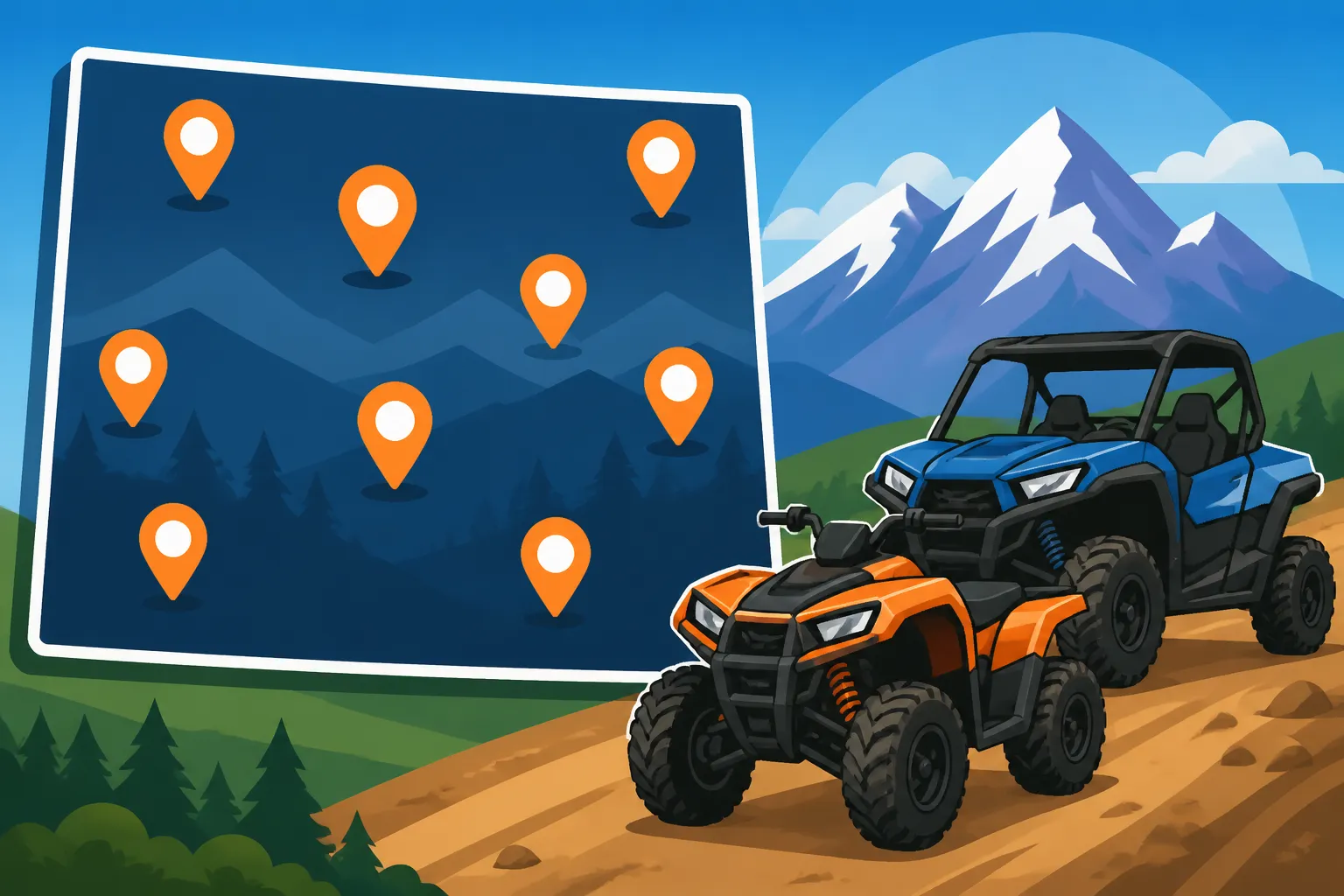
While the main CPW offices are certainly an option, Colorado has made it incredibly easy to register your OHV by partnering with hundreds of authorized vendors across the state. This widespread network means you're rarely far from a place that can handle your registration needs, saving you time and hassle. No more long drives to a specific government building during limited hours.
The Benefit of Local Sporting Goods Stores
Think about your local sporting goods store – the one where you pick up fishing gear, hunting licenses, or camping supplies. Chances are, many of these same establishments are authorized OHV registration vendors. This is incredibly convenient because they often have extended hours compared to typical government offices, and you can usually combine your registration trip with other errands. It’s a one-stop shop for outdoor enthusiasts, making it a truly practical choice for many riders.
Dealerships and Powersports Shops That Can Help
Many powersports dealerships and independent repair shops that sell ATVs and UTVs are also authorized to process registrations. This makes perfect sense, as they're already deeply involved in the OHV community. If you just bought a new machine, the dealership will often handle the initial registration paperwork for you as part of the purchase process, saving you an immediate trip. Even if you bought your machine elsewhere, many dealerships offer this service, and it's a great way to build a relationship with a local shop that can also help with parts and service down the line. They often have all the necessary forms and knowledge to streamline the process.
Types of Vendors You'll Encounter
Colorado’s network of OHV registration vendors is diverse, ranging from large retail chains to small, independent businesses. This variety ensures that no matter where you are in the state, you're likely to find a convenient option. Understanding the different types of vendors can help you choose the one that best suits your needs and location.
Retail Chains and Department Stores
Many larger retail chains with a strong outdoor or sporting goods presence will have a dedicated counter or department that handles licenses and registrations. Think about stores that sell everything from tents to fishing rods – they often have the infrastructure to process these transactions efficiently. These locations are usually well-staffed, have consistent hours, and are familiar with the common questions that arise during registration. You can often get in and out quickly, especially during non-peak hours. It’s a familiar environment for many, and the process is generally straightforward.
Smaller Independent Outdoor Stores
In smaller towns, the local hardware store, bait shop, or even a general store might be your go-to spot for OHV registration. These independent businesses are often pillars of their communities and provide a more personal touch. While they might not have the same volume as larger chains, the staff are usually incredibly knowledgeable about local regulations and can offer a level of customer service that feels more like dealing with a neighbor. The charm of registering your OHV while chatting about local trail conditions or fishing spots is a distinct advantage for many. They might be able to help you out even when you're looking to renew a [Colorado OHV Registration for a Machine Bought in July] that you got mid-season.
Online and Phone Options: When a Vendor Isn't Nearby
While this article focuses on physical vendors, it’s worth noting that if you truly can't get to a physical location, Colorado Parks and Wildlife does offer ways to register your OHV remotely. You can often renew your registration online, which is incredibly convenient if your information hasn't changed. For new registrations or those requiring more hands-on assistance, you might explore options like [Buying a Colorado OHV Registration by Phone]. These alternatives provide flexibility, especially for those living in very rural areas or during busy seasons when getting to a vendor might be difficult. Just be aware that if you register online or by phone, you’ll typically wait a bit for your physical sticker to arrive in the mail, but you can usually ride with proof of purchase.
| Vendor Type | Typical Services Offered | Pros | Cons |
|---|---|---|---|
| CPW Offices | New registrations, renewals, lost sticker replacement, title questions | Official source, most knowledgeable on complex issues | Limited hours, potentially longer wait times, fewer locations |
| Sporting Goods Stores | New registrations, renewals | Convenient hours, often local, familiar environment | May not handle complex title issues, can be busy |
| Powersports Dealerships | New registrations (especially for machines bought there), renewals | Expertise in OHVs, might offer package deals | Focus on sales, may prioritize their own customers |
| Independent Stores | New registrations, renewals, often local knowledge | Personalized service, community focus, unique hours | Limited staff, might have less frequent experience with complex cases |
| Online/Phone (CPW) | Renewals, some new registrations | Extreme convenience, 24/7 access for online | Requires waiting for sticker by mail, no in-person assistance |
What to Bring When Registering at a Vendor
Nobody likes showing up to a registration counter only to be told they’re missing a crucial piece of paper. It’s frustrating and wastes valuable time. To ensure a smooth process when registering your OHV at any authorized vendor in Colorado, it's essential to come prepared with the right documentation. This typically includes proof of ownership, identification, and the necessary funds.
Proof of Ownership: The Core Requirement
This is perhaps the most critical document. Whether you’re registering a brand-new machine or one you’ve owned for years, you need to prove it’s yours. For a new OHV purchased from a dealership, you'll generally have a Manufacturer's Statement of Origin (MSO) or Certificate of Origin (MCO). If you bought a used machine from a private seller, you should have a bill of sale. It's often helpful to have a clearly worded document, and resources like LawDepot can provide templates for an ATV bill of sale that meets common requirements. This helps prevent misunderstandings about the ownership transfer. Remember, the vendor needs to verify that the person registering the OHV is its rightful owner. For more on this, check out [Proof of Ownership for a Colorado OHV].
Your Vehicle's Identification Number VIN
Every OHV has a unique Vehicle Identification Number (VIN), and this number is crucial for registration. It’s how your machine is uniquely identified in the state’s system. Make sure you have the VIN handy – either written down accurately or, even better, a photograph of the VIN plate on your machine. Sometimes, older machines might have a VIN that’s hard to read or located in an obscure spot. Double-check it before you head to the vendor to avoid any delays. The VIN is key to ensuring the correct machine is tied to your registration.
Personal Identification and Payment
You’ll need a valid form of personal identification, such as a driver's license or state ID, to prove who you are. This is standard procedure for any official registration process. Additionally, be prepared with your preferred method of payment for the registration fee. While specific fees can change, vendors typically accept cash, credit cards, or debit cards. It’s always a good idea to call ahead to the specific vendor you plan to visit to confirm their accepted payment methods and inquire about the current [What Colorado OHV Registration Costs] so there are no surprises at the counter. Having these three elements—proof of ownership, VIN, and ID/payment—will make your registration experience quick and hassle-free.
Common Vendor Challenges and How to Overcome Them
Even with the convenience of numerous vendors, sometimes you might run into a snag or a situation that feels less than straightforward. It’s important to anticipate these challenges and know how to navigate them so your registration process remains as smooth as possible.
When a Vendor Seems Unsure
Occasionally, you might encounter a vendor who doesn't process OHV registrations as frequently as others, leading to some hesitation or uncertainty on their part. This is particularly true in smaller, independent shops. If the person at the counter seems unsure about a specific detail, such as whether your particular bill of sale is sufficient or where to input a certain piece of information, be patient. You can politely offer to show them any reference materials you might have, or suggest they contact their supervisor or the CPW support line for clarification. Sometimes, having a printout from the CPW website detailing the requirements can also be helpful. It’s about working together to get the job done.
Dealing with Complex Ownership Scenarios
Sometimes, the ownership situation isn't a simple new purchase or a clear bill of sale. Perhaps you inherited the OHV, it’s an older machine with no clear title, or the previous owner is difficult to track down for a signature. These situations can be tricky at a vendor location. While many vendors are equipped for standard transactions, they might not be able to handle more complex scenarios that require specific legal documents or a deeper dive into titling laws. In these cases, it might be necessary to contact CPW directly, or even the Department of Motor Vehicles (DMV) for titling issues, as they are better equipped for nuanced situations. Using a service like LawDepot to draft specific legal documents, such as an affidavit of ownership if you need to affirm your rights to a machine, could also be a proactive step before visiting a vendor.
Out-of-State Machines and New Colorado Residents
If you’ve recently moved to Colorado with an OHV from another state, or you’re bringing in a machine that has never been registered in Colorado before, the process can sometimes have additional steps. While many vendors can handle the standard [Registering an Out-of-State Machine in Colorado], there might be questions about use tax or specific documentation from your previous state. Ensure you have all available paperwork from your machine's history, including previous registrations or titles. Be prepared for the vendor to ask about the machine's origin and when it entered Colorado, as this can affect tax implications. Bringing an out-of-state machine is usually straightforward, but having all your ducks in a row will prevent any hiccups.
Making Your Registration Process Smooth and Easy
Nobody wants to spend more time than necessary on administrative tasks, especially when the trails are calling. By taking a few proactive steps, you can ensure your OHV registration at any vendor is as quick and painless as possible, freeing you up to plan your next adventure.
Call Ahead to Confirm Details
This is a simple but incredibly effective tip. Before you head out, give your chosen vendor a quick call. Confirm their operating hours, especially if you’re going during a holiday weekend or a typically busy time. Ask about their current capacity to process OHV registrations – sometimes a store might have a staff member on break or a system issue. You can also re-confirm the specific documents they require and their accepted payment methods. A five-minute phone call can save you a much longer, more frustrating trip. It's also a good way to double-check if they have any specific advice for, say, [Colorado OHV Registration for Machines Kept on Private Land] if you fall into that category.
Prepare All Your Paperwork in Advance
The better organized you are, the faster the process will go. Gather all your necessary documents – your proof of ownership (bill of sale, MSO), your personal ID, and write down your VIN clearly. If you have an existing registration to renew, have that ready too. Consider making a photocopy of everything, just in case. Having all your papers neatly organized in a folder means you won't be fumbling at the counter, allowing the vendor to process your request efficiently. For those needing a new bill of sale for a private sale, tools like LawDepot can help you generate a professional document to present.
Be Patient and Polite
Even with all your preparations, sometimes things just take a little longer than expected. The system might be slow, the vendor might be training new staff, or there might be an unexpected question. Remember that the vendor is there to help you, and maintaining a polite and patient attitude goes a long way. A positive interaction benefits everyone and ensures you get your registration handled without unnecessary stress. Once that green sticker is in your hand, you're all set to apply it, which, believe it or not, has its own rules about [Where the Colorado OHV Sticker Goes]!
Disclaimer
This article is for general informational purposes only and does not constitute professional advice. Laws, prices and regulations vary by location and change over time. Consult a qualified professional for guidance on your specific situation.