Hauling Two Machines Over a Mountain Pass
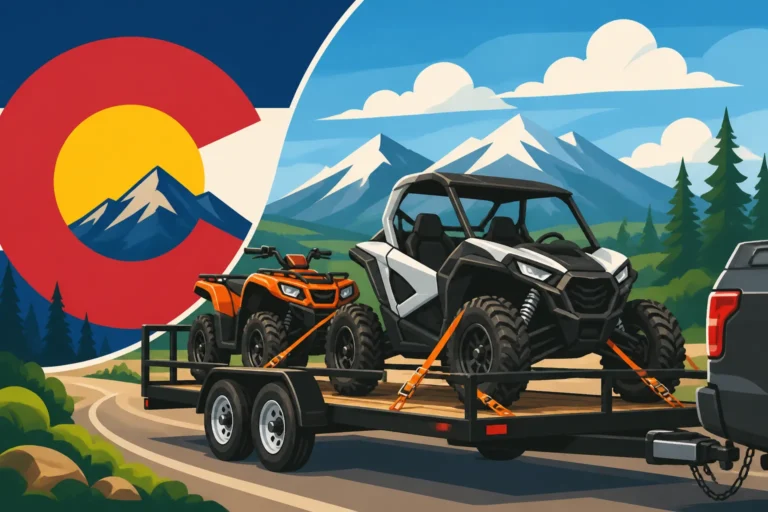
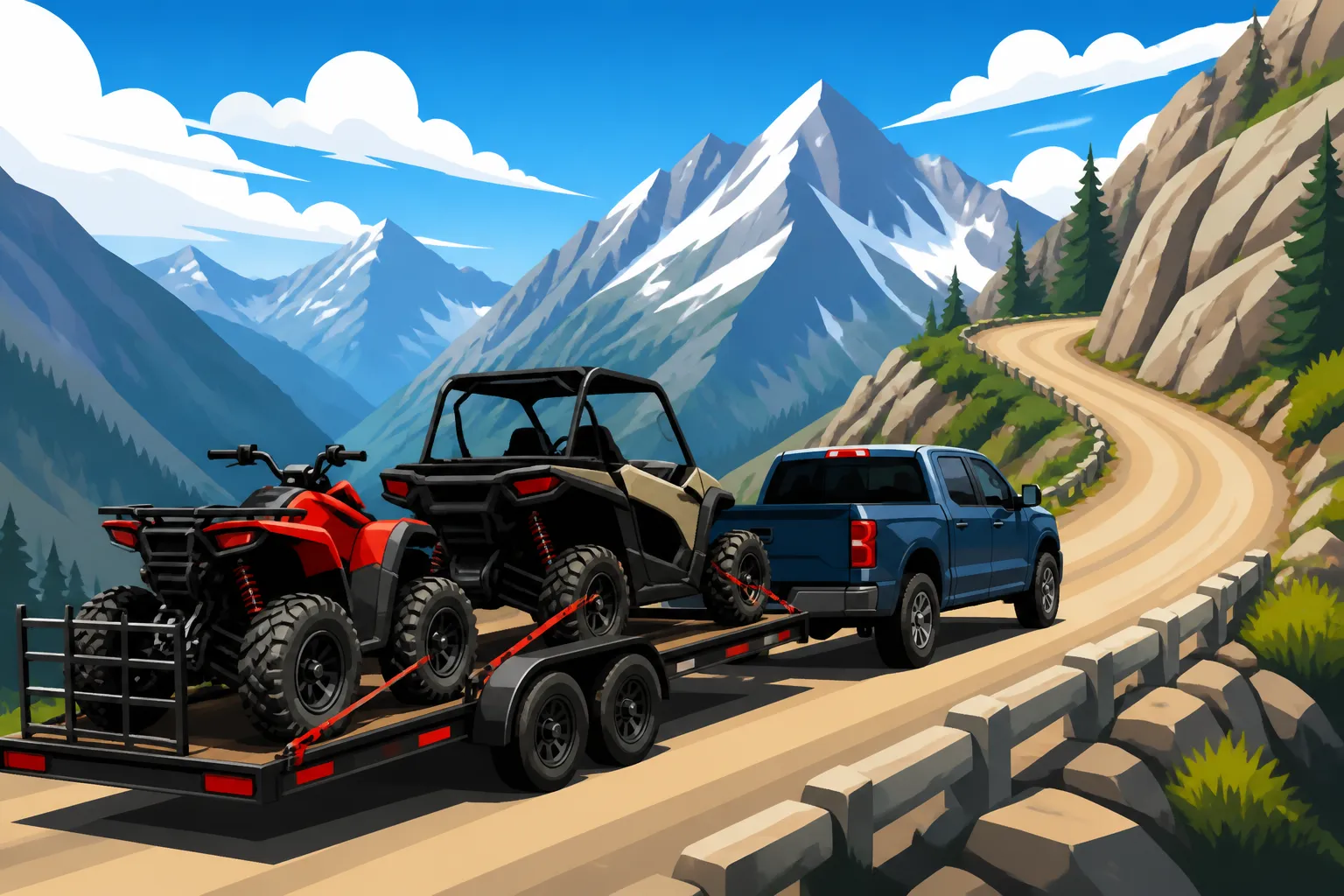
There’s nothing quite like the excitement of loading up your ATVs or UTVs and hitting the road for a Colorado mountain adventure. But when you’re talking about hauling two machines over those notorious high mountain passes, the sheer logistics can feel a bit daunting. Between calculating weights, securing everything just right, and preparing your tow rig for grueling climbs and descents, it’s easy to feel overwhelmed. This guide is here to strip away that stress, offering a comprehensive walkthrough on safely and confidently hauling two off-highway vehicles to your favorite Colorado trailheads, ensuring your journey is as smooth as your eventual ride.
Planning Your Double-Machine Haul for Colorado's High Country
Before you even think about backing up to the trailer, a solid plan is your best friend when preparing to haul two ATVs or UTVs over Colorado’s mountain passes. These aren’t flat, easy hauls across the plains; you’ll encounter significant elevation changes, winding roads, and often, unpredictable weather. Proper planning ensures you arrive safely and ready to ride, rather than limping to the trailhead with a breakdown or, worse, an accident.
Assessing Your Tow Vehicle and Trailer's Capacity
This is where the rubber literally meets the road. Many folks underestimate the strain that two modern side-by-sides or even two larger ATVs can put on a tow vehicle, especially at altitude. Start by checking the Gross Vehicle Weight Rating (GVWR) of your tow vehicle, its Gross Combined Weight Rating (GCWR), and its maximum towing capacity. Then, look at your trailer’s Gross Axle Weight Rating (GAWR) and its overall weight capacity. Add up the dry weight of your trailer, the weight of both your machines, all your gear (fuel, spare tires, tools, coolers), and everyone in your truck. If that total weight approaches or exceeds your vehicle’s or trailer’s limits, you need to reassess. Trying to push past these limits is not only dangerous but can severely damage your truck’s drivetrain, brakes, and suspension, and could lead to fines or accidents. Remember, the air is thinner at elevation, which can reduce your engine's power, making that heavy load feel even heavier on a steep grade.
It's also essential to consider the type of trailer. An open utility trailer might be lighter, but offers less protection from road grime and flying debris, which can be an issue on gravel mountain roads. An enclosed trailer, while heavier and requiring a more capable tow vehicle, offers security and protection from the elements, which can be a huge bonus if you encounter a sudden hail storm or heavy rain near the Continental Divide. Don't forget to review [Trailer Registration for Hauling ATVs in Colorado] and [Do You Need a Trailer Title in Colorado?] to make sure your trailer is compliant before you ever hit the road.
Pre-Trip Inspection and Maintenance for High-Altitude Towing
A pre-trip inspection isn't just for commercial truckers; it's absolutely critical for anyone hauling heavy loads into the mountains. Pay special attention to your tow vehicle's brakes, checking for pad wear and fluid levels. The transmission fluid should be at the correct level and look clean – mountain passes are notoriously hard on transmissions. Your tires, both on the truck and the trailer, should be properly inflated (check cold pressures) and free from any cracks or bulges. Don't overlook the trailer lights and connections; losing brake lights or turn signals on a winding mountain road can be incredibly dangerous.
It's also a good idea to ensure your OHVs themselves are in good working order. A breakdown on the trail is one thing, but having issues with one of your machines right as you're offloading can put a serious damper on your trip. Think about having a [Pre-Purchase Inspection at Altitude] if you’ve recently acquired a used machine, as higher elevations can expose issues that aren't apparent at sea level. Consider getting an oil change and checking all fluid levels on your tow vehicle before a big trip. Ensuring all your trailer’s lug nuts are torqued correctly is a small but vital detail that can prevent a catastrophic wheel-off incident.
Route Planning with Double Loads
Planning your route with two machines in tow involves more than just plugging a destination into GPS. Consider the steepest grades you'll encounter and try to avoid routes with excessively sharp turns or very narrow sections if possible. Some mountain passes, while scenic, are notoriously challenging for large vehicles or heavy trailers. For instance, passes like Engineer or Cinnamon are strictly for the OHVs themselves, not for tow rigs! Research road conditions, especially if you're traveling during shoulder seasons when snow or ice can still be an issue at higher elevations. Check for any weight or length restrictions on certain roads or tunnels.
Many popular trailheads have dedicated staging areas, but some might be tighter than others, especially when maneuvering a long trailer. Knowing where you can safely pull over, fuel up, and even turn around can save you a lot of stress. Planning your fuel stops strategically is also important, as finding gas stations with easy trailer access in some mountain towns can be a challenge. Always account for slower travel times when hauling; rushing can lead to mistakes and put undue stress on your equipment.
Loading and Securing Two OHVs for Mountain Travel
The way you load and secure your machines is paramount to a safe journey. A poorly loaded trailer can sway dangerously, put excessive strain on your tow vehicle, and even lead to a loss of control, especially on the dynamic roads of Colorado’s high country. Don't ever just "wing it" when it comes to strapping down thousands of pounds of machines.
Optimizing Weight Distribution for Stability
The golden rule of trailer towing is to have proper tongue weight – typically 10-15% of the total trailer weight should be resting on the hitch ball. With two machines, this becomes even more critical. You want to load heavier machines or the front of a side-by-side towards the front of the trailer, over or slightly ahead of the trailer axles. Too much weight at the rear (negative tongue weight) will cause the trailer to sway violently, a terrifying experience that can quickly lead to an accident. Too much tongue weight can overload your tow vehicle's rear axle and potentially lift the front wheels, reducing steering control.
If you have a side-by-side and an ATV, consider how their weights balance each other. Often, placing the UTV forward and the ATV behind it, or staggering them slightly, can achieve optimal balance. If you're using a ramp gate, make sure it's rated for the combined weight of both machines and yourself during loading. Some trailers have specific load points or tie-down locations designed for stability; always consult your trailer's manual if you have one. Practice loading your machines a few times in a safe, flat area before your trip to get a feel for the balance.
The Art of Securing Multiple Machines
Securing one machine is straightforward, but two adds complexity. Each machine needs to be tied down independently, securely, and in multiple directions. Think of it like this: if one strap fails, the machine should still be held by others. Use at least four tie-down points per machine – one at each corner. For UTVs, consider strapping down through the wheels, which allows the machine's suspension to still work without loosening the straps. For ATVs, you can secure them by the frame or suspension components, making sure not to compress the suspension entirely.
Avoid wrapping straps around axles or driveshafts that could be damaged or interfere with moving parts. Use soft ties or axle straps to protect painted or delicate finishes on your OHVs. Remember that Colorado’s mountain roads involve constant bumps, turns, and elevation changes that will constantly test your tie-downs. A loose machine on a mountain pass is a disaster waiting to happen. Before every leg of your journey, especially after a fuel stop, double-check all your straps for tightness.
Essential Tie-Down Gear and Techniques
Don't skimp on tie-down gear. Cheap straps can stretch, fray, or break under the stress of heavy loads and mountain driving. Invest in heavy-duty ratchet straps with a high working load limit (WLL), not just a break strength. Four good 10,000-pound break-strength straps might have a WLL of 3,333 pounds each, which is what you should consider for real-world securing. You'll likely need at least eight robust ratchet straps for two machines. Also, consider specialized wheel nets for side-by-sides, which are often more effective at securing them than traditional hooks.
Here's a technique tip: once your machines are in place, try to pull each strap tight in opposite directions (e.g., front-left strap pulling slightly forward and left, rear-right strap pulling slightly back and right). This creates tension that holds the machine firmly against the trailer deck, preventing any forward, backward, or sideways movement. Ensure your straps don't rub against sharp edges that could cut them during transit. A good set of gloves will save your hands when ratcheting everything down tightly. Finally, before you drive off, take a walk around the trailer, shaking each machine to ensure it feels solid and doesn't rock at all.
Driving Techniques for Hauling Through Colorado Passes
Hauling two heavy machines over a mountain pass is a different beast than everyday highway driving. It demands patience, awareness, and specific driving techniques to manage the added weight and the unique challenges of high-country roads.
Conquering Ascents and Mastering Descents with Engine Braking
When climbing a steep pass with a heavy load, don't be afraid to downshift early and let your engine rev a bit higher. This keeps your engine in its power band, preventing it from lugging and overheating. Maintaining momentum on the approach to a climb can help, but never exceed safe speeds. If you start to slow down significantly, downshift again before your RPMs drop too low. Watch your engine temperature gauge closely. If it starts to climb into the red, it’s a sign to pull over safely and let things cool down.
Descents are arguably more critical than ascents. The biggest mistake drivers make is riding their brakes, which quickly leads to brake fade – where your brakes overheat and lose their effectiveness, or even fail entirely. This is incredibly dangerous when you have thousands of pounds pushing you down a steep grade. Instead, rely heavily on [Engine Braking on a Steep Pass]. Shift your transmission into a lower gear (often 2nd or 3rd gear in an automatic, or a similar low gear in a manual). This uses the engine's compression to slow the vehicle, saving your service brakes for when you truly need them. You should only be touching your brake pedal occasionally to reduce speed, not to maintain it. If you find yourself having to brake constantly, you're in too high a gear.
Navigating Sharp Curves and Narrow Mountain Roads
Colorado's mountain passes are famous for their hairpin turns and sections where the road narrows considerably. With a long trailer, these areas require extra caution. Slow down significantly before entering a curve. Your trailer will track inside your tow vehicle, so you might need to swing a bit wider on turns to prevent the trailer from clipping the shoulder or even the opposite lane. Always be aware of your trailer's length and width, and avoid cutting corners too sharply.
On narrow roads, especially those without a shoulder or with sheer drop-offs, maintain a comfortable distance from the edge and be extra vigilant for oncoming traffic, which might include large RVs or commercial vehicles. If you encounter a situation where the road is too narrow for both of you, the vehicle going downhill is generally expected to yield, but communication (with a wave or flash of lights) is key. Take your time, stay calm, and don't let impatient drivers pressure you into unsafe maneuvers. Sometimes pulling over at a designated pull-out to let faster traffic pass is the safest option.
Weather Preparedness and Altitude Considerations
Mountain weather is notoriously fickle. You can start a trip in sunny Denver and encounter a whiteout snowstorm at 12,000 feet just hours later, even in summer. Always check the weather forecast for the specific passes you plan to traverse, not just the regional forecast. Pack appropriate gear in your tow vehicle for unexpected cold or rain, even if your destination is warm. [What to Carry Over a High Pass] covers many essentials, from extra blankets to emergency food and water.
Altitude also impacts your tow vehicle. As mentioned, thinner air means your engine (especially naturally aspirated ones) will produce less power, making climbs more taxing and increasing the chance of overheating. Your tires may also experience pressure changes due to temperature fluctuations. Your own body will feel the effects of altitude as well; stay hydrated and take breaks if you start to feel lightheaded or fatigued. The effects of altitude can be profound on vehicles and humans alike, so treat it with respect.
Common Challenges and Troubleshooting on the Road
Even with meticulous planning, things can go wrong on the road. Knowing how to anticipate and address common challenges will help you get out of a bind and safely to your riding destination.
Dealing with Overheating and Brake Fade
Overheating is a real concern when hauling heavy loads up long mountain grades. If your temperature gauge starts to climb, immediately turn off your air conditioning and crank the heater to full blast. This draws heat away from the engine and into the cabin. If the gauge continues to rise, find a safe place to pull over immediately. Don't shut off the engine right away; let it idle for a few minutes to allow coolant to circulate and dissipate heat. Check your coolant level, but never open a hot radiator cap.
Brake fade, as discussed, is incredibly dangerous. If you feel your brakes getting soft, spongy, or less effective, pull over as soon as it's safe. Let your brakes cool down completely before continuing. This could take a significant amount of time, but it’s far better than losing braking ability on a steep descent. When you resume, use engine braking more aggressively and ensure you're in a lower gear. It’s a good idea to perform a brake check before descending any major pass, ensuring they feel firm and responsive.
Emergency Preparedness and Roadside Repairs
An emergency kit is non-negotiable. Beyond the basics like a first-aid kit and flashlight, consider adding items specific to towing: a tire repair kit, a portable air compressor, jumper cables, extra fluids (oil, coolant), basic tools (wrenches, screwdrivers), and perhaps a spare fan belt. A robust jack capable of lifting your heavy tow vehicle and trailer, along with appropriate jack stands, is crucial for tire changes. Knowing how to change a tire on your trailer is also a valuable skill.
Communication is key in remote mountain areas where cell service can be spotty or nonexistent. A satellite messenger device can literally be a lifesaver, allowing you to send messages or an SOS call even without cell signal. Inform someone of your route and estimated arrival time, and check in when you have service. Sometimes, a simple issue like a loose battery cable can be a trip-stopper if you don't have the tools or know-how to fix it yourself.
Paperwork and Local Regulations to Keep Handy
Beyond the practical aspects of hauling, it's vital to have all your legal paperwork in order. This includes your driver’s license, vehicle registration, proof of insurance for your tow rig, and importantly, for both of your OHVs. While Colorado doesn't title ATVs and UTVs through the DMV like cars, you do need proof of ownership. If you’ve recently bought one of your machines, keep the bill of sale handy. You might consider using a reputable service like LawDepot to generate a solid, legally sound bill of sale if you're buying or selling a used ATV or UTV, which gives you confidence in your ownership documents. Make sure you also have your current Colorado OHV registration sticker and card for each machine. [Colorado Ranger Checks at a Trailhead] are common, and they will want to see proof that your machines are registered.
If you’re a visitor, you'll need to understand [Colorado OHV Rules for First-Time Visitors] and ensure you have any necessary non-resident permits. Always keep your registration and any permits easily accessible, but not necessarily on the machine while driving the roads, as it can be lost or damaged. A good practice is to keep copies in a waterproof bag in your tow vehicle. If one of your machines is a brand-new purchase, remember to check into [Colorado Sales Tax on an ATV Purchase] to ensure you're squared away there, as officials might occasionally ask for proof of purchase to ensure taxes have been paid.
| Category | Item | Why It's Crucial for Double Hauls in Colorado Mountains |
|---|---|---|
| Tow Vehicle Prep | Heavy-duty hitch & receiver | Essential for safely handling two machines; ensure it matches your truck's capacity. |
| Transmission cooler | Reduces heat buildup on long climbs, preserving transmission life. | |
| Brake controller | Required for trailers with electric brakes, vital for safe braking on descents. | |
| Proper tire inflation (cold) | Prevents blowouts and improves stability, especially with varying temperatures at altitude. | |
| Trailer & OHV Prep | High-WLL ratchet straps (8 minimum) | Non-negotiable for securely fastening two heavy machines against mountain forces. |
| Wheel nets (for UTVs) | Superior method for securing UTVs, allowing suspension to work without loosening straps. | |
| Correct tongue weight | Prevents dangerous trailer sway, especially on winding mountain roads. | |
| OHV fluid levels & tire pressure | Ensures both machines are trail-ready and less likely to experience issues right off the trailer. | |
| Safety & Emergency | Engine braking knowledge | Absolutely critical for descending steep passes without brake fade. |
| Satellite messenger / PLB | For communication in areas with no cell service, common in remote Colorado mountains. | |
| Comprehensive roadside emergency kit | Addresses common breakdowns (flats, minor engine issues) far from services. | |
| Extra fuel (for OHVs) | Many trailheads are far from gas stations; avoids running dry. | |
| Documentation | OHV registrations & permits | Required by Colorado Parks & Wildlife; rangers often check at trailheads. |
| Proof of ownership (e.g., LawDepot bill of sale) | Especially important if a machine is new, borrowed, or you anticipate a [Checking a Used Machine Against Theft Records] inquiry. | |
| Driver's license & vehicle insurance | Standard requirements for operating any vehicle; ensure trailer is covered. |
Disclaimer
This article is for general informational purposes only and does not constitute professional advice. Laws, prices and regulations vary by location and change over time. Consult a qualified professional for guidance on your specific situation.